

Roald Dahl's "Matilda the Musical"
Standing up for what's right, she's met with miraculous results. She takes charge of her own destiny.
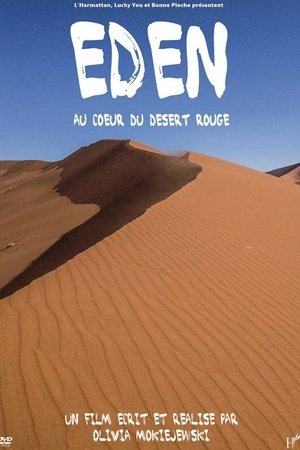


Namib, an incredible spot is home to the highest sand dunes on Earth, along with 3500 species of plants of incredible diversity, all adapted to the arid climate. Elephants, antelopes, lions, giraffes and rhinoceros roam freely in the Namib with neither fence nor enclosure, as if at the dawn of time. Management of the protected areas has been entrusted to the local people and in particular to the Himba, the dominant tribe of the desert. Underground there are hidden treasures, diamonds, uranium and iron. From the beginning of the 20th century the Namib has attracted miners from all over the world, with an increasing appetite. Today, new mining projects threaten the ecosystem of the region. Olivia crosses the desert from the South to North, sharing the difficult everyday lives of the people of the desert. Exploring this rich but fragile garden of Eden, she attempts to understand why the survival of the desert is so important to the people and animals that live there.
Standing up for what's right, she's met with miraculous results. She takes charge of her own destiny.
Bollywood's thrilling fusion of what the blind man saw and the boy who cried wolf.
Rather than focusing on the bleak, cynical aspects of life post-pandemic, the focus is optimistic and hopeful.
By undermining the appeal and credibility of black characters, the show compromises the very idea of diversity and representation it sets to promote.
Over the last several years, I have had the privilege of being one of the critics having the opportunity to watch and review several films from writer/director/producer Marcellus Cox, whose efforts are never anything less but grounded, relevant, and steeped in unflinching glimpses illustrating the gripping, inspired, and ever-vacillating realms that make up the human condition.
Richard speaks with Dia Frampton about some of her experiences with acting and music.