“Forbidden Fruits” (2026)
Not every film can make a shopping mall feel both magical and menacing, but Forbidden Fruits challenges that.
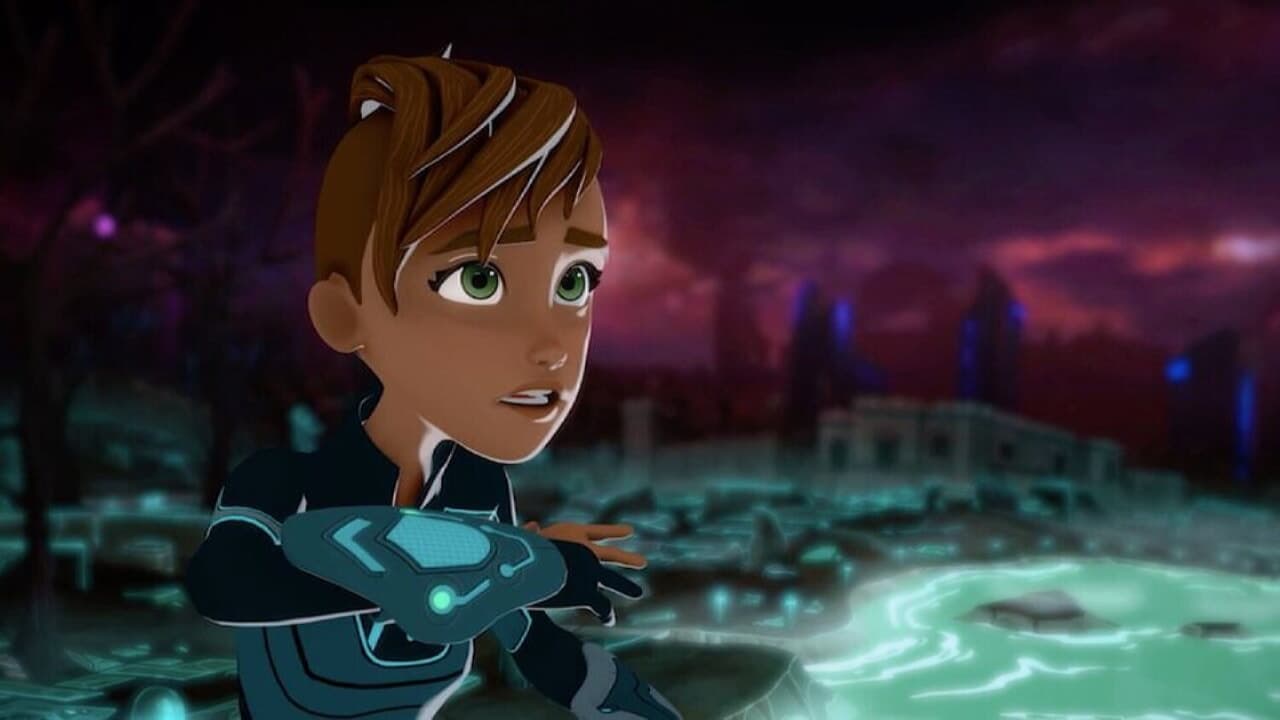
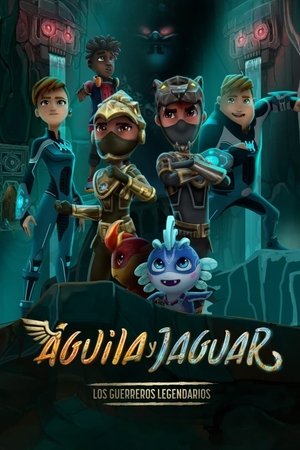


In a post-apocalyptic future in which water has almost disappeared, two young survivors travel back in time to find the mythical power of the prehispanic God of water, and so be able to create the vital resource. However, when they arrive at the present they discover that the power is in the hands of an unscrupulous businessman who had always wanted to monopolize water and who knows everything about prehispanic myths. The Aztaya brotherhood, a group of heroes, successors from the legendary Aztec and Mayan warriors, will begin the adventure to prevent the villain's plan and help the travelers to change their sad future, teaming up to fight the powerful enemy and his dark allies. To win, the heroes will have to awake the greatest warriors of Aztec and Mayan mythology: The Eagle and the Jaguar.

Mike R. Ortiz
Director


José Eduardo Derbez
Ik (Voice)

Romina Marroquín
Xanat (Voice)

Franco Escamilla
Yalo (Voice)
Roberto Palazuelos
Axio (Voice)

Eduardo España
Dr. Exper (Voice)

Edgar Vivar
Abuelito Quizán (Voice)
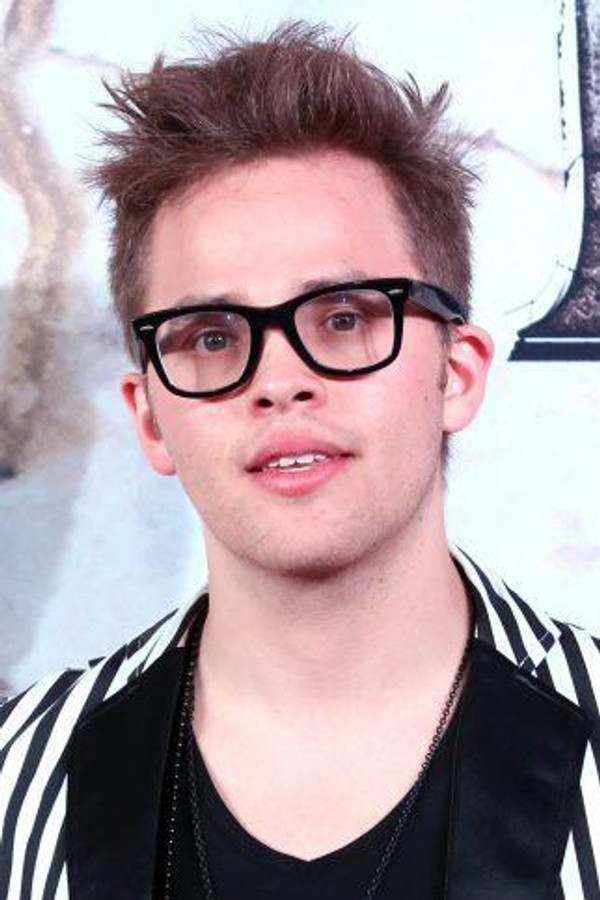
Yurem Rojas
Cobin (Voice)
Daniela Basso
Yuli (Voice)

Raúl Aldana
Acui (Voice)

Juan Carlos Tinoco
Maestro Aztaya (Voice)
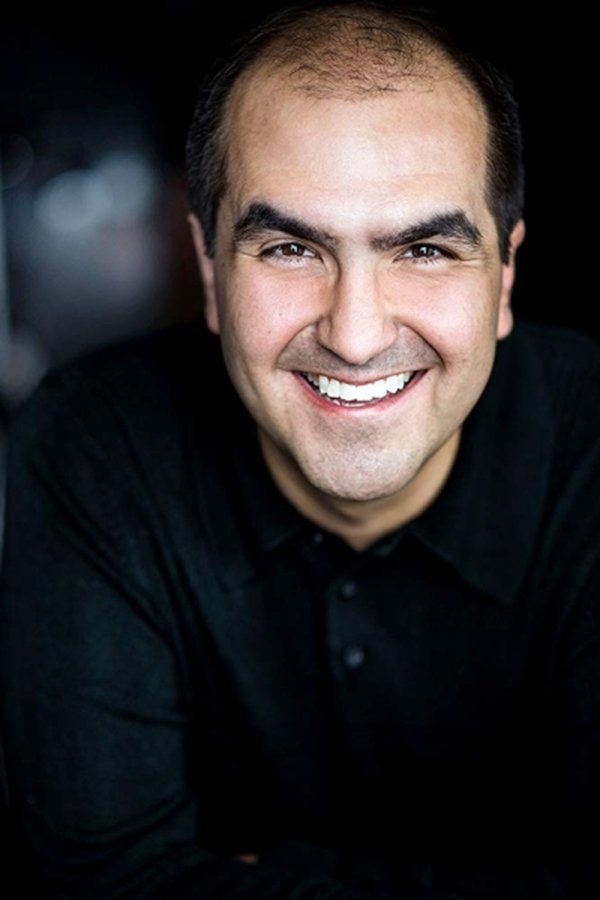
Javier Lacroix
Don Controlio (Voice)
Not every film can make a shopping mall feel both magical and menacing, but Forbidden Fruits challenges that.
Magnolia focuses on how one’s childhood and trauma relate to their confidence and self.
What makes the lighting in Casablanca even more impressive is how it reflects the emotional states of the characters without needing explicit dialogue.
Through three intricately crafted seasons of television, "Hannibal" has managed to make itself into the best incarnation of the self-titled work.
Films can alleviate alienation by presenting realities where the viewers feelings are shared by onscreen characters. The film 'Shrek' can be interpreted as a transgender story.
How closely should film adaptations follow their source material? Let's take a deep dive into "Norma Rae", and find out.