



“East of Eden”: Women Can Be Monsters Too, and It’s Time We Acknowledge It
Amid the ongoing debate surrounding Christa Pike’s death sentence, watching East of Eden, which shows that women can be monstrous too, is definitely refreshing.

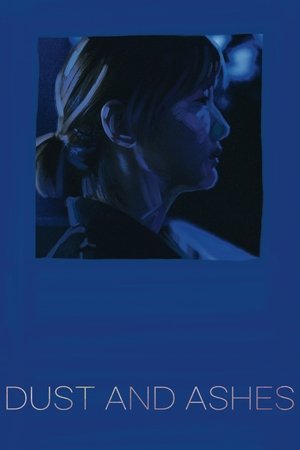


Hae-su works at a factory on the outskirts of Seoul. Returning home from work, she makes a phone call that goes to voicemail; nearing her residence, another phone call comes in, but she doesn't pick up. Inside the house is her mother's body—she died from mysterious circumstances. A knock on the door goes unanswered, but when a plainclothes police officer arrives, Hae-su lets him in. An exchange of documents, uncertain glances. With Hae-su and her tempermental brother the only attendants at her mother's funeral, there are more questions than answers.
Amid the ongoing debate surrounding Christa Pike’s death sentence, watching East of Eden, which shows that women can be monstrous too, is definitely refreshing.
Facing the world with our fair share of uncertainties and/or apprehensions, many of which, sadly, may be well-founded, is nothing to sneeze at. Influenced and buffeted by the constant barrage of social media, fake news, and general upheaval present in our contemporary reality, what IS real and what's not becomes a blur.
Effortlessly beautiful and surprisingly tragic.
It doesn’t offer an absolute answer for the dialectical ethical questions that emerged in search of justice but portrays the characters as living people beyond the identities of victims.
At first glance, Black as Night is a strange title choice for a film about vampirism in post-Katrina New Orleans. However, the title alludes to the world's anti-black and colorist messages.
The Last Duel is about rape. Although the film delves into rape culture in medieval Europe, there are many striking similarities to modern rape culture.