


“Other Mommy” and Deuteronomy
This film’s ambition is betrayed by its lack of substance.

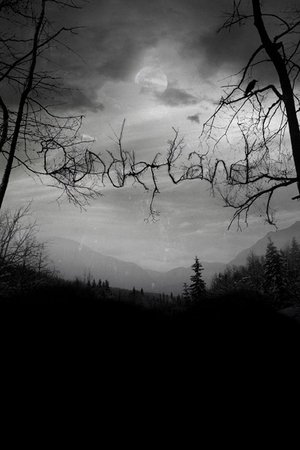


Dunderland Valley, 1695. A young maiden is accused of witchcraft. Her persecutors end her life in the bottomless pits of the Djupkista Waters. In the years to follow, numerous horrendous events and tragedies strike the valley. In 2011, the young, aspiring theater director Laura arrives in the valley with an ensemble of Norway’s premier actors. They are soon made aware of the valley's dark and bloody history. Then the star actor disappears.
This film’s ambition is betrayed by its lack of substance.
Set against the backdrop of the Jim Crow era, the film offers layered representation.
Films staring black transgender actresses/actors are few and far between, it’s refreshing to see a demographic represented in film that hardly gets any attention. This is especially important as the Black trans community has been shown in studies to face the highest level of discrimination amongst general trans and non-binary groups. That is why it’s so crucial that we amplify their voices through any way we can, storytelling being a great medium to do so.
The most impressive aspect of this film is the honest and natural performances given by the on-screen duo.
Why is 'The Green Knight' so white? People of color are so removed from the origins of 13th century art. We’re looking toward the future, and part of that should be updating aspects of our stories to mirror those evolutions.
Despite its aggressiveness, the Beef anthology series is about romantic love in all its forms. The final scene of the first season led us to believe that, despite the conflict, drama, and toxic traits, the main characters would end up together and, most likely, live happily ever after. The whole “beef” plot was the prelude to their love story.