

'The Invisible Man' (2020)
'The Invisible Man' triumphs in tension even as it drops the ball on genuine surprise for the audience.



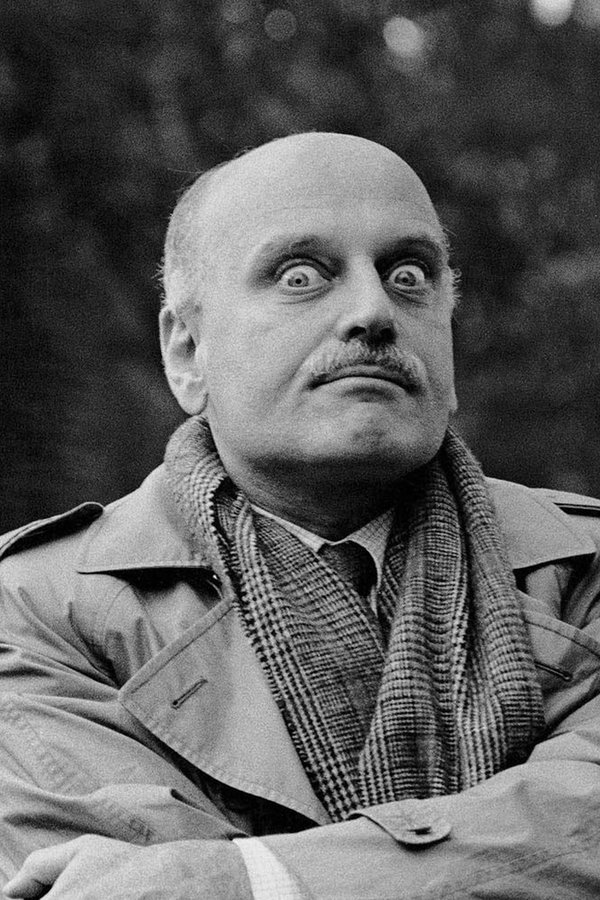
Navigating the triple border that separates fiction, documentary and essay, in Dueto, writer and filmmaker Edgardo Cozarinsky and actor Rafael Ferro expose, in a confessional manner, the bond they have shared for many years, not only recalling but also retelling a handful of common stories. Some of them have to do with the origin of their relationship, others with its extremes, from the most tense to the most playful. However, all of them converge in a common denominator that keeps them together despite everything. Dueto is the story of two men who, without any shame, allow their friendship to affirm, with conviction, its real name—love. One that is sometimes tender and light, other times possessive and rough, but always ready for a generous indulgence that doesn’t need that of the flesh. The two of them turn Dueto into an oath made of film, in order to honor the pact of that powerful shared feeling.
'The Invisible Man' triumphs in tension even as it drops the ball on genuine surprise for the audience.
Documented human suffering is never easy to view or read about and is understandably triggering for many people, but it can be educational, and education is a key to change. An overwhelming amount queer people worldwide (and in my own country) have it far worse than I could imagine, and documentaries such as Welcome to Chechnya bring issues to light that certain groups of people would never see.
The “gay best friend”, an age-old trope, has been done in countless films and television series. Ranging from one-note (Sex and the City's Stanford and Mario) to nuanced (Unbreakable Kimmy Schmidt's Tituss), the gay best friend exists to support and advise the main protagonist, with their conflicts swept to the side.
Miss You, Love You brings together two people who were meant to find each other at that moment in their lives.
Neo Sora left a realistic and yet hopeful notion for the near future and the now.
Alfred Hitchcock’s 1960 film "Pyscho" is an American film classic that still resonates today.