
Dead Poets Society Steals a Queer Story
Dead Poets Society relies on patriarchal tropes such as overbearing fathers, contrived brotherhood, and faux-individuality in order to portray its straight white male characters as oppressed.
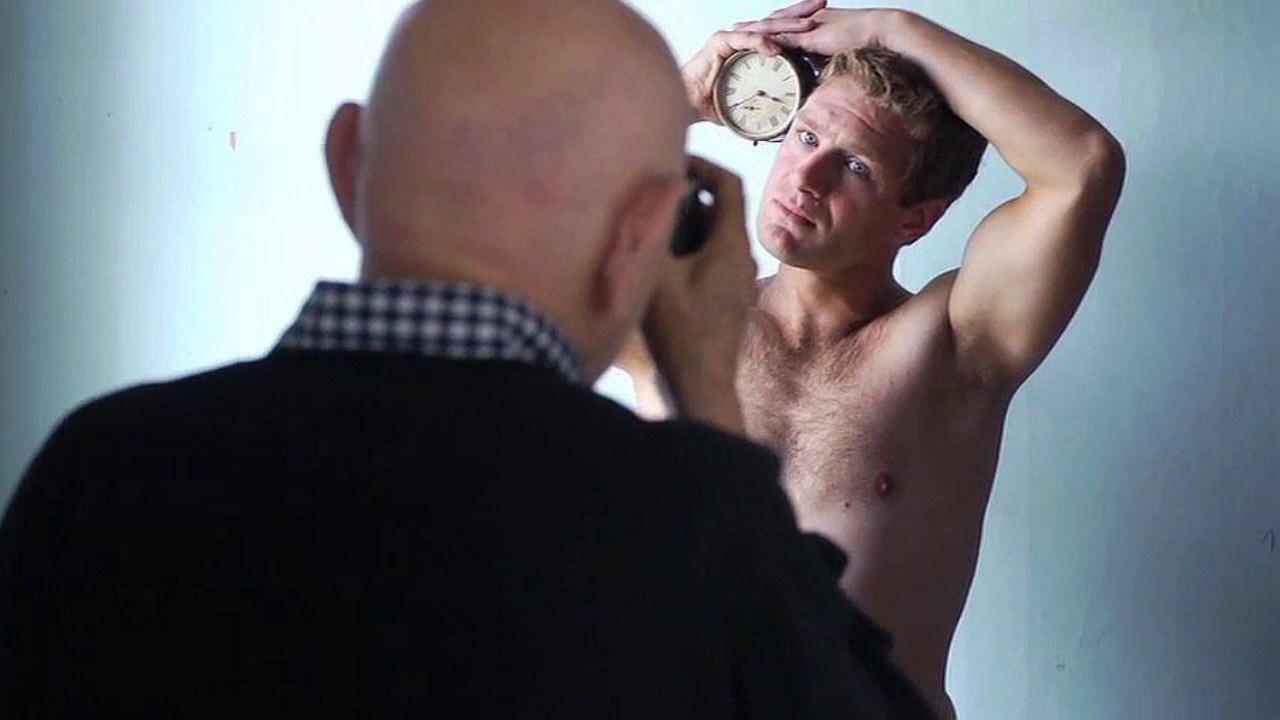
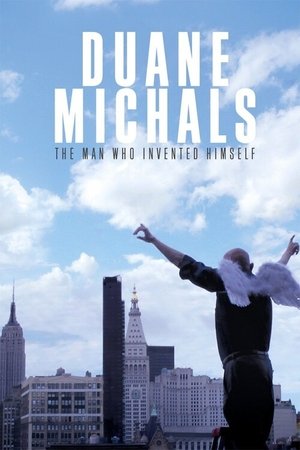


Portrait of an artist who has marked the history of contemporary photography with his images in sequences where gravity and humor and even writing are mixed. Through the emblematic themes of his work, such as love, desire, death or immortality, this film proposes to revisit the places that have marked him: Pittsburgh, the flagship city of the steel industry, the city of his childhood and his first discoveries; New York, where he has been living for many years with his companion Frédéric, a city that symbolizes encounters and desire; and finally Vermont, for the nature, the seasons and the disused hotel where he works. These places bring out the artist's fantasy, humor and emotion. Duane Michals is a young man of 80 years, with a great freedom of spirit and vitality, his enthusiasm is contagious and this film is a reflection of it.
Dead Poets Society relies on patriarchal tropes such as overbearing fathers, contrived brotherhood, and faux-individuality in order to portray its straight white male characters as oppressed.
At first glance, Black as Night is a strange title choice for a film about vampirism in post-Katrina New Orleans. However, the title alludes to the world's anti-black and colorist messages.
What starts off as a success story for a single mother living below the poverty line, slowly begins to weave itself into a tangled web of greed, guilt, and destruction.
Personalities clash and tempers fume in a family-run Chicago restaurant
The sequel following The Son of Bigfoot explores Adam's conflict of discovering his true identity as he tries to save a wildlife preserve.
It doesn’t offer an absolute answer for the dialectical ethical questions that emerged in search of justice but portrays the characters as living people beyond the identities of victims.