


Writing Great Villains: Why They Shouldn't Be Sympathetic
Writing great villains is about striking a balance between charming and evil, so we love them but also love to see them lose.
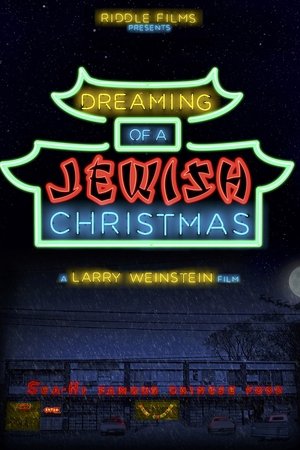


An offbeat, irreverent musical documentary that tells the story of a group of Jewish songwriters, including Irving Berlin, Mel Tormé, Jay Livingston, Ray Evans, Gloria Shayne Baker and Johnny Marks, who wrote the soundtrack to Christianity’s most musical holiday. It’s an amazing tale of immigrant outsiders who became irreplaceable players in pop culture’s mainstream – a generation of songwriters who found in Christmas the perfect holiday in which to imagine a better world, and for at least one day a year, make us believe.
Writing great villains is about striking a balance between charming and evil, so we love them but also love to see them lose.
Taika Waititi writes, directs and co-stars in 'Boy', set in 1984 New Zealand. The film does just what Waititi dreamed of — it gave a great coming-of-age story to Māori people without making a story of the Māori people as an exotic other.
This holiday movie serves as the prequel to the TV series The Really Loud House.
The sequel to the 2021 remake of the same name continues from where we last left off in this spooky adventure.
White audiences saw Peola’s mixed-race passing as a Black woman’s struggle to be white. Black audiences saw it as the rebellion of a Black woman trying to gain privileges only given to white people.
The differences in these films could not be more blatant, and yet Gus Van Sant has found a way to portray the same messages and use the same techniques in each.