Fantasy Elements in 'The School for Good And Evil'
An enchanted school for young heroes and villains brings the battle between good and evil in this fantasy movie.
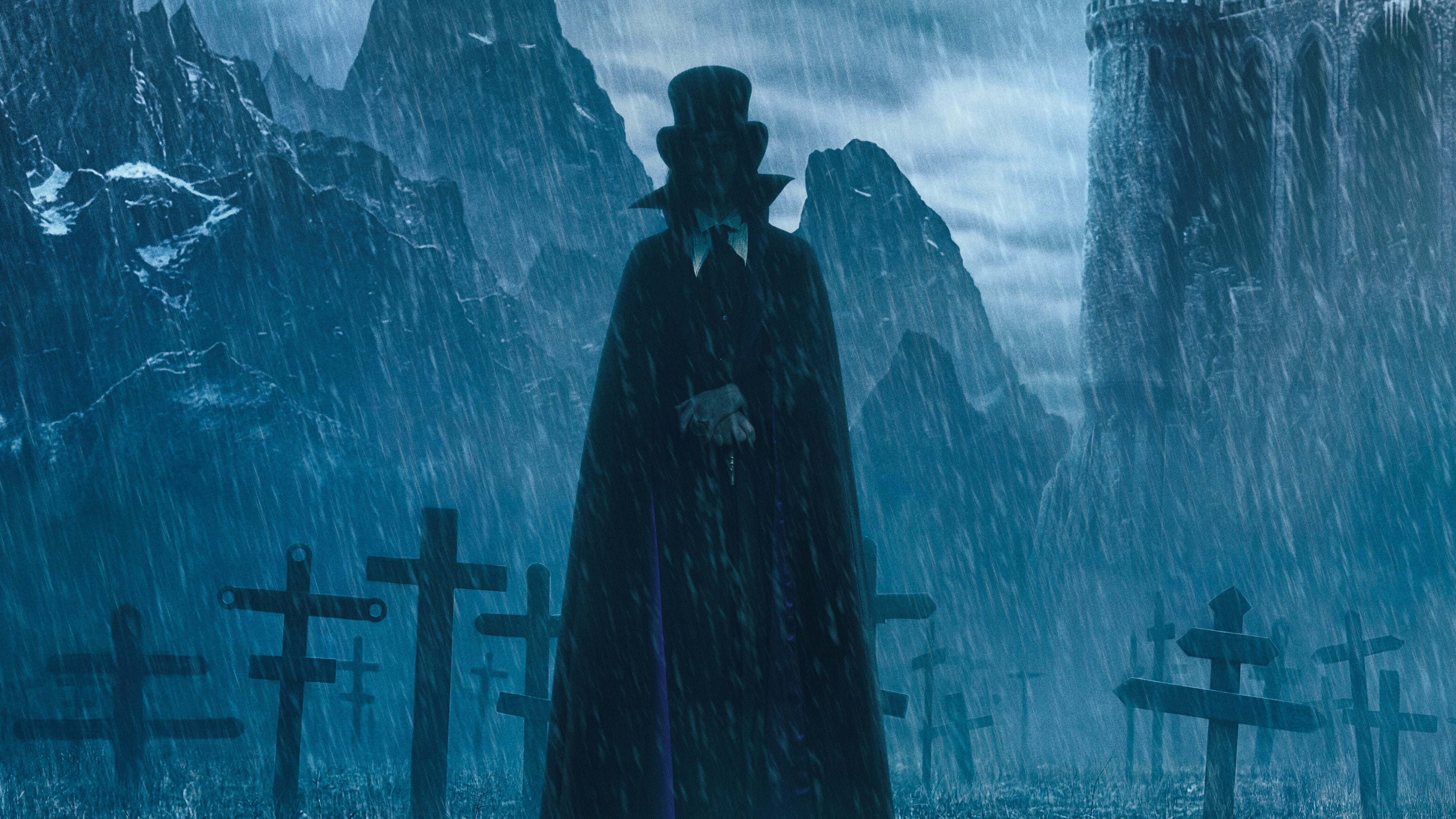
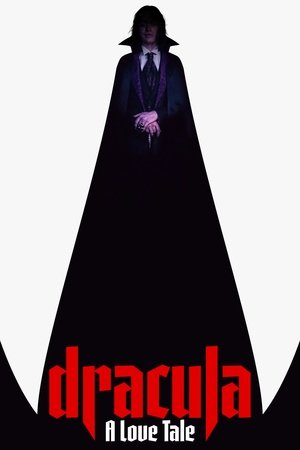

As its full name, “Dracula: A Love Tale,” this film emphasizes the love story between Count Dracula, the prince of Romania, and his wife Elisabeta, the princess of Romania.
This is probably one of the most humanised Draculas that has ever been depicted on screen. The film starts with a montage of the couple's passionate domestic scenes inside their bedroom, highlighting their bohemian and eccentric lifestyle and an illusion of a world with just two persons. This illusion was quickly interrupted by a group of soldiers coming inside the bedroom and forcibly putting armors on him.
At the end of the 15th century, Romania was under the rule of the Kingdom of Hungary and indeed conducted successful military operations against the Ottoman Empire, similar to the plot of this film. Elisabeta unfortunately lost her life in the embrace of the prince after a futile escape. The extremely long lace veil she wore when she was riding the horse during the escape became the main character of this part. Dracula lost his faith in God, and after the declaration of the betrayal, he killed the priest, who was dressed like a Catholic pope.
In 19th-century England, a priest, played by Christoph Waltz, and a doctor identified a vampire, who was a ‘young’ socialite woman, played by Matilda De Angelis. The foxy and overexcited Maria, who represents the typical vampire woman in the original Dracula novel, offers the most captivating performance in the film, more than Caleb Landry Jones, Zoë Bleu, or even Christoph Waltz.

In late 15th-century Eastern Europe, Prince Vlad II’s bride is brutally murdered. As a result, he renounces God and damns Heaven itself. Cursed with eternal life, Vlad is reborn as Dracula, an immortal warlord who defies fate in a blood-soaked crusade to wrench his lost love back from death.

Luc Besson
Director


Caleb Landry Jones
Vlad / Dracula

Zoë Bleu Sidel
Elisabeta / Mina

Christoph Waltz
Priest

Matilda De Angelis
Maria

Ewens Abid
Jonathan Harker

Guillaume de Tonquédec
Dumont

David Shields
Henry Spencer

Bertrand-Xavier Corbi
Captain Targol

Raphael Luce
Clerk Simon

Liviu Bora
Army Captain (19th)

Anne Kessler
Old Lady
An enchanted school for young heroes and villains brings the battle between good and evil in this fantasy movie.
Lee Daniels’s Billie Holiday biopic The United States vs. Billie Holiday was released on February 26th, 2021, and my immediate reaction to it was one of discomfort.
"The Haunting of Hill House" isn't your typical horror story. Based on a novel by Shirley Jackson, Netflix's masterpiece and limited horror series takes you on a emotional rollercoaster ride, by turning our perception of mental illness on its head. It's an unforgettable story about a loveable family, who grapples with tragedy and love after living at the foreboding Hill House.
'Bros' is a must-watch for October's LGBTQIA+ History Month and it's as good a rom-com as any! Don't let box office numbers or misguided reviews deter you from this great film.
The thing is, people like Wahlberg will only apologize if they have something to lose, which he did. His glamorous life, his reputation, and his career were all at stake.
There is no such thing as watching too many movies. Since we're still quarantined, I wanted to recommend another 19 movies for people to check out across Netflix, HBO Max, and more.