Quintessential Directors: Barry Jenkins
A brief look at two Barry Jenkins films that have established him as one of the greatest filmmakers of our time.




A philanthropist's will dictates that four people receive $5,000 apiece, with the stipulation that the first one who can double the amount -- without dishonesty-- will win a cool million. Hindering the four are the avaricious relatives of the late millionaire.

Theodore Reed
Director
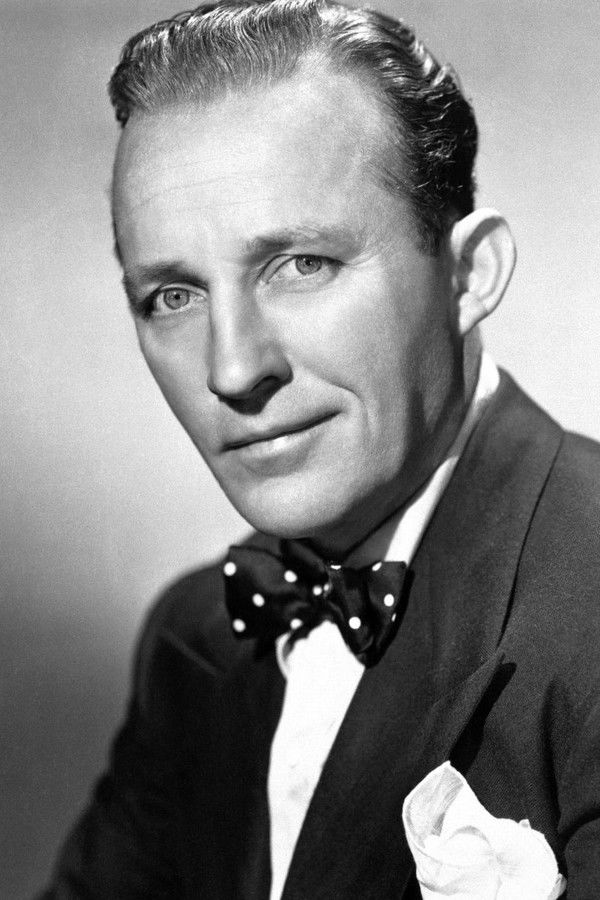
Bing Crosby
'Lefty' Boylan

Martha Raye
Liza Lou Lane
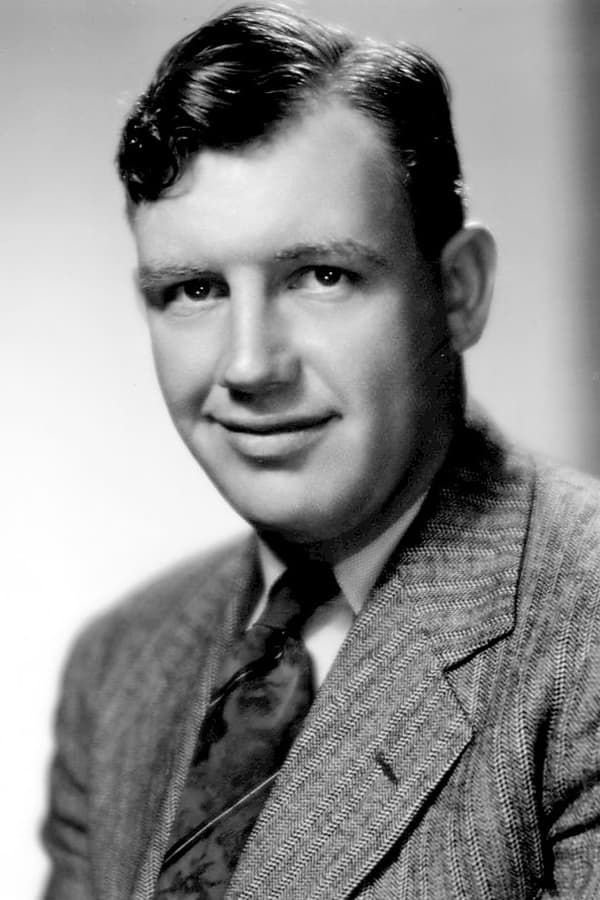
Andy Devine
Half Pint

Mary Carlisle
Vicki Clark

William Frawley
John Pederson

Samuel S. Hinds
Jonathan Clark

Fay Holden
Martha Sewell Clark

William Henry
Egbert Clark

Bert Hanlon
Nick Praxitales

Gilbert Emery
Mr. Mitchell

Walter Kingsford
Mr. Dobson
A brief look at two Barry Jenkins films that have established him as one of the greatest filmmakers of our time.
Self expression among teenagers is explored in the live adaptation of Jerry Spinelli's novel of the same name.
"Marriage Story" is a narrow-minded and heavy-handed attempt to examine the complexity of human relationships.
A trouble-making teenager spends the summer working at a Southern California beach learning about responsibility.
The social issues The Half of it takes on are handled well, between the antagonization brought on to Ellie for her race and the conflict that arises from her being gay. Both aspects of her character are built up over the course of the film and don’t seem abrupt or rushed. The film shows racism towards Ellie and her and father in varying levels, from having her schoolmates specifically address her as "Chinese girl” to the fore mentioned way her Dad is treated due to language barriers. The same can be said about Ellie being a lesbian. While she never truly “comes out” in the narrative, that does not undermine her journey of self-discovery from being meaningful. These ideas aren’t thrust upon the viewer in a preachy manor, the scenarios that occur feel believable given the rural setting. The film presents watchers with problems whom those like Ellie may face, and leaves us to sit with them and reflect.
Adam McKay might have been more concerned with cramming cameos than he was in this story which is a bloated criticism of the rich and famous… delivered unto us by the rich and famous.