'Alice' Doesn't Live Here Anymore
'Alice' is a genre trifecta: one part revenge drama, one part historical account, one part throwback to Blaxploitation—kinda 'Django' meets 'Roots' meets 'Foxy Brown.'




Falsely accused by the corrupt Governor Elden of Charleston of fencing stolen pirate booty, young Davey Crandall and friend Tom Botts buy passage on the ship of local buccaneer Bloodthirsty Ben. They avoid being killed by faking a case of the pox, which causes the panicked captain and crew to desert the ship. The two find themselves alone, and when a lucky cannon shot hits a mast on a British ship, they find themselves mistaken for pirates. They sail to Tortuga, where they recruit such notorious corsairs as Henry Morgan, Captain Kidd, Anne Bonney, and Blackbeard to lay siege to Chaleston and expose the villain Elden.

Charles Barton
Director


Donald O'Connor
Davey Crandall

Helena Carter
Lady Sylvia Copeland

Will Geer
Tom Botts

John Emery
Governor Elden

Stanley Logan
Lord Montrose

Kathryn Givney
Lady Montrose

Hayden Rorke
Malcolm Giles

Morgan Farley
Caleb Nicholas
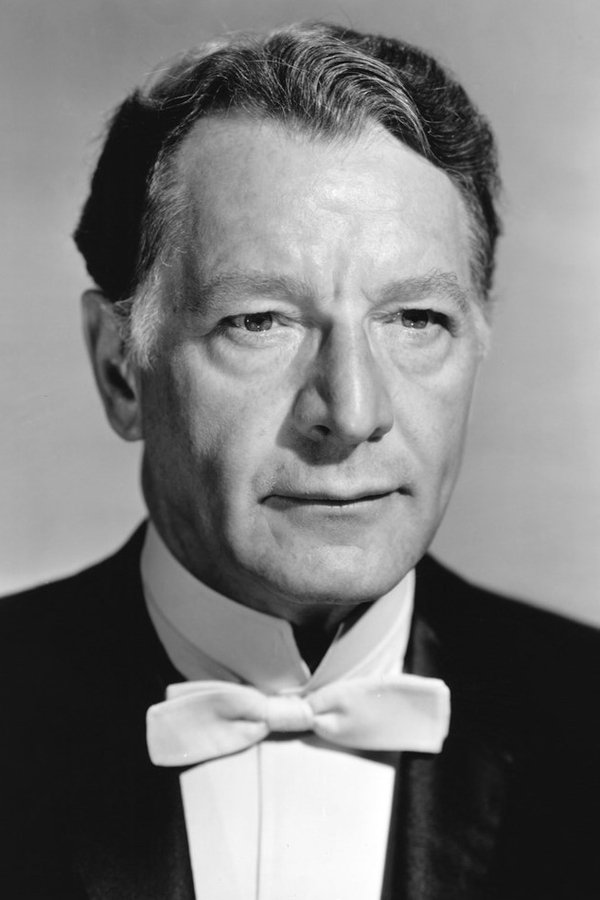
Robert Barrat
Henry Morgan

Alan Napier
Capt. Kidd
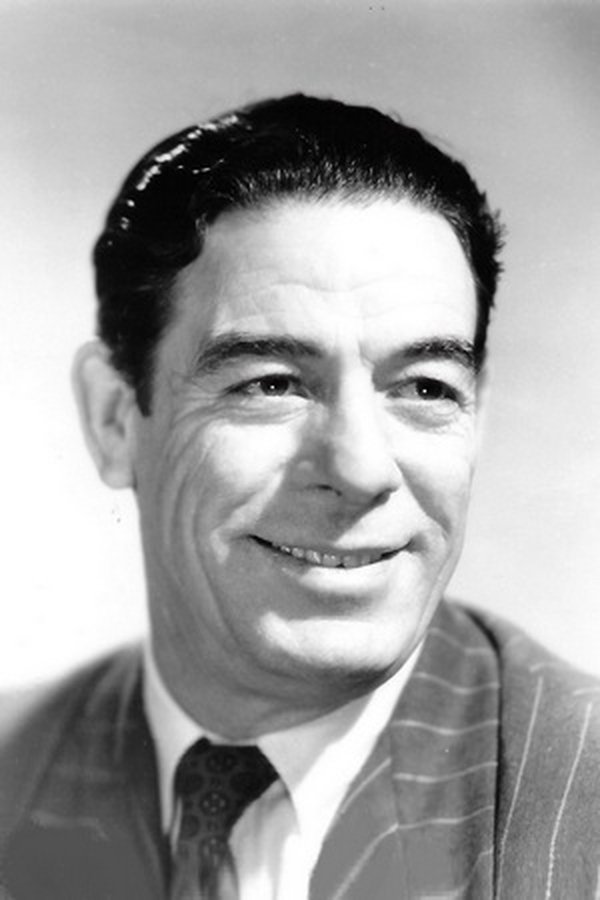
Glenn Strange
Capt. Ben Avery
'Alice' is a genre trifecta: one part revenge drama, one part historical account, one part throwback to Blaxploitation—kinda 'Django' meets 'Roots' meets 'Foxy Brown.'
You've heard the phrase “If looks could kill,” but have you heard “If dancing could kill?” Pretty Lethal takes that idea and runs with it.
'An American Werewolf in London' possesses a possible queer reading in the way it envisions a heterosexual romance being undone by the presence of a creature who embodies self-contentment in the face of social alienation.
'Legally Blonde' remains a standard of feminist filmmaking over two decades after its release, although its poor treatment of racial and sexual minorities make it a product of its time.
The Rocky Horror Picture Show not only supported Tim curry queer individuals who were closeted or harassed. It made people question their identity, orientation, and lifestyles that they never had before.