
"Get Out"
Jordan Peele’s film is an intelligent and unflinching piece of work, firmly focused on the African American experience.
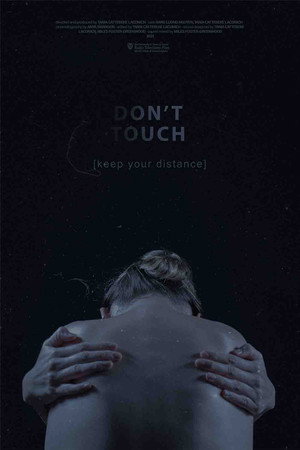


Two women of very different cultures reflect about the unspoken rules of touch.
Jordan Peele’s film is an intelligent and unflinching piece of work, firmly focused on the African American experience.
Hours before their line-up of screenings for Trans Awareness Week began, the filmmakers of 'When Men Were Men' chatted with me about the film's personal exploration of masculinity.
How powerful can a story be when it is stripped to the bare essentials of just a room, a handful of people and raw human voice?
Him is visually stunning—all concrete cathedrals and bone-rattling impact shots that look like a nightmare highlight reel. Marlon Wayans is magnetic as this legendary quarterback who's basically selling salvation with a smile that never quite reaches his eyes. But the story keeps running in circles: more tests, more cryptic pep talks, more ritualistic drills. The sports-as-religion metaphor beats you over the head when subtlety would've been more effective. The middle drags, and that finale chooses spectacle over substance. It's undeniably stylish, but left me cold. Also worth noting: despite the Monkeypaw connection, this isn't actually a Jordan Peele film—he didn't write or direct.
Korean pop culture has mastered emotions as both a scientific field and an artistic revolution. Think of how K-Pop and K-Dramas have taken over the world. How? Simply put — they are addictive. How are they addictive?
This analysis covers Paw Patrol: the Movie, including character analysis, themes covered in the movie, and things that could've made this movie better.