

"Sorry, Baby" is a Masterful Look at the Emotions of Life
From the cinematography to the script to the acting, Sorry, Baby is undoubtedly one of the best films of the year.
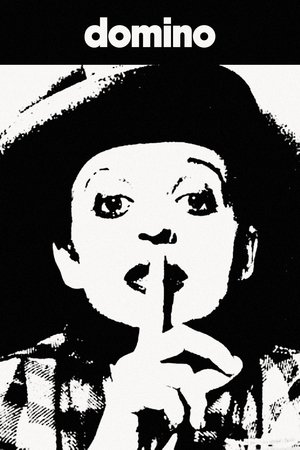


A young actress in Cold War Berlin struggles to decide whether or not to accept a new role, working with an old leftist director in a deserted theatrehouse. Caught between her painful childhood - loss of the mother - and the confusing and instable present political and social situation, she engages with prostitutes, penniless playwrights and postmen of the split Berlin city.
From the cinematography to the script to the acting, Sorry, Baby is undoubtedly one of the best films of the year.
This powerful story shines with poetic animation, an exploration of deeper truths, and the protagonist's complex search for identity.
A reboot series based on the popular original Nick teen sitcom of the same name.
If your upbringing was anything like mine, where the TV acted as an additional parent- there are so many new stories and perspectives to explore.
Curry Barker’s film, Obsession, soars in success this past May leaving everyone who has watched it in extreme chills and disturbance. And taking it to new levels of why men are always the root of horror films even when they try not to be.
A brave Indian woman rises from an oppressive background to become an inspired leader for women and men alike around the globe.