“Uncle Frank”: Acceptance and Queer Representation
Growing up with a lot of siblings, young Beth felt ignored her immediate family. Uncle Frank made her feel seen, heard, and accepted.



When his new wife from a peasant background is not accepted by his colleagues, a University Professor resigns his post and returns home to his rural village. After receiving popular support, he is returned to his position by the Minister of Education.

Viktor Bánky, István Básthy
Director

Gyula Benkő
Holben, egyetemista
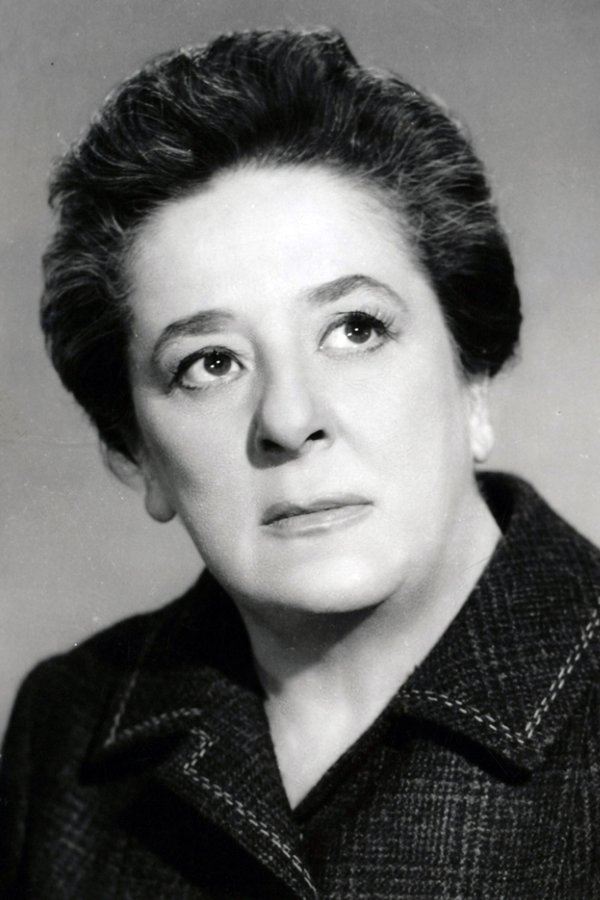
Hilda Gobbi
Kalaposné
Mici Haraszti
Lakosné
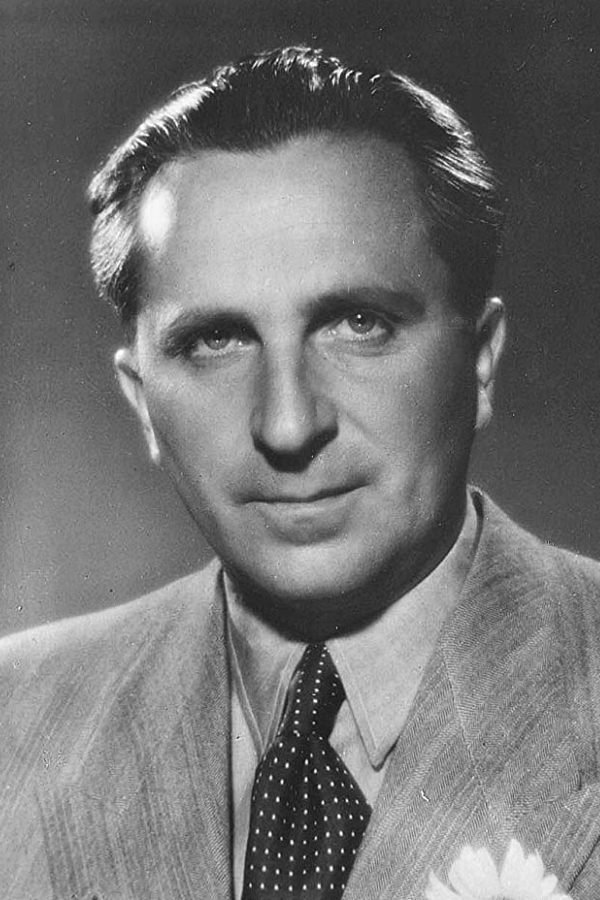
Antal Páger
Dr. Kovács István
Erzsi Simor
Tatár Ada

Piri Vaszary
Szabónő
György Kürthy
Tatár, az ügyvéd

Béla Mihályffi
Lakor Kálmán professzor
Puskás Tibor
Tatár Tibor
Tóth Júlia
Balogh Ágnes
Margit Vágóné
Dr. Kovács édesanyja
Growing up with a lot of siblings, young Beth felt ignored her immediate family. Uncle Frank made her feel seen, heard, and accepted.
CODA' is about a child of deaf adults torn between staying with her parents and her dreams of pursuing music. This film is a step forward for deaf representation and disability in movies despite negative messages about the burden of actors deaf deafness.
One young woman with an unusual background tries to find and establish herself in the real world, which isn't exactly as festive as she hoped it would be.
Religion, race and generations collide in this romantic comedy starring Jonah Hill
This coming-of-age Mexican movie is about a group of school children who fulfill their dreams.
Sorry to Bother You ultimately speaks to the unfair advantages that the country’s power structures award to those with the resources to control others, as Lift’s easy access to the media allows his opinion to be the only one that matters in the eyes of the unsuspecting and easily impressed public. Moreover, it reveals the extent to which the American Dream has any true validity. It postulates how the promise of success and fulfillment as promoted by the American Dream more often than not leads to the undoing of the individual. Interestingly, in its revealing of the American Dream as merely a facade, Sorry to Bother You wisely questions whether or not anything can really be done to undo a system that has been accepted and in action for centuries.