



San Junipero: Queer Heaven on Earth
Battles will come and go and queer people do die for their identity and fights for rights, but that doesn’t mean the gays don’t deserve their happy endings in stories.

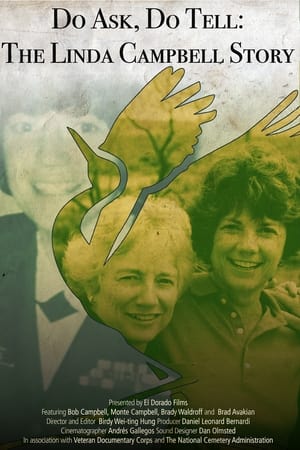
Set against the backdrop of the repeal of the "Don't Ask, Don't Tell" policy, the film chronicles the journey of Lt. Col. Linda Campbell, an Air Force veteran who grappled with hiding her true self during her service tenure. While the national policy shift towards LGBTQ+ rights marks a progressive era, Linda's personal story serves as a powerful testament to the individual battles fought in the shadows of such policies. Subjected to suspicion, prejudice, and threats from her comrades due to her perceived homosexuality, Linda's resilience remain undeterred. Her unwavering love and commitment to her partner, Nancy Lynchild, culminate in a poignant milestone: their eternal rest together in Willamette National Cemetery. Intertwined with this narrative is the account of Linda's brother, Bob Campbell, who delves into their family's conservative roots, Linda's tumultuous coming out, and the eventual familial reconciliation that showcases the transformative power of love and understanding.
Battles will come and go and queer people do die for their identity and fights for rights, but that doesn’t mean the gays don’t deserve their happy endings in stories.
Not every film can make a shopping mall feel both magical and menacing, but Forbidden Fruits challenges that.
The film basically says she was a lost cause from the start. We don't get a sense of who Marilyn was.
Director Martin Scorsese broadens his boundaries from mafia-driven movies, to a Buddhist biopic of the 14th Dalai Lama. While Buddhism strives for peace, ‘Kundun’ reveals the violence inflicted on Tibetan Buddhists and Scorsese’s depiction of violence does not stray away.
The roaring emotional ride that was the season four finale sets June on a new path: more of a Survivor's Journey.
'Legally Blonde' remains a standard of feminist filmmaking over two decades after its release, although its poor treatment of racial and sexual minorities make it a product of its time.