



Dead Poets Society Steals a Queer Story
Dead Poets Society relies on patriarchal tropes such as overbearing fathers, contrived brotherhood, and faux-individuality in order to portray its straight white male characters as oppressed.

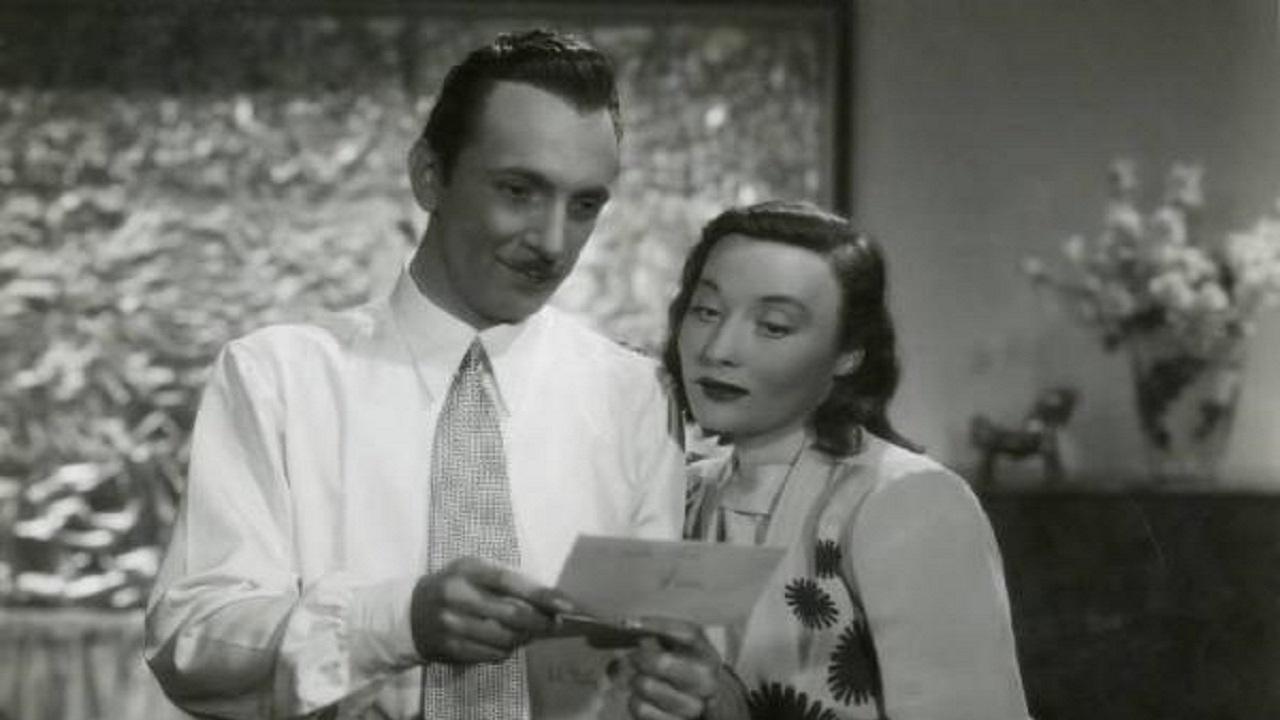
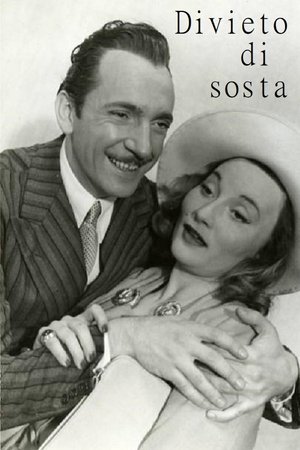
A wealthy widow becomes infatuated with an adventurer posing as a poet and, forgetting her responsibilities as a mother and her no longer young age, falls prey to a love frenzy in her family that puts her at odds with her daughter, who has just left boarding school, and her own brother, who is all about scientific research. The girl, who has learned of the alleged poet's less-than-honest intentions, tries every means to drive him away and restore her mother's sentimental balance. For this she pretends to be in love with him who, attracted by her youth and rich dowry, proposes that she elope.
Dead Poets Society relies on patriarchal tropes such as overbearing fathers, contrived brotherhood, and faux-individuality in order to portray its straight white male characters as oppressed.
Apparently, nothing's ever enough. It has its flaws, but does that warrant the amount of criticism 'Barbie' is subject to?
Based on a true story, when his beloved dog goes missing, the owner embarks on an incredible search with his parents to find him.
One of the reasons I love watching movies is that, much like books, they serve as windows into other times and different places. Productions from around the world offer valuable insights into the history and culture of their respective countries. And just like literature, cinema can help us understand the present by showing us the past.
Inuit girls use their Inuit tradition to hunt down alien monsters, enough said.
"Abominable" is an exciting story for children and a great step forward for positive Asian representation.