








“Bury Your Gays” Trope in TV and How “Wynonna Earp” Defies it
I think that the happiness and survival of "Wynonna Earp"’s LGBTQ+ characters is incredibly refreshing in contrast to the prevalence of queer suffering and death in other television.

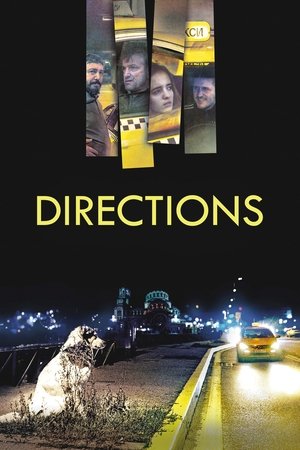


A road movie set in present day Bulgaria, a country remains optimistic, mainly because all the realists and pessimists have left. At a meeting with his banker, a small business owner, who drives a cab to make ends meet, discovers the bribe he will have to pay to get a loan has doubled. The ethics board that reviewed his complaint about extortion now wants its share of the action. At his wit's end, he shoots the banker and then himself. The incident sparks national debate on talk radio about how despair has taken over civil society. Meanwhile, six taxi drivers and their passengers move through the night, each in hope of finding a brighter way forward.
I think that the happiness and survival of "Wynonna Earp"’s LGBTQ+ characters is incredibly refreshing in contrast to the prevalence of queer suffering and death in other television.
The legacy of this movie starts off the film series with a bang of magic, plot twists, and battles.
Gritty and bleak are the best words to describe this film. There’s nothing happy about it.
"The Mitchells vs. The Machines" captures the eternal struggle between kids who want to pursue the arts and their practical parents who think they'll fail.
We, the Jane Austen aficionados, are suckers for everything and anything under the sun that’s remotely related to her and her world. That’s because we are so drawn to her unique style of fiction, romance, and social commentary, we take any allusion to her influence as a hint to what to expect when we start watching a movie or reading a book.
It’s the most loving tribute to cinema and to Ingmar Bergman, set in world that feels so habitable that I felt like only re-watching this for eternity, because of how inviting it looks and feels.