Viola Davis, EGOT Pioneer
Viola Davis is an EGOT pioneer and trailblazer advocating for diversity and opportunity in Hollywood. See the legendary actresses' rise to critical acclaim.

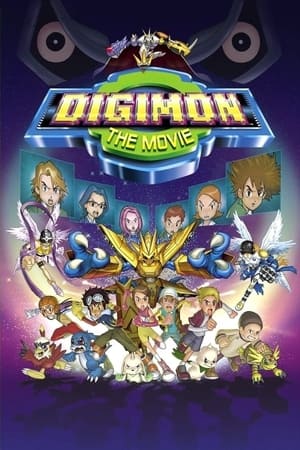


When a powerful new Internet Digimon hatches and begins to consume data at an alarming rate, the Digidestined - kids chosen to save the digital world - must put an end to the destruction before the damage becomes irreversible and worldwide communication halts forever. As computer-based missiles are launched, and a wayward Digimon kidnaps the Digidestined, only the combined efforts of a worldwide network of kids and a new group of "Digidestined" can rescue the others and stop global disaster.

Mamoru Hosoda, Shigeyasu Yamauchi
Director


Lara Jill Miller
Kari / Young Kari (voice)

Joshua Seth
Tai Kamiya (voice)

Bob Papenbrook
Red Greymon (voice)

David Lodge
Parrotmon (voice)

Dorothy Elias-Fahn
Tai's Mom (voice)

Michael Sorich
Miko / Big Agumon / Gargomon (voice)

Peggy O'Neal
Botamon (voice)

Colleen O'Shaughnessey
Sora / Male Student (voice)
Brianne Siddall
Koromon / Kuramon (voice)

Jeff Nimoy
Truck Driver 1 / Tentomon / Phone Voice 1 / Kabuterimon / MegaKabuterimon / Floyd the Barber / Barney / Cabbie / Kid 3 (voice)

Bob Buchholz
Truck Driver 2 / Male Customer / Phone Voice 2 / Voice Mail Operator / Uncle Al / Andy / Squad Leader (voice)
Viola Davis is an EGOT pioneer and trailblazer advocating for diversity and opportunity in Hollywood. See the legendary actresses' rise to critical acclaim.
Films can alleviate alienation by presenting realities where the viewers feelings are shared by onscreen characters. 'The Little Mermaid" film can be interpreted as a transgender story.
Years before Mexican director, Alfonso Cuaron, was winning Academy Awards for movies like Gravity (2013) and Roma(2018), he directed a small, intimate film about two best friends who decide to embark on an improvised road trip to spend time with an older, attractive woman who miraculously agrees to go with them. Y tu Mamá También is a deep journey into the raw sexuality and friendship of the young protagonists, as well as a subtle social and political commentary on Mexico at the time.
This delightfully odd horror movie presents a whimsically strange alternate reality to younger audiences.
Madres takes place in the 70’s following a Hispanic married couple who move to a migrant farming community. Diana, who is pregnant, starts to become suspicious of their new environment after she and the women around her develop strange symptoms. Could it be a curse, a sickness, or something else?
Despite everything it was capable of, all of these poor choices strung together amount to nothing more than a counter-productive film.