

Is It Still Possible to Achieve a Happyend Nowadays?
Neo Sora left a realistic and yet hopeful notion for the near future and the now.
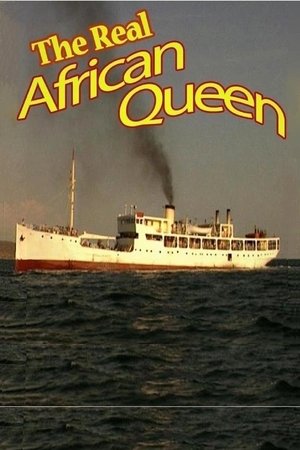


Today the steamer is called "Liemba" and is probably the oldest regularly operating liner in the world. Its original owners named it after the German Africa explorer Graf von Goetzen. The ship was commissioned by Kaiser Wilhelm II in 1913 to support German protection troops in the African colonies. It made its way from the Ems to Lake Tanganyika in what was then the colony of German East Africa in 5,000 crates by ship, rail and even on foot. There, three Papenburg engineers assembled the ship and received a "tropical surcharge" for it. And when the First World War broke out, "Graf Goetzen" even presented itself as a gunboat. The film describes the eventful and sometimes involuntarily funny story of this floating museum piece from the perspective of people whose lives were or are fatefully linked to the ship: Germans, Belgians, Britons, Tanzanians. A piece of colonial history and a journey through recent Tanzanian history, maybe a touch of "Fitzcarraldo".
Neo Sora left a realistic and yet hopeful notion for the near future and the now.
Even with its straightforward premise, “Richard Jewell” is ramped up by exceptional drama. In all honesty, the performances are out of this world. As Jewell, Paul Walter Hauser becomes a walking representation of gullibility. His bumbling antics create the perfect hero, and very quickly, we feel the societal heat that surrounds our protagonists.
Like Stars on Earth is a representative movie that talks about dyslexia to young audiences and why it is important in today's generation.
The Djinn is about childhood traumas and lifestyle changes. It tells the story of Dylan (Ezra Dewey), a mute boy who blames himself for his mom’s death. He also condemns himself for being speech-impaired, and he thinks that if he did not have that condition, everything could had been different.
We sat down with Writer/Director Albert Acosta to discuss his debut short film, (ha-ha), Acosta's foray into narrative cinema, and how his personal experiences have shaped his filmmaking philosophy.