






'Hawkeye' Episodes 1 & 2 Review: A Slow but Promising Start
The latest in the lineup of Disney+ Marvel shows, Hawkeye is shaping up to be a fun Christmas-themed Avenger show that’s also really down to earth.
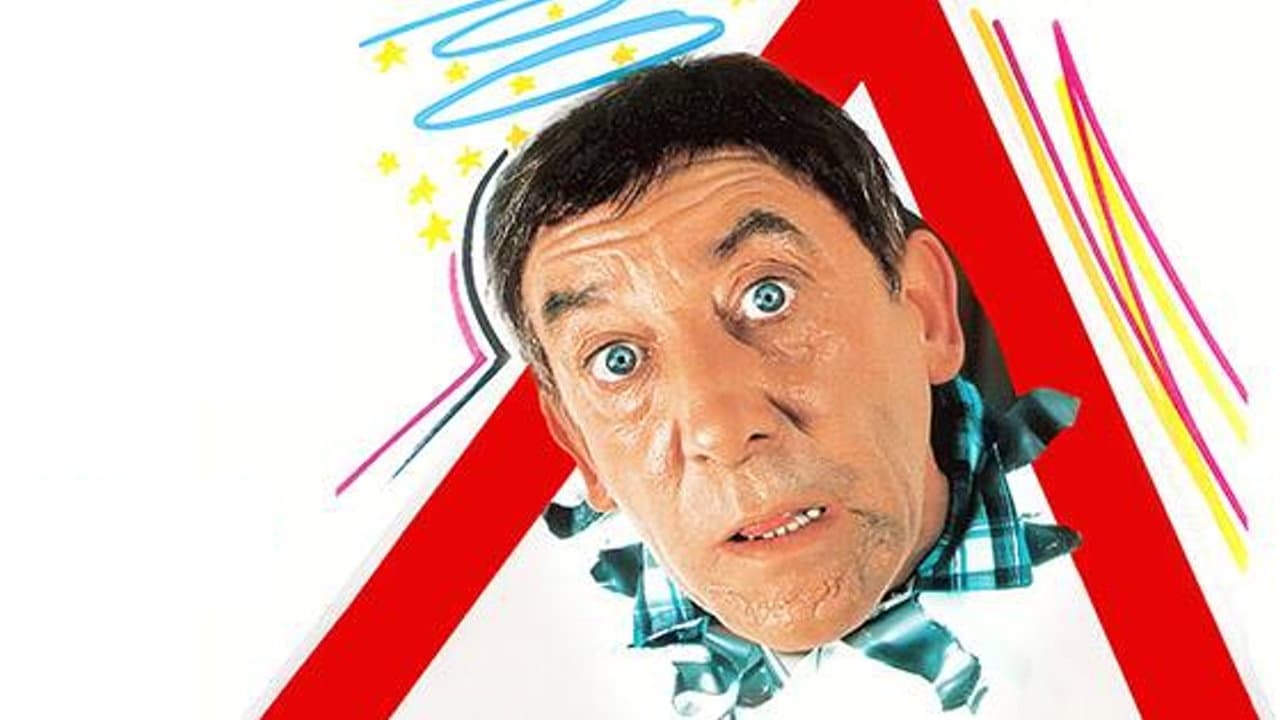
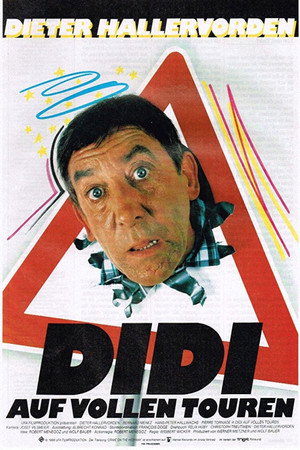


German vehicle fanatic Dieter 'Didi' accepts to drive a truckload of waste barrels to a French dump site. Didi ignores the plant needs to dump toxic waste after a major incident, which made the international news. But while the French site exploiter's agent Marcel believes it's Did's load, that's in fact a deliberately obvious diversion. Now everyone chases everyone else.
The latest in the lineup of Disney+ Marvel shows, Hawkeye is shaping up to be a fun Christmas-themed Avenger show that’s also really down to earth.
This emotional, frightening, and dreamlike story examines the ways actresses are exploited in the name of art.
Disney's newest Latine animated musical, 'Encanto', features a super colorful cast, fun music, and a surprising conflict about intergenerational trauma.
The Loud House movie follows Lincoln Loud and his 10 sisters taking a family vacation to see their ancestors in Scotland.
In Spike Lee’s She’s Gotta Have It (1986), we follow the love life of powerful female protagonist Nola Darling (Tracy Camilla Johns) and explore the relationship dynamics she has with her partners. She sees three men simultaneously: Greer Childs, (John Canada Terrell) Mars Blackmon (Spike Lee), and Jamie Overstreet (Tommy Redmond Hicks). Though an 80’s film, She’s Gotta Have It is surprisingly progressive with its themes of female sexuality, although at some points in the film it is handled clumsily. Overall Nola is an incredibly compelling character especially for modern women, as we as a society acknowledge female sensuality more and more without the negative stigma.
'Uprooted' is a short film on what's happening in Ukraine as of today. This captures the emotions of the Russian invasion of Ukraine.