



Twin Peaks: Why LGBTQ Ally Depiction is Crucial
Portraying how easy it is to be an ally heavily benefits the majority audience. The more we encourage it, normalize it, and give people the tools to become one, the sooner we can co-exist peacefully.
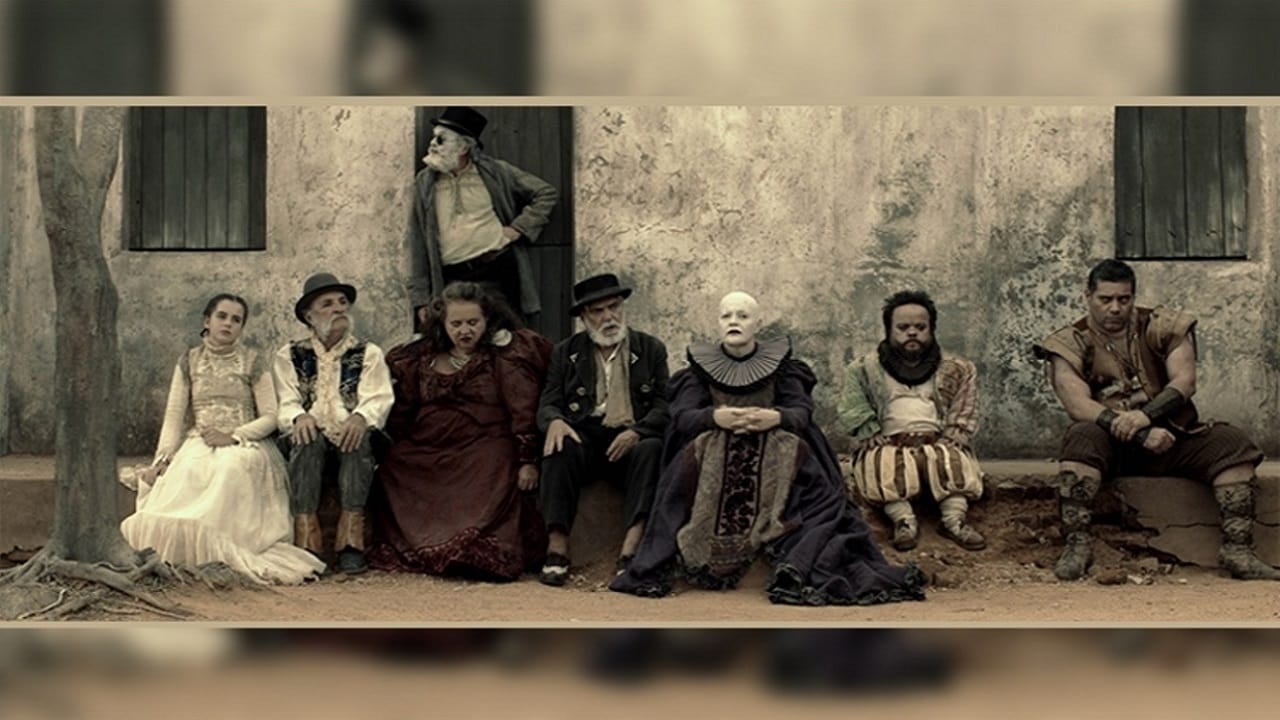



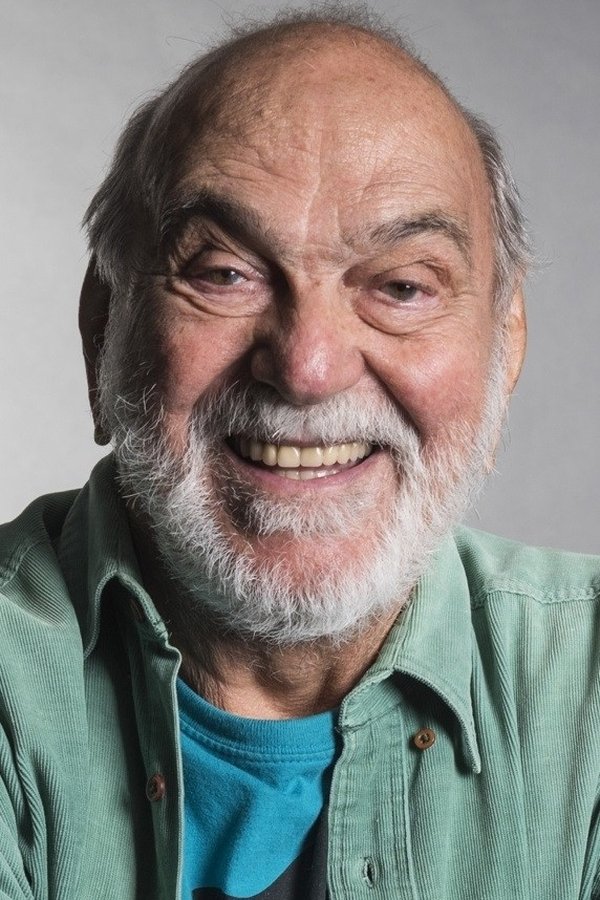
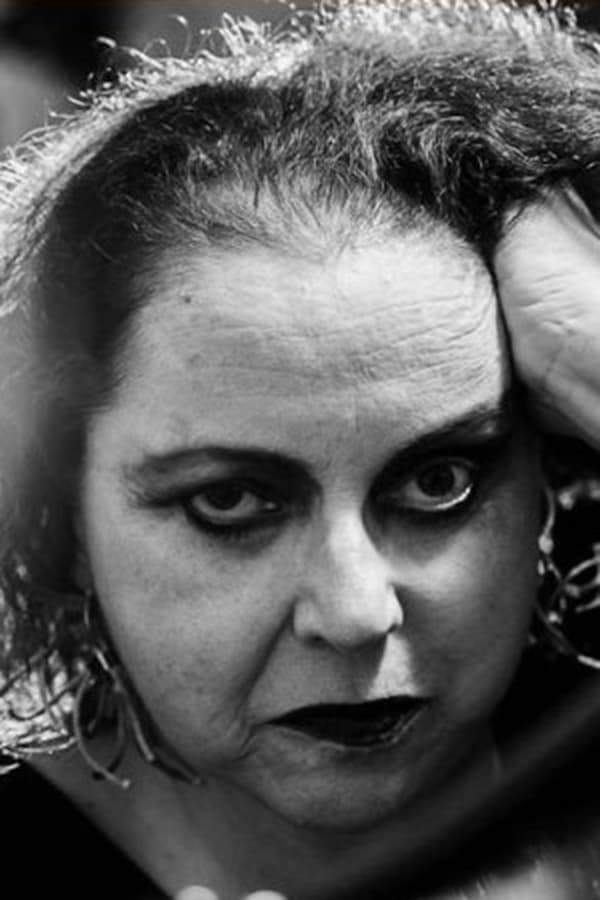
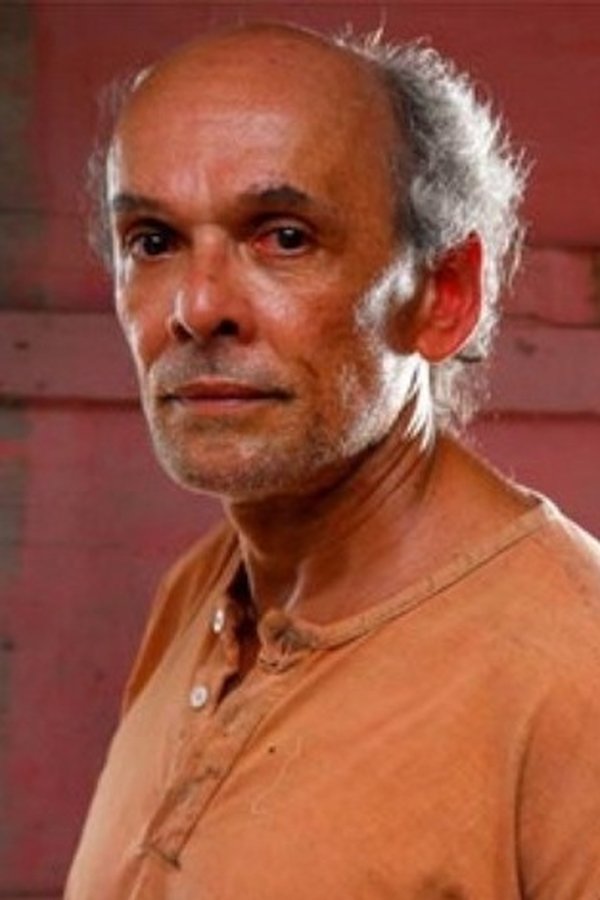
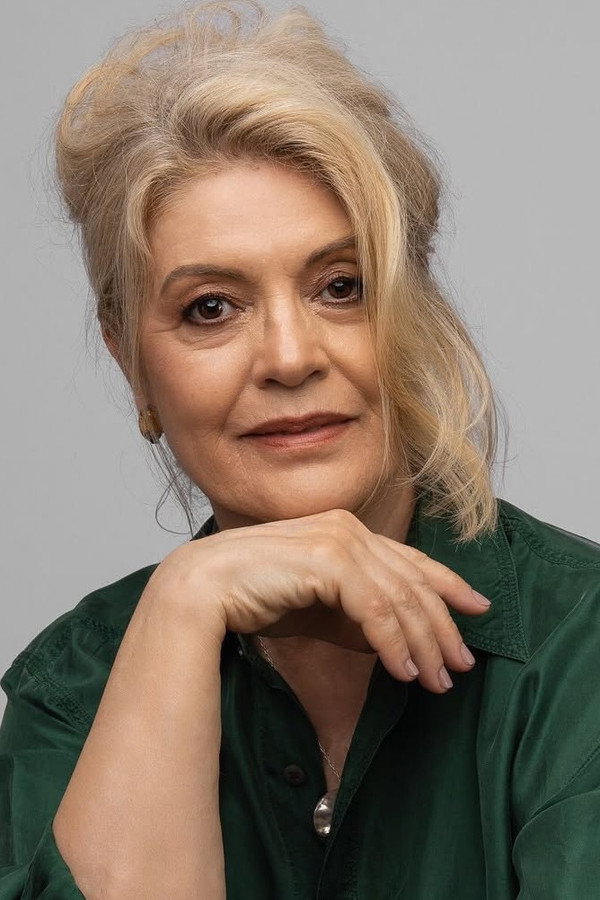
A small group of artists travels the Brazilian backlands presenting a show. Upon arriving in a small village, they find an abandoned city with houses, a church, and a fountain spouting clean water, like a miracle of a biblical desert. Tired of and battered by their life as wanderers, the artists decide to settle in the village and start a new community, assigning themselves different roles from those they have played throughout their lives. This new arrangement, however, will reveal these artists the worst vices of the civilian life.
Portraying how easy it is to be an ally heavily benefits the majority audience. The more we encourage it, normalize it, and give people the tools to become one, the sooner we can co-exist peacefully.
I imagine that it would be a dream job for an actor to play the parts of twin brothers Dominick and Thomas Birdsey in I Know This Much Is True.
After We Collided is a sequel to last year’s After, which itself was based on Anna Todd’s 2014 novel of the same name, and which was originally published as a Harry Styles-centric fan-fiction on WattPad (a similar path as E.L. James’ Fifty Shades of Grey series).
The relationship between the characters is what makes this film stand out, and it’s just all-around fun.
Mala tripped over in a company Diwali party, which led to unexpected visits and realizations.
In Paul Feig’s newest comedy, Last Christmas, Katarina (Emilia Clarke) didn’t give a heart, she got a heart, you see.