
What is "Bugonia" Actually Trying to Say?
The film seems like an extreme interpretation of the conspiracy theorists that exist in real life. And then, there’s the twist.
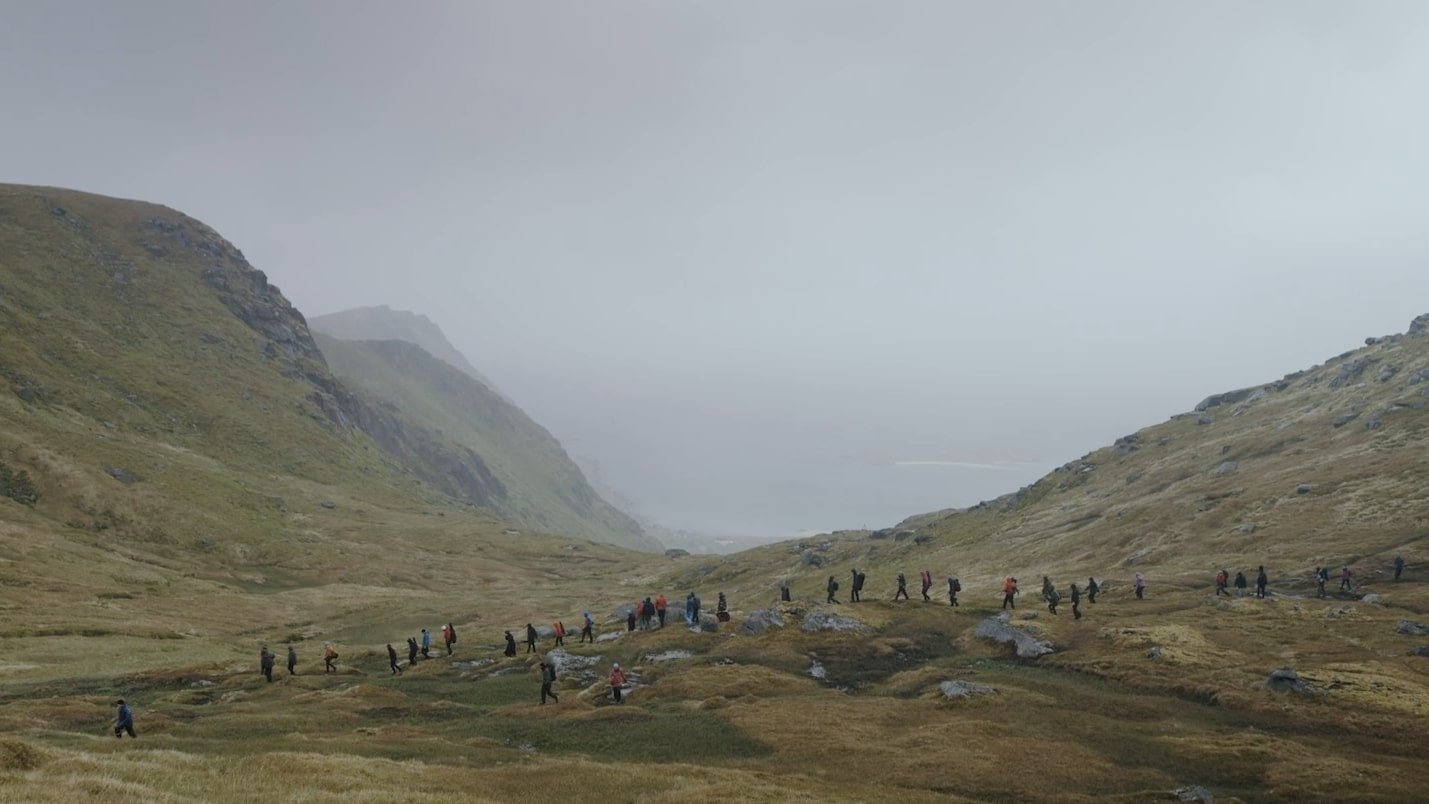
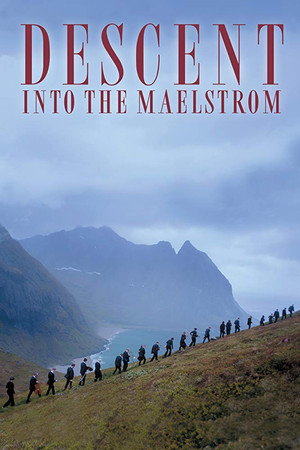


A stunning film based on majestic music based on a mesmerizing short story based on a unique natural phenomenon In 1980, Philip Glass wrote a piece of music inspired by Edgar Allan Poe’s short story A Descent into the Maelstrom, which in turn was inspired by Moskenesstraumen – a unique natural phenomenon outside the Lofoten islands. In this documentary, we follow the Arctic Philharmonic Orchestra to the top of the Ryten mountain where they perform Glass’ music overlooking Moskenesstraumen itself. With its powerful music and majestic landscapes, Descent Into The Maelstrom is an ode to the beauty and harsh living conditions of Northern Norway.
The film seems like an extreme interpretation of the conspiracy theorists that exist in real life. And then, there’s the twist.
In addition to the cast being delightfully diverse this time around, the film was just loosely-plotted and action-packed enough to keep a casual fan like myself entertained. While I do agree that the writing of Cole left much to be desired for an original character thrust into a preconceived universe, none of the characters seemed particularly fleshed out in terms of personality; however, I think that's to be expected when you're watching a film literally inspired by a video game.
Striving for validation. Let’s be frank….we ALL want to be successful. Whatever we put our efforts into, ideally it is to make it culminate in the best possible results across the board, especially when it comes to what career path we are pursuing. We WANT to excel, to shine, to advance, to be acknowledged. AND…let’s hope that we also wish to better everyone around us to boot. However, what occurs when those whom we initially put our trust in suddenly become a burden instead of a boon? Do we falter under the weight of rejection? Or STAND UP for WHO WE ARE?
Rules are nowhere to be seen in the harsh unfiltered reality of ‘Fair Play.’
The Djinn is about childhood traumas and lifestyle changes. It tells the story of Dylan (Ezra Dewey), a mute boy who blames himself for his mom’s death. He also condemns himself for being speech-impaired, and he thinks that if he did not have that condition, everything could had been different.
Passing is a visually stunning portrayal of Larsen's story with an inclusive cast, and the performances of Thompson and Negga are sensational.