




"A man has got to see his face." Horror Noire: A History of Black Horror
This documentary moves chronologically through Black representation in horror films, revealing the genre's connections to Black history.
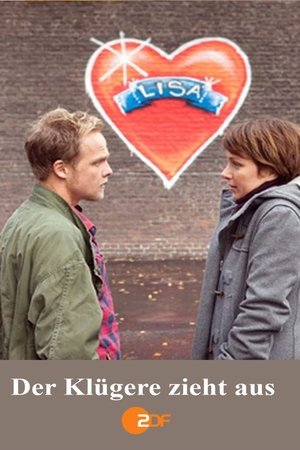


Peter and Nina, both around 40 and parents of two children, decide to part as harmoniously as possible. However, Peter only moves to the summerhouse. The firm decision of Peter and Nina: "We want to remain friends and continue to care for our children as well as possible." This is not just lip service but really the intention of both parents. After all, you're grown up. Already at the very beginning of her new life, however, it can be felt that Peter does not take this separation as seriously as Nina, who is clearly the driving force behind Peter's departure.
This documentary moves chronologically through Black representation in horror films, revealing the genre's connections to Black history.
Praising Black representation and condemning the power structures that suppress it, a mother delivers an impassioned speech to her distant son.
Cord Jefferson's hilarious and thought-provoking film continues a long-standing cinematic tradition, expanding the conversation around the impact of systemic racism in today's media.
After We Collided is a sequel to last year’s After, which itself was based on Anna Todd’s 2014 novel of the same name, and which was originally published as a Harry Styles-centric fan-fiction on WattPad (a similar path as E.L. James’ Fifty Shades of Grey series).
'Yes, God, Yes (2019)' is a coming-of-age tale about a Christian teenage girl discovering her sexuality, the turbulence that comes with it from within herself, and the judgment from those around her.
'Selena: The Series' loses sight of the story's heart: Selena herself.