








Once Upon a Time in (White) Hollywood
Tarantino's alternative history of the 1960's uncritically repeats the era's sexist and racist stereotypes.

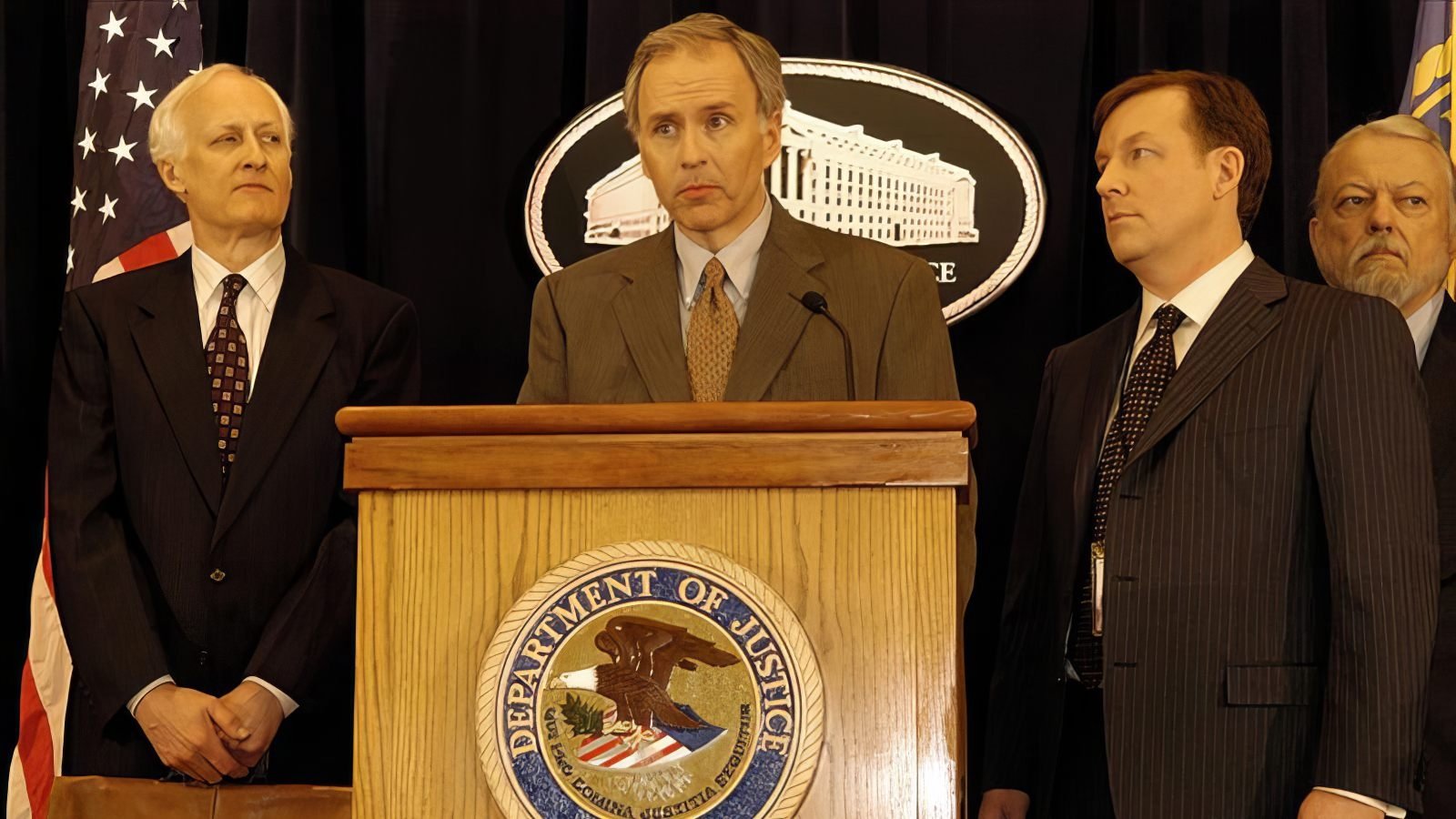
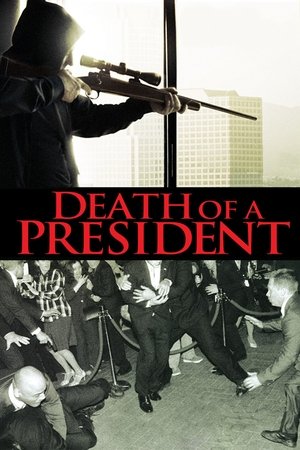
A fictional investigative documentary looks back on the "assassination" of George W. Bush and attempts to answer the question of who committed the murder. Perhaps less morbid and disturbing to watch now than during Bush's presidency, the film doesn't address Bush's policies at all, instead focusing on the way a nation assigns blame in a time of crisis.
Tarantino's alternative history of the 1960's uncritically repeats the era's sexist and racist stereotypes.
t’s relatable and heartbreaking all at once, and it’s impossible to watch Happy Together without reflecting on oneself. The film is stunning in every aspect, and is a vital piece of LGBTQ cinema.
'The Worst Person In The World' follows a part of life I don't see often portrayed on-screen: extended adolescence.
In this coming-of-age movie centered around senior prom, Mandy is anxious about her acceptance into Harvard while she realizes she's missing other opportunities.
If you enjoy Japanese cinema, absurdly violent action films, gangster flicks, or joyfully strange cinema, 'Why Don’t You Play in Hell?' is a must-see.
Making Apes begins by looking back at the history of makeup effects in Hollywood, which was revolutionized by Jack Pierce, the person behind Frankenstein (1931) and The Wolf Man (1941)