


'Pulgasari': The Strange Story Behind North Korea's Godzilla
When we hear Korean Cinema, we often think of South Korean Cinema, but what about North Korea? Sure, North Korea has its propaganda moments, but 'Pulgasari' might be its best one yet.

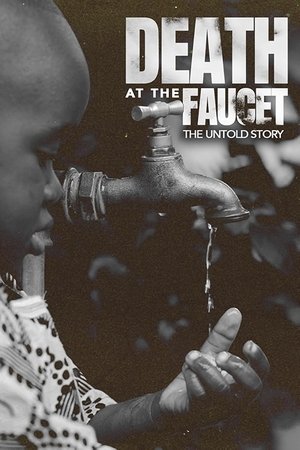
In the heart of the American South, a city steeped in history finds itself at the epicenter of a modern crisis. Jackson, Mississippi – a community where echoes of the civil rights movement still resonate – faces a struggle not just for justice, but for the most basic necessity of life: water.
When we hear Korean Cinema, we often think of South Korean Cinema, but what about North Korea? Sure, North Korea has its propaganda moments, but 'Pulgasari' might be its best one yet.
The Bluff unravels its mystery slowly, opening on the capture of a ship captain named Bodden (Ismael Cruz Córdova) and the swift execution of his entire crew. Then, viewers are treated to a tranquil British settlement in the Cayman Islands in the 1850s, where a mother bakes a coconut birthday cake for her son in a house suspiciously rigged with makeshift tripwires and burglar alarms. As it turns out, that mother is Priyanka Chopra’s quick witted and resourceful ex-pirate Mrs. Ercell Bodden, and her husband’s captors are on the way to the island to hunt her down for abandoning them and stealing their loot. The pirates of the Libertas land on the beaches of Cayman Brac, and the scenes that follow show a Viking-esque slaughter of half the island.
'Rag Tag' encompasses the diversity within the African Diaspora by showing London Nigerian men learning to regulate their emotions while navigating love and societal pressures.
A film for the post-MeToo era that inverts the narrative with an ironic coda, Tár depicts the duality of a sensitive artist capable of great evil and vile manipulation.
Clocking in at about four hours, Stranger Things season 4 volume 2 is the length of a double feature. Despite the length and the hype, the finale still falls short of expectations thanks to poor pacing, poor character choices, and poor diverse storytelling.
Emily Henry’s adaptation reaches romance movie standards, but not romance reader standards.