
‘Little Boxes’ Had Good Intentions, But...
In 'Little Boxes," an interracial family moves to an all-white town where they face the judgement of others who have never been exposed to people of color before.
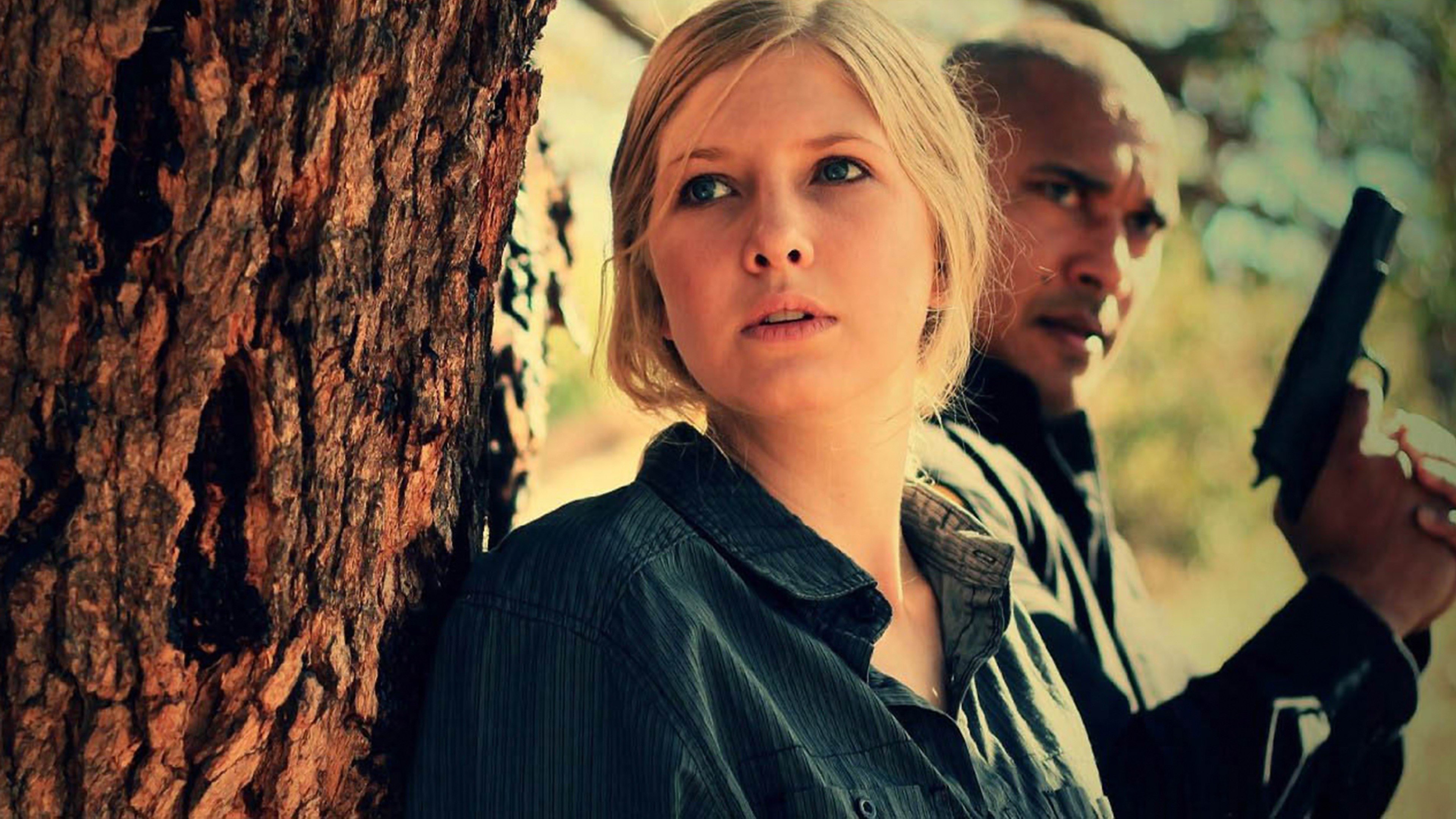
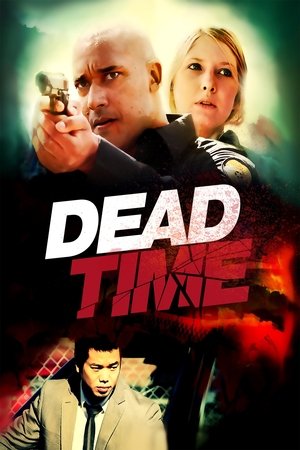


Trapped in the center of a lucrative organ trafficking racket, Claire (Jessica Hegarty) discovers her father runs the grisly global criminal organization. Her sheltered life now shattered and exposed, Claire must work with Interpol to pursue the hidden truth. This journey thrusts Claire into a dark world, forced to fight for her life against a barrage of deadly hitmen assigned to silence her. No match against such organized assassins, Claire's only hope rests on a chance encounter with a protective guardian, Michael (Rody Claude), who is not all as he seems. Her fight for survival reunites Claire with her father, pushing a family's bond to its limits in a tense and desperate showdown.
In 'Little Boxes," an interracial family moves to an all-white town where they face the judgement of others who have never been exposed to people of color before.
If the message here is that without a support system, grieving people turn into monsters, it’s not really well-delivered and may be flawed as a message itself.
The Chronology of Water is a raw, honest, and unforgiving portrayal of how an abusive childhood ripples throughout one’s life. It is definitely the best movie I’ve seen Imogen Poots in. And even though Kristen Stewart has a long acting career for her young age, her directorial skills in this film show a lot of promise. Her feature debut as a director, an adaptation of Lidia Yuknavitch's critically acclaimed 2011 autobiographical memoir, is fully immersive, mesmerizing, and impressive.
Unlike other documentaries about Princess Diana, Perkins’ film, 'The Princess', is an entire documentary consisting of media coverage and public opinion, rather than a typical series of people interviewed with firsthand experience of the Princess. 'The Princess' beautifully depicts how we perceive Diana as a media figure rather than a real person, specifically creating her persona as a fairytale figure turned saint and icon.
For the entirety of Raiders of the Lost Ark, Marion remains in full control of both her body and her personality, a rarity for female characters at the time of the film’s release. She’s granted depth with personal demons from her past and emotional vulnerability when the situation deems it appropriate for her to grow alongside Indy. She avidly rejects the notion of being anything other than a sassy, humane rebel, and Indy’s equal in every way. This she does while still maintaining her femininity.
People are so much deeper and far more extraordinary than what gender they were assigned at birth.