












"Miss You, Love You" Explores Grief and Unlikely Connection
Miss You, Love You brings together two people who were meant to find each other at that moment in their lives.
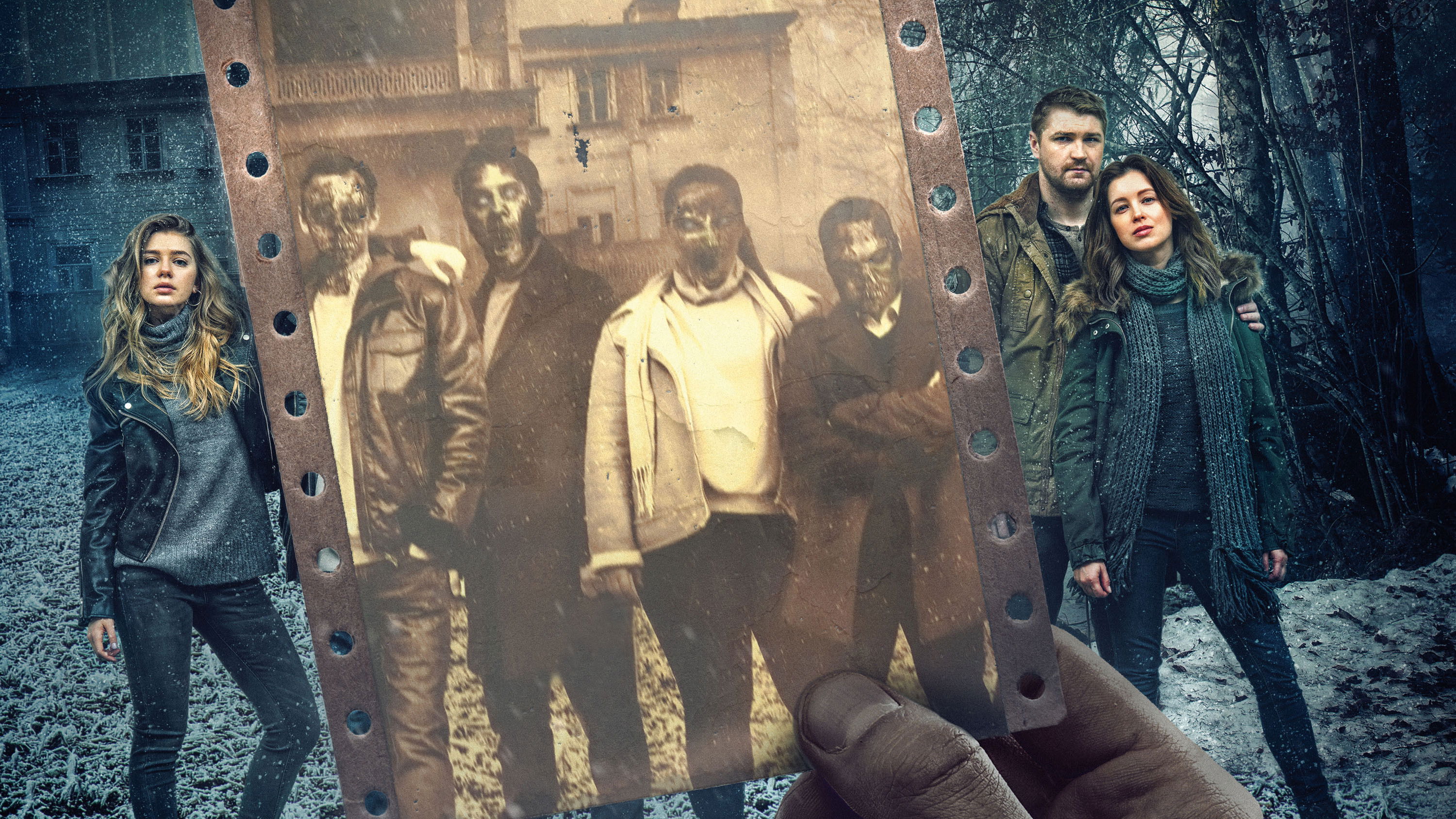



A group of friends decide to spend a weekend together at a country house, but an unexpected accident forces them to stop at a strange and remote estate. In this abandoned and eerie place, a rare antique camera is discovered. Slowly the camera draws them into a mystical and tragic chain of events that none of them could have seen coming. Anyone who has their picture taken by the camera sees a photo revealing their death. Many of them lose their lives in excruciating ways, as they race to solve the mystery of the camera.
Miss You, Love You brings together two people who were meant to find each other at that moment in their lives.
The genres of science fiction and fantasy are not exclusively masculine territory. Over the last few decades, female directors have brought to the screen some of the most visually stunning, intellectually daring, and deeply moving works of speculative fiction. From big Hollywood productions like Wonder Woman and Captain Marvel to independent low-budget films, women filmmakers are making a name for themselves around the world.
Like all modern societal phenomenons, it started with a meme. This one highlighted that when there’s a mom in a Pixar film, she is almost without fail given striking curves that highlight the bottom half of her body following a minuscule waist. From Elastigirl to the skeletal Mama Imelda, the animation giant’s artists seem to have a fixation on making exaggeratedly curvy maternal characters.
The power to function. As people, we are richly blessed to have the wide ranging scope of what we can accomplish…physically and mentally…that aid in everything we desire to strive for and, ideally, accomplish. However, what if someone was experiencing daily life with these elements….only in a more muted manner?
An in-depth discussion about anti-Black discrimination in college and professional football.
I understood post-memory as passing down stories and images of one’s experiences that are not your own. For decades, rape has been depicted in cinema through a third-person perspective, leaving the viewer to observe rape; not to experience it.