

Growing Fangs: How "Ginger Snaps" Ties Puberty to Werewolves
John Fawcett’s "Ginger Snaps" intertwines the lore of the werewolf to the hellish experience of a young girl going through puberty.
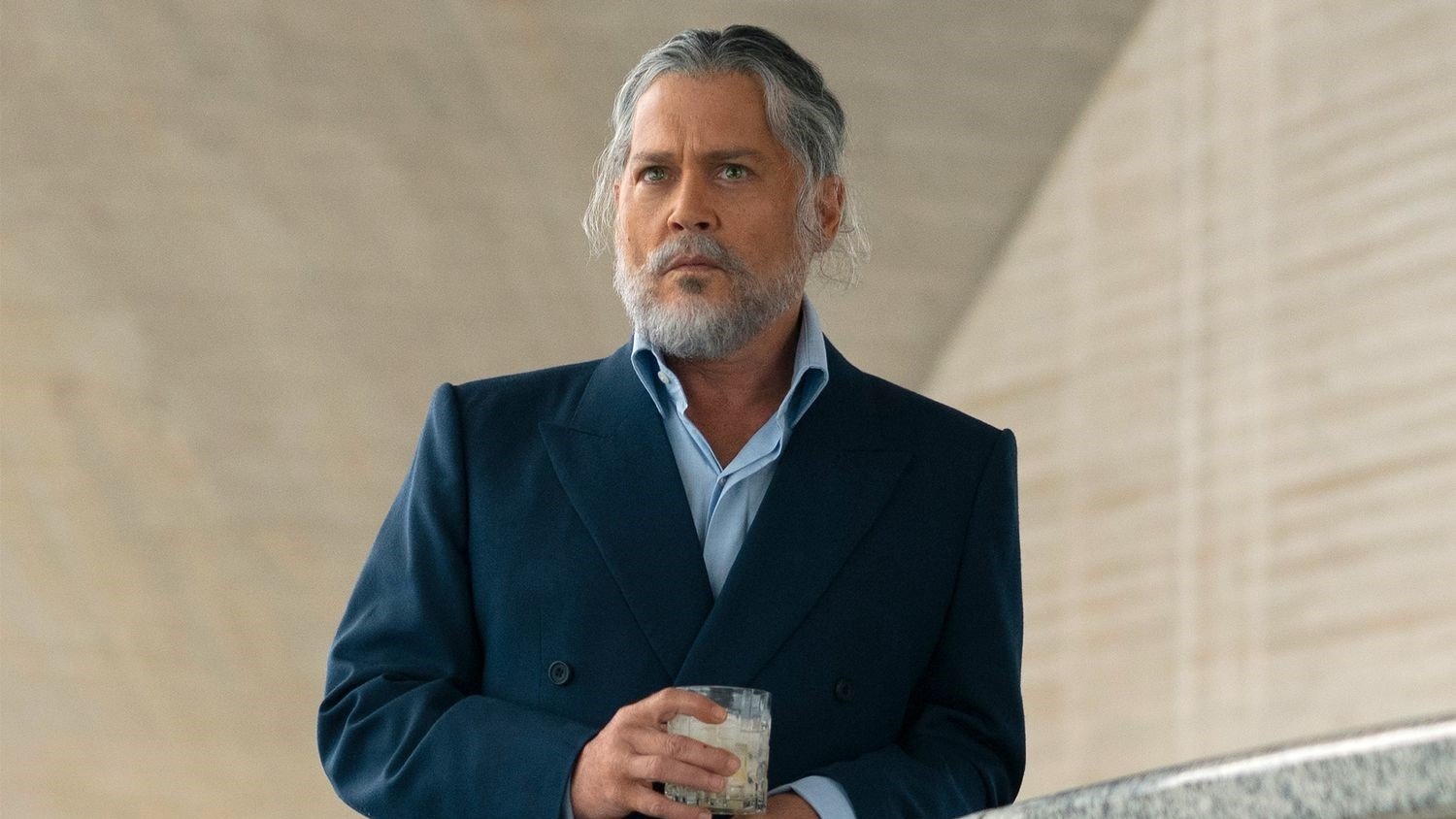
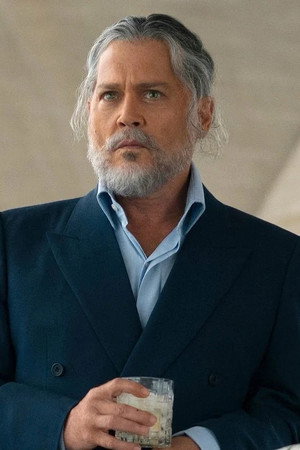


A cruise ship bartender meets a mysterious day drinker, only for both of them to find themselves entangled in a criminal underbelly and connected in unexpected ways.
John Fawcett’s "Ginger Snaps" intertwines the lore of the werewolf to the hellish experience of a young girl going through puberty.
There’s been a longstanding criticism of sci-fi films about its lack of Black characters. For the past few years, Anthony Mackie has been successfully representing Black masculinity in the otherwise homogenous genre and I am here for it.
With so many binge-worthy TV shows floating around and new ones constantly being released, I have compiled a list of some more recent TV shows that rank high on the diversity scale for both the cast and crew.
The plot could’ve really been interesting if the elements of lycanthropy was integrated with perhaps the struggle of identity of being LGBTQ+. It's an experience for so many that as they’re starting to realizing their true selves, they feel like a monster, especially if they come from unsupportive homes or communities. Instead, the horror and transformation elements seem thrown in without contemplation of how this could deepen the narrative.
It took writers D.B Weiss and David Benioff two years to give us a promising final season. Two. Years. It was just going to be six episodes, which was short considering that all the other seasons — except season 7 — were 10 episodes. 10. 6 wasn’t enough, and even HBO wanted to give the writers more episodes. More seasons, even. However, the writers wanted to get out of the show as quickly as possible to work on other projects. This abruptness is clearly shown in this season.