



Lighthearted but Shallow: 1Up's Take on Women in Gaming
In a post-Gamergate media landscape, it's ambitious to have a film confront the harsh reactions to women in gaming from a comedic lens.
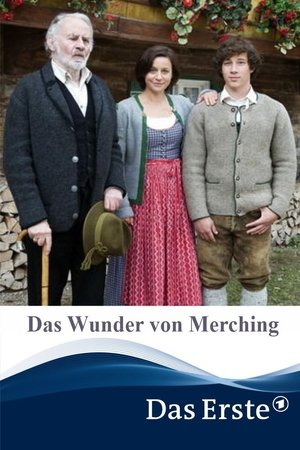


The people of Merchingen used to live from tourism, which has been at a standstill for years. With the incorporation, the idyllic provincial village is now threatened with the loss of its independence. In its hour of greatest need, a rumor spreads that the statue of the Virgin Mary in the local field chapel is shedding tears. This prompted skeptics, but an ecclesiastical investigation confirmed the authenticity of the supernatural apparition. The people of Merchingen rejoice, but the hardworking farmer's wife Kathi feels increasingly uncomfortable in her own skin, as she knows better than anyone else about the earthly origin of the divine sign.
In a post-Gamergate media landscape, it's ambitious to have a film confront the harsh reactions to women in gaming from a comedic lens.
The film's Incluvie rating is off the charts. It features Black, Muslim, queer, trans humans whose moms hold them up, fight for them, and love them for who they are...making anything possible.
Overall, Sand Castle was another lack luster war drama that will eventually fade into the many similar war dramas I have seen throughout my life.
An adventure that centers on freedom and captures viewers' hearts.
Anna May Wong was a talented actress and a fashion icon and still had to fight for everything she had due to hatred and racism.
Moonlight is a film that will certainly be remembered for how it won Best Picture, but the movie itself should be known for its excellent representation of one of the most underrepresented groups in film: Black, gay men.