TIFF ‘22 Coverage: ‘The Greatest Beer Run Ever’
The Vietnamese perspective is not only completely ignored in 'The Greatest Beer Run Ever', but it is blatantly whitewashed and disrespected.
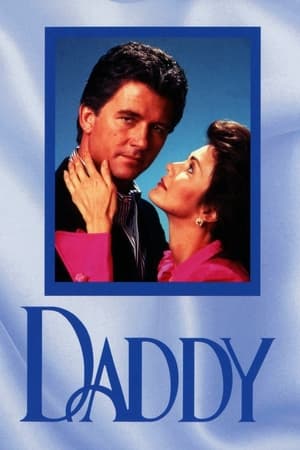


Oliver Watson has never been luckier: he is a successful advertising executive, shares a marriage of eighteen years with Sarah and has three loving kids: 17-year-old Ben, 15-year-old Melissa, and 9-year-old Sam. His perfect life suddenly falls apart when his wife Sarah announces that she wants to enter a graduate school 200 miles away from home, as she regrets that she gave up her bohemian protester's life and promising writing career to become the wife of a conservative traditionalist. Oliver unsuccessfully tries to save his marriage, until Sarah announces that she is seeing someone else. The children start acting out as a reaction and life is complicated by the death of Oliver’s mother and accepts a job in L.A. where he falls in love with Charlotte Sampson. Life again challenges Oliver when Charlotte is offered her dream job on Broadway.

Michael Miller
Director

Patrick Duffy
Oliver Watson
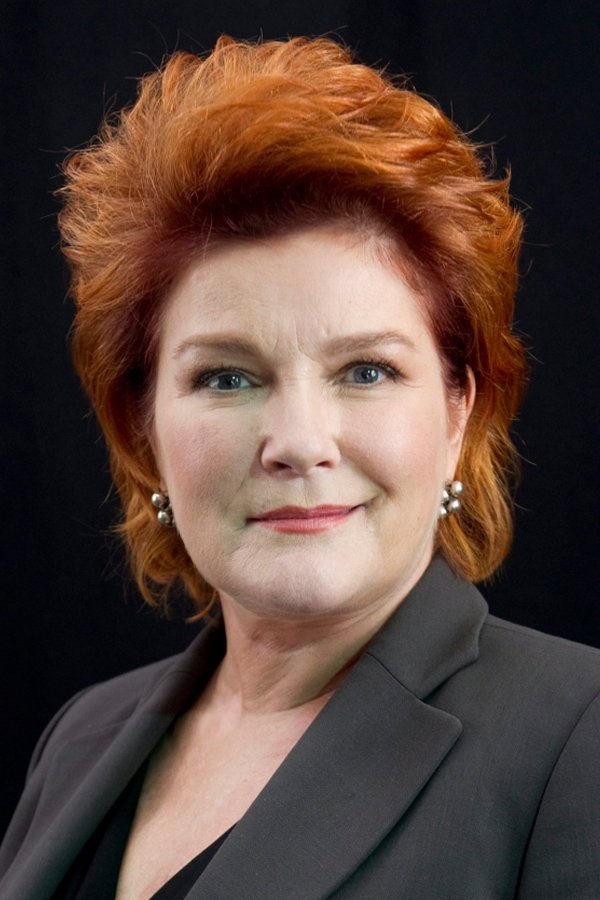
Kate Mulgrew
Sara Watson
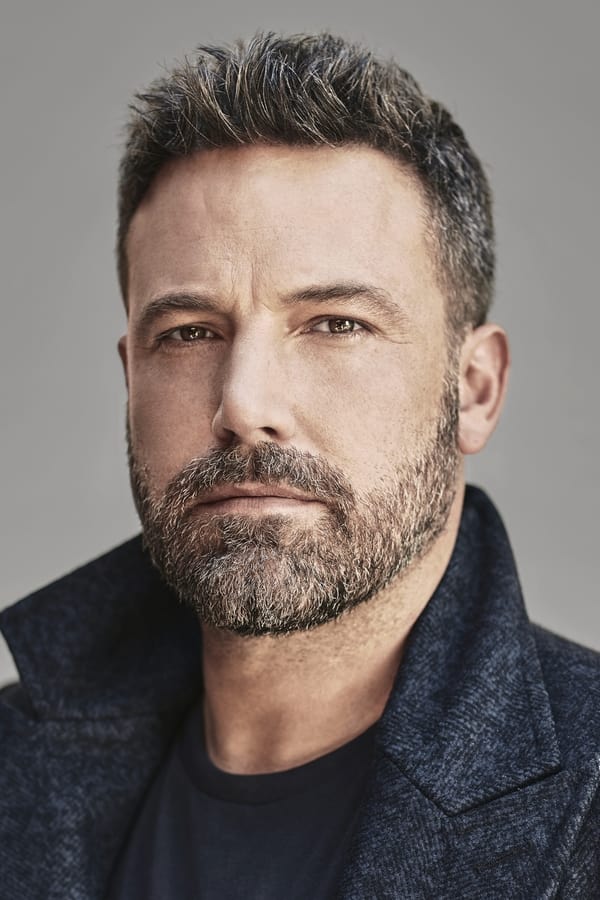
Ben Affleck
Ben Watson

Lynda Carter
Charlotte Sampson

John Anderson
George Watson

Jenny Lewis
Melissa Watson

Matthew Lawrence
Sam Watson
Robyn Peterson
Daphne Hutchinson

Richard McKenzie
Jeremy Bosworth
Georgia Emelin
Bobbi
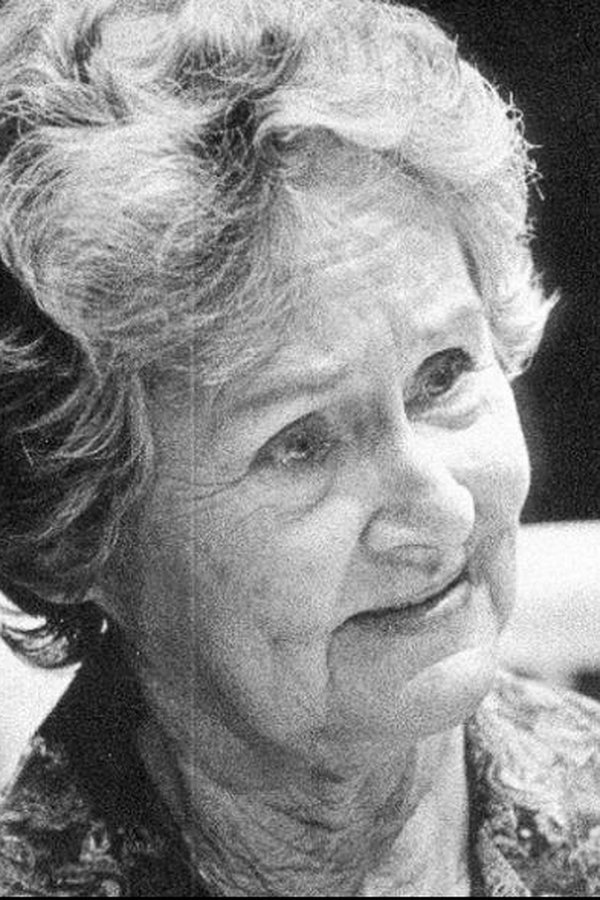
Gloria Dorson
Phyllis Watson
The Vietnamese perspective is not only completely ignored in 'The Greatest Beer Run Ever', but it is blatantly whitewashed and disrespected.
A film that focuses on an algorithm for a dating app that will bring viewers in for a surprise.
“Eleanor The Great” is a feel-good story that explores how we cope with grief and loss while educating us about the horrors of the Holocaust.
Throughout Brendan Fraser’s career, he has played a plethora of unique, layered characters who explore the importance of not being afraid to display your emotions, something that is often seen to not be a masculine trait. This idea of regulating emotion and what traits men are able to possess creates a toxic atmosphere for men who are often told they should not cry or represent their emotions in any physical way. These characters represent that men can be joyful, emotionally conscious, and sensitive, while also representing their masculine identity instead of painting those qualities as fighting against their masculinity.
'Legally Blonde' remains a standard of feminist filmmaking over two decades after its release, although its poor treatment of racial and sexual minorities make it a product of its time.
Writing great villains is about striking a balance between charming and evil, so we love them but also love to see them lose.