
Cut-out
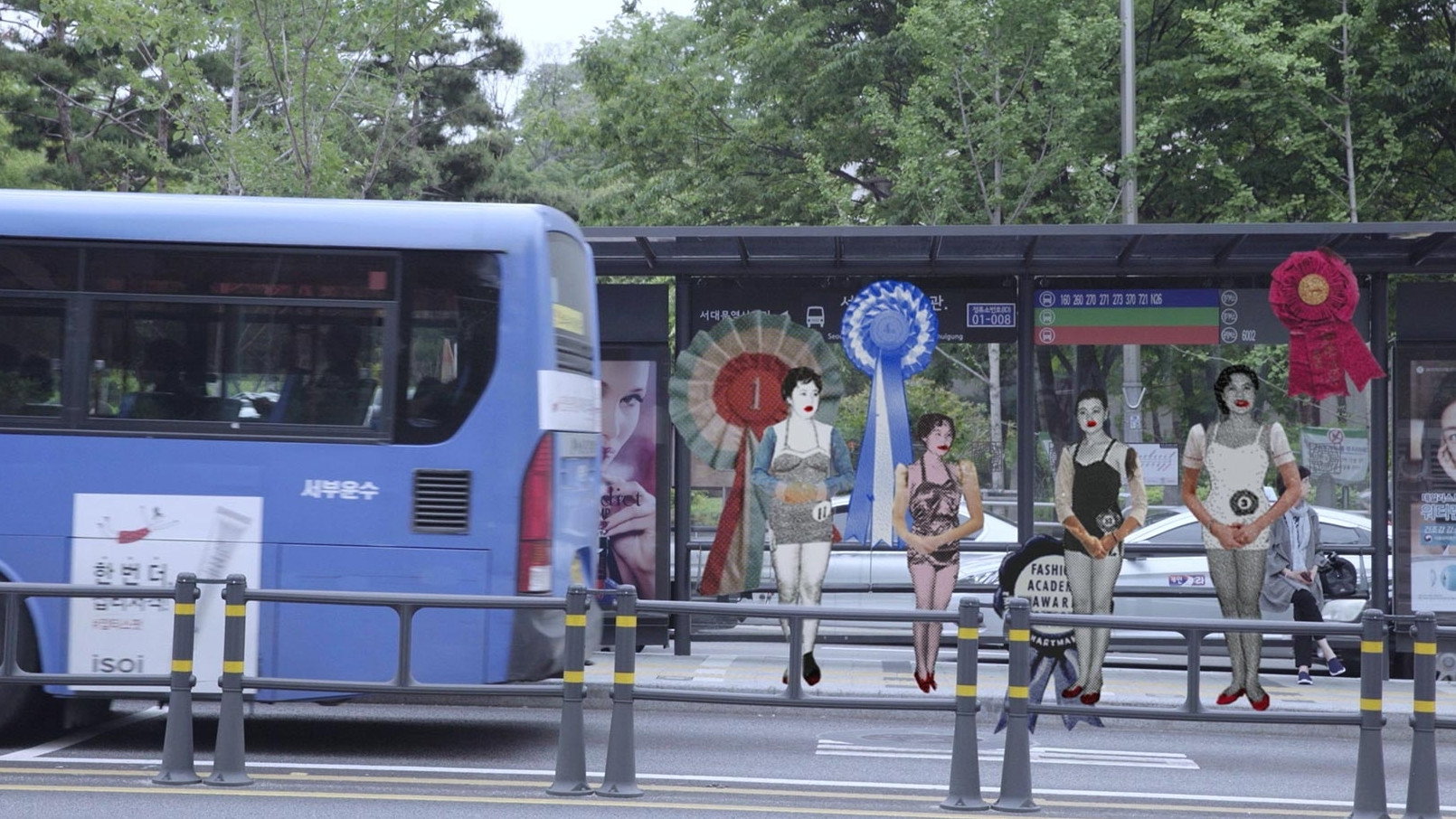
A mutilated and grotesque woman’s body chases after a man. The combination of the photomontage and text represents women’s labor, expressed through uniforms and clothes, and women who were sexually objectified, conveying feminist discourses and disciplines. The chased man never understands the existence or content of the images and texts. The blunt presentation of women’s unheard voices and objectified bodies, and the excessively-visualized images, demand immediate introspection.

- / 5
PopScore
Representation
Pictures and Videos

Movie Information
A mutilated and grotesque woman’s body chases after a man. The combination of the photomontage and text represents women’s labor, expressed through uniforms and clothes, and women who were sexually objectified, conveying feminist discourses and disciplines. The chased man never understands the existence or content of the images and texts. The blunt presentation of women’s unheard voices and objectified bodies, and the excessively-visualized images, demand immediate introspection.
Rating:
Genre:Documentary
Written By:
In Theaters:
Box Office:
Runtime:5 minutes
Studio:
Cast

Articles You May Like
'Moonlight': A Retrospective on Barry Jenkins' Masterpiece
Barry Jenkins' masterpiece holds up as the story of a lifetime centered on the intersection of Blackness and gay identity.
The Shrew Has Been Tamed in “The Devil Wears Prada 2” (2026)
My review’s title is a nod to Shakespeare and is entirely deliberate. The original movie portrayed the high-end fashion world as a brutal arena of plotting, backstabbing, and betrayal, and most Shakespeare’s plays depend on these plot devices. The Devil Wears Prada 2 uses the same formula, and is, plot-wise, almost identical. Once again, we plunge into the cutthroat world of Runway, where to get and stay at the top, you must let go of your principles and moral sense. The only thing different is that due to the digital era, Runway is not a print magazine anymore, but one that is running online.
Let's Make Way For the 'Wish Dragon'
A story of a magical dragon brings great representation for Chinese culture.
“Coyote vs. Acme” and People Power
We are incredibly blessed that this movie is available for us to see, and we should take advantage of the opportunity we’ve been given.