









What Does a Sympathetic Portrayal of Sexual Assault on Screen Look Like?
As Sexual Assault Awareness Month comes to an end, I’d like to urge viewers and filmmakers to take a long and hard look at how rape is portrayed on screen.
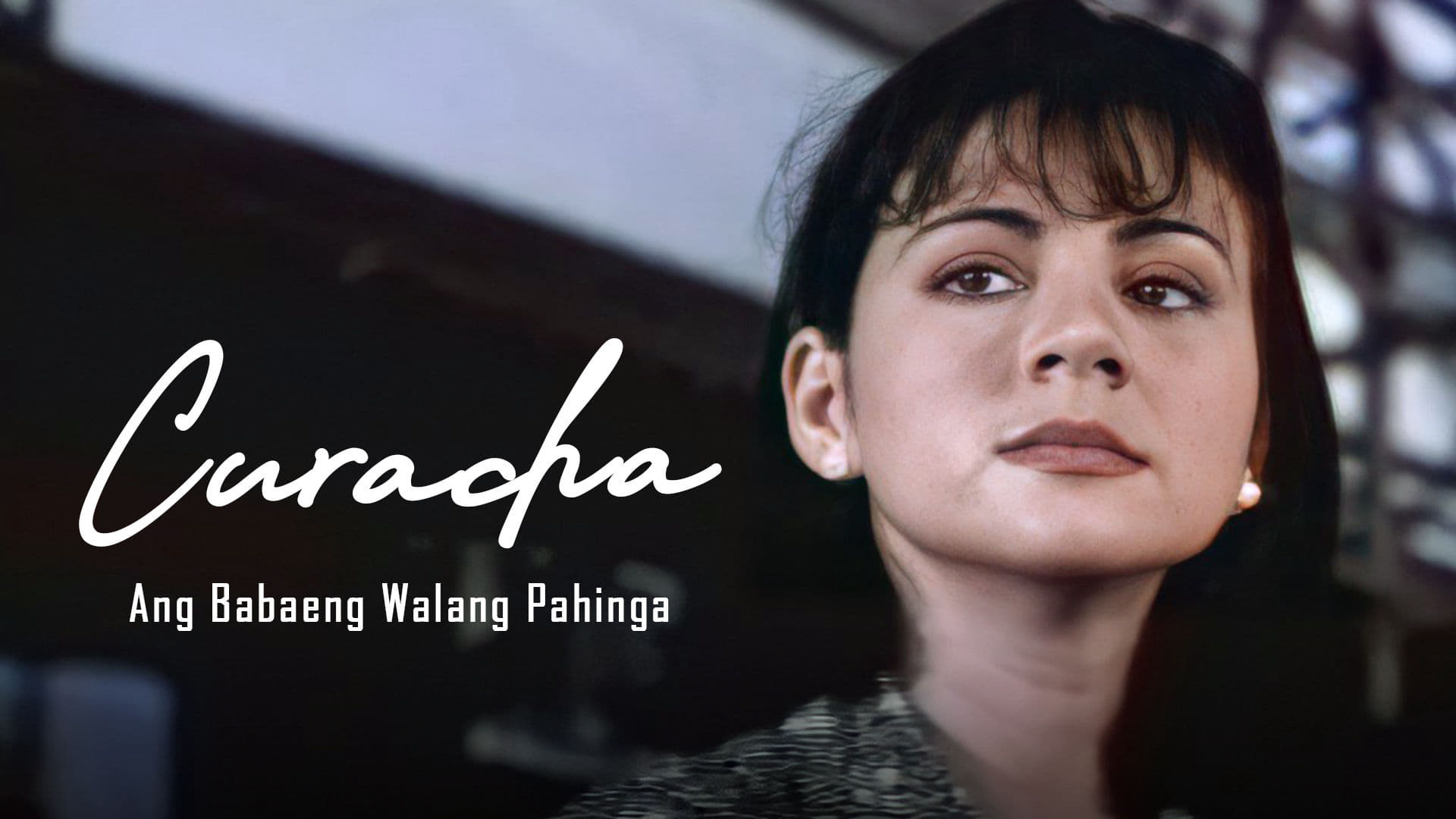
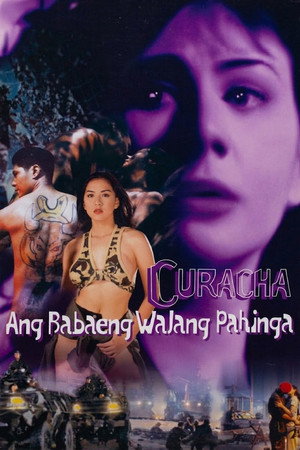


Curacha, a torera (live sex performer), finds herself trapped in an anomalous game of association between sex, life and death, and its political equivalent of sleaze, subservicence and power in drug-addled world. Every night, she sets off to join her fellow toreras for a midnight show of fun and kitschy live sex act. In one tuning point of her life, she bumps into a long-lost friend, Myrna, a former torera, who seems to have a lost grip on life. Curacha makes it her personal mission to save Myrna as she does some soul-searching herself. In the end, we see traces of hope glimmering somewhere, somehow, in a manner that escapes the restless Curacha.
As Sexual Assault Awareness Month comes to an end, I’d like to urge viewers and filmmakers to take a long and hard look at how rape is portrayed on screen.
Women who pray together, play together. Very rarely would I describe a story about a group of punk rockers as “whimsical”, but such an engaging array of visual and comedic components make this stand-out new series the star that it is.
The sequel to the first film, A Second Chance: Rivals! talks about Maddy combating cyberbullying and racism.
Shudder’s Host (not a particularly original title, I must say) attempts to bring the spooks to “the quarantine generation” by presenting us with a scary Zoom call during lockdown.
With so many Disney remakes out and about in the world and loosed upon Hollywood cinema, there is one Disney film that truly needs to be seen and witnessed on the big screen: Princess and the Frog.
When the retelling of the Cinderella fairy tale and a holiday spirit come together, viewers learn about class issues as well as perseverance despite setbacks.