It’s a bird, it’s a plane…it’s "Harriet"!
This is not a story of oppression but a story of liberation.
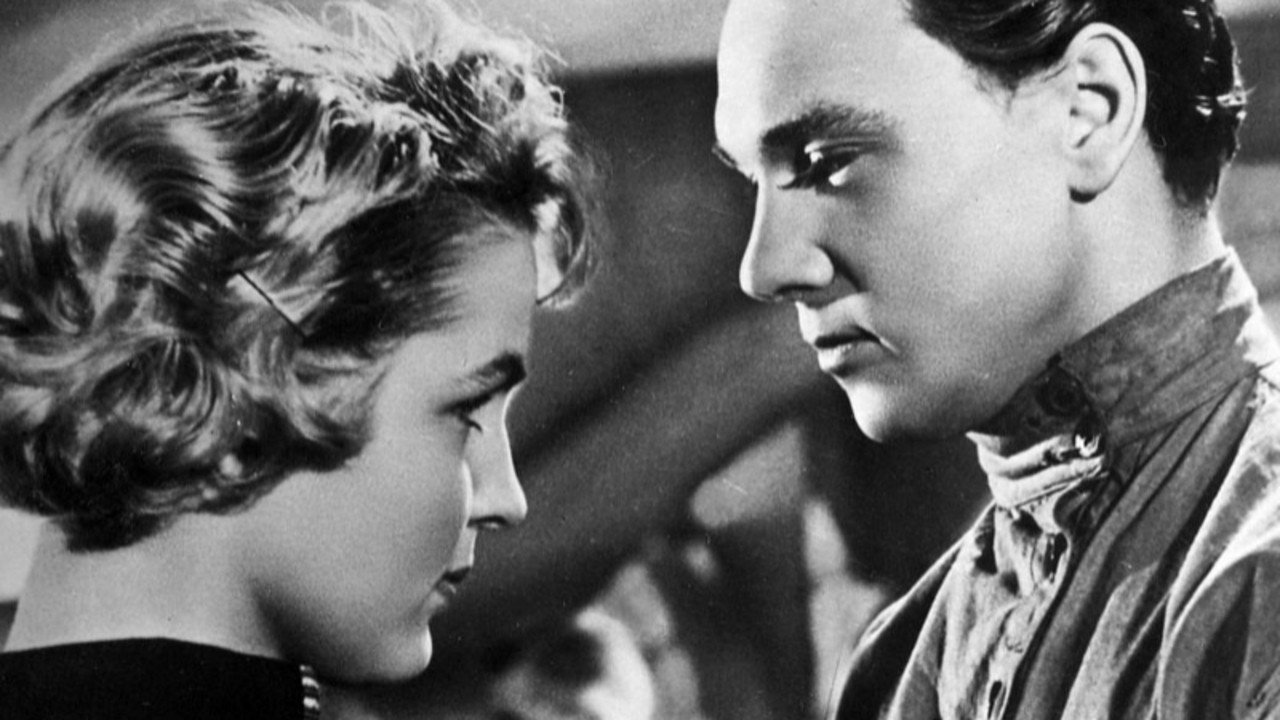



The first years of Soviet power in East Siberia. Malyshev ,deputy chief of Criminal Investigation Department, a Komsomol member, wins over to the Soviet power a former field-hand and now a bandit Lazar Baukin, and the latter tells him about Vorontsov, the gang leader. Malyshev guarantees Baukin’s freedom. However the chief arrests him in order to reap laurels of catching the gang leader. Malyshev is in despair - he has brought under execution the man who has fully trusted him. The situation gets worse due to his personal drama and Malyshev commits suicide.
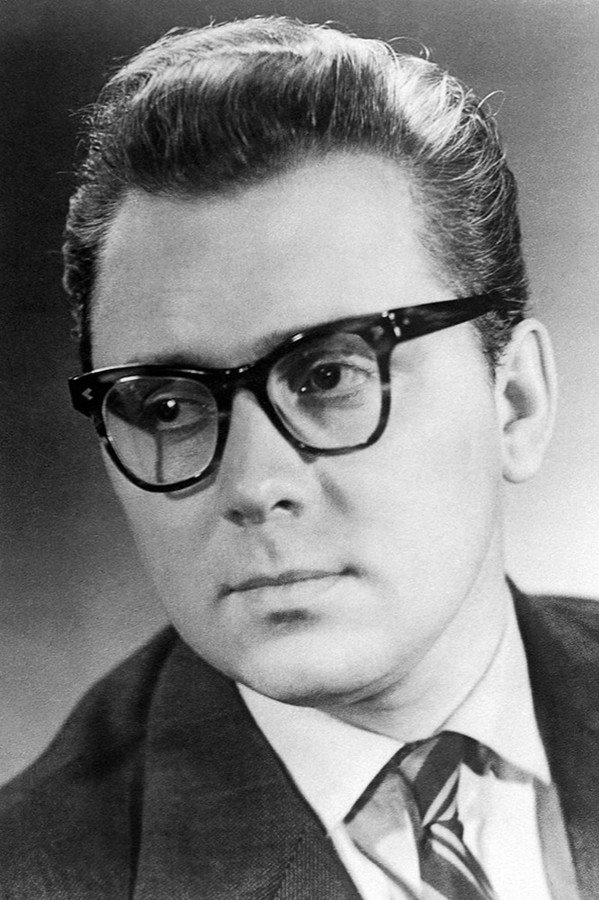
Vladimir Skuybin
Director


Georgiy Yumatov
Венька Малышев

Nikolay Kryuchkov
Ефрем Ефремович, начальник УГРо

Boris Andreyev
Лазарь Евтифьевич Баукин

Aleksandr Susnin
Санька, сотрудник УГРо (от имени которого ведется повествование)

Vladimir Andreyev
Яков Узелков, корреспондент

Klavdiya Khabarova
Кланька Звягина, любовница Воронцова

Apollon Yachnitskiy
Константин Иванович Воронцов, главарь банды

Margarita Zhigunova
Юлька Мальцева, медсестра

Nikolay Pogodin
сотрудник угрозыска

Vyacheslav Bogachyov
сотрудник угрозыска
Alexei Korotyukov
сотрудник угрозыска
This is not a story of oppression but a story of liberation.
If you remember the days of the 24 hour Overnight Challenge on YouTube, Secret Mall Apartment will tickle your nostalgia receptors.
"13 Going on 30" tracks the tricky transition from adolescence to adulthood.
An enchanted school for young heroes and villains brings the battle between good and evil in this fantasy movie.
Sorry to Bother You ultimately speaks to the unfair advantages that the country’s power structures award to those with the resources to control others, as Lift’s easy access to the media allows his opinion to be the only one that matters in the eyes of the unsuspecting and easily impressed public. Moreover, it reveals the extent to which the American Dream has any true validity. It postulates how the promise of success and fulfillment as promoted by the American Dream more often than not leads to the undoing of the individual. Interestingly, in its revealing of the American Dream as merely a facade, Sorry to Bother You wisely questions whether or not anything can really be done to undo a system that has been accepted and in action for centuries.
The short documentary and second place winner of the Incluvie Short Film Festival, Gender Outlaw: A Bodysurfing Story, challenges any simplistic understanding of trans people.