



Incluvie – Better diversity in movies.
Identity in film with Incluvie stamps, scores, reviews.

Incluvie – Better diversity in movies.
Explore identity in film with Incluvie stamps, scores, reviews, and insights.

trailer banner
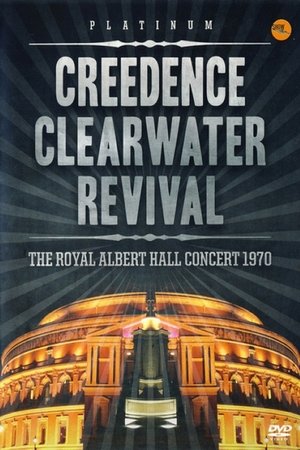
Creedence Clearwater Revival: The Royal Albert Hall Concert 1970 poster

Creedence Clearwater Revival: The Royal Albert Hall Concert 1970 (2011)

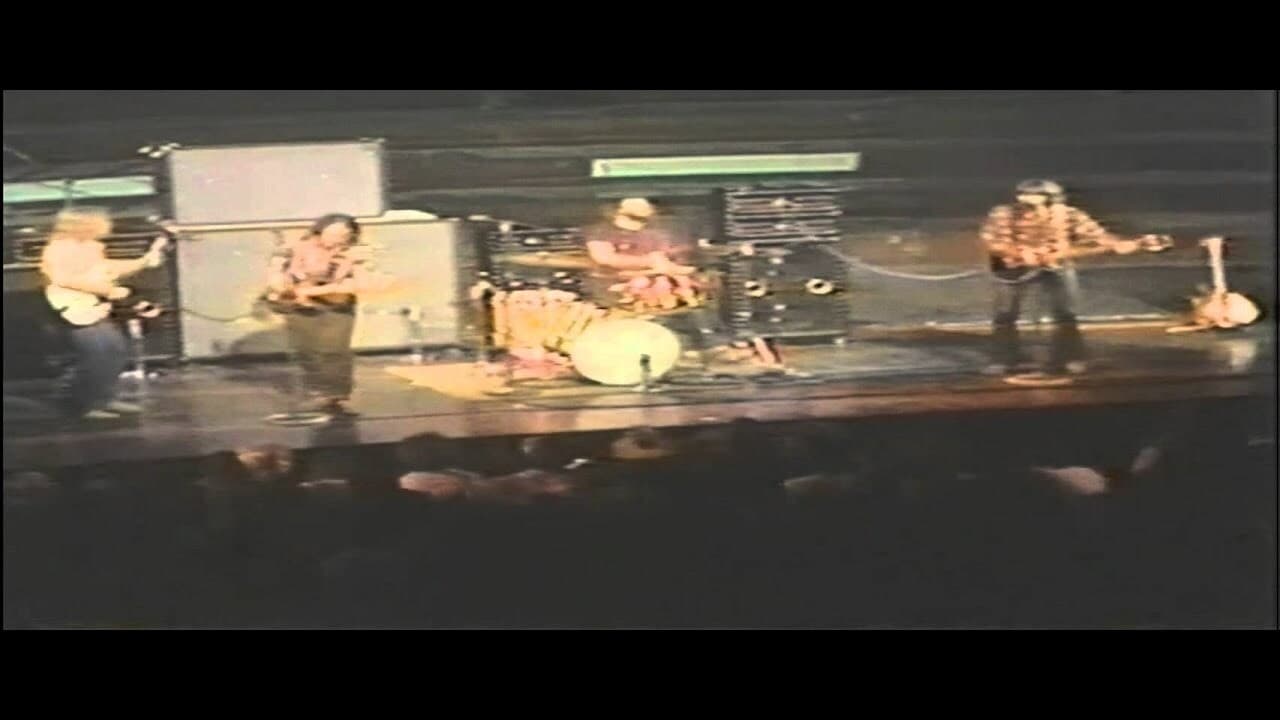
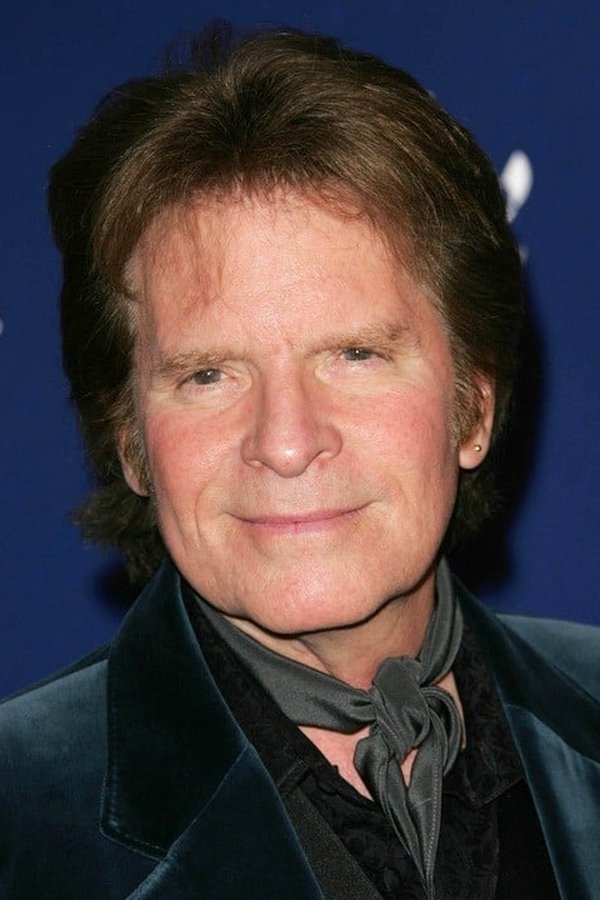
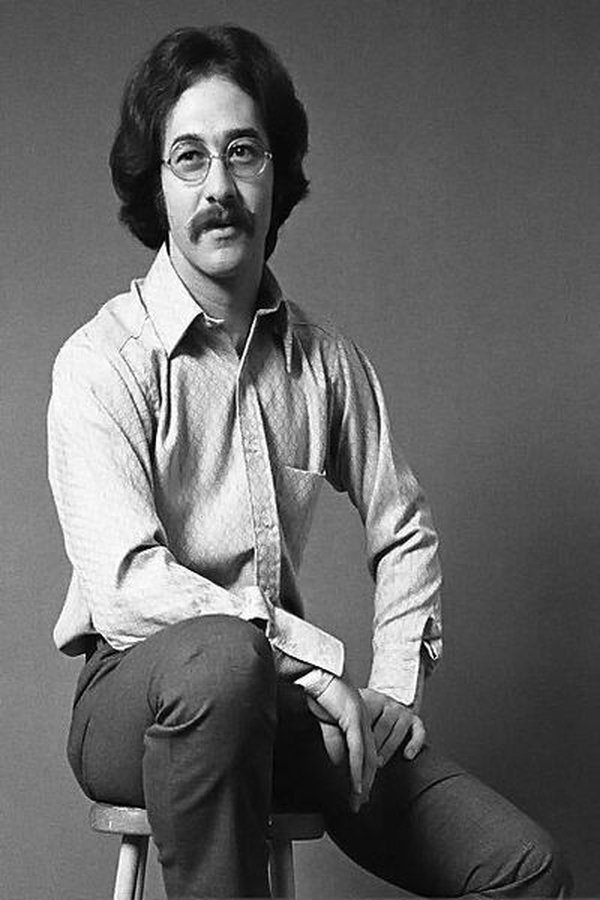
Creedence Clearwater Revival (sometimes shortened to Creedence or CCR) was an American rock band popular in the late 1960s and early 1970s. The band consisted of lead vocalist, lead guitarist, and primary songwriter John Fogerty, rhythm guitarist Tom Fogerty (John's brother), bassist Stu Cook, and drummer Doug Clifford. Their musical style encompassed the roots rock and swamp rock genres. Despite their San Francisco Bay Area origins, they portrayed themselves as Southern rock stylists, singing about bayous, catfish, the Mississippi River, and other popular elements of Southern iconography.
- / 5
PopScore
Representation

Pictures and Videos


Incluvie Gala

Movie Information


Creedence Clearwater Revival (sometimes shortened to Creedence or CCR) was an American rock band popular in the late 1960s and early 1970s. The band consisted of lead vocalist, lead guitarist, and primary songwriter John Fogerty, rhythm guitarist Tom Fogerty (John's brother), bassist Stu Cook, and drummer Doug Clifford. Their musical style encompassed the roots rock and swamp rock genres. Despite their San Francisco Bay Area origins, they portrayed themselves as Southern rock stylists, singing about bayous, catfish, the Mississippi River, and other popular elements of Southern iconography.

Rating:
Genre:Music
Directed By:
Written By:
In Theaters:1/19/2011
Box Office:

Runtime:52 minutes
Studio:

Articles You May Like


Who Needs 'Independence Day' When You've Got 'Sorry to Bother You'?

Sorry to Bother You ultimately speaks to the unfair advantages that the country’s power structures award to those with the resources to control others, as Lift’s easy access to the media allows his opinion to be the only one that matters in the eyes of the unsuspecting and easily impressed public. Moreover, it reveals the extent to which the American Dream has any true validity. It postulates how the promise of success and fulfillment as promoted by the American Dream more often than not leads to the undoing of the individual. Interestingly, in its revealing of the American Dream as merely a facade, Sorry to Bother You wisely questions whether or not anything can really be done to undo a system that has been accepted and in action for centuries.

Matt Geiger