


“Selena: The Series,” a Small Disservice to Selena’s Legacy
'Selena: The Series' loses sight of the story's heart: Selena herself.

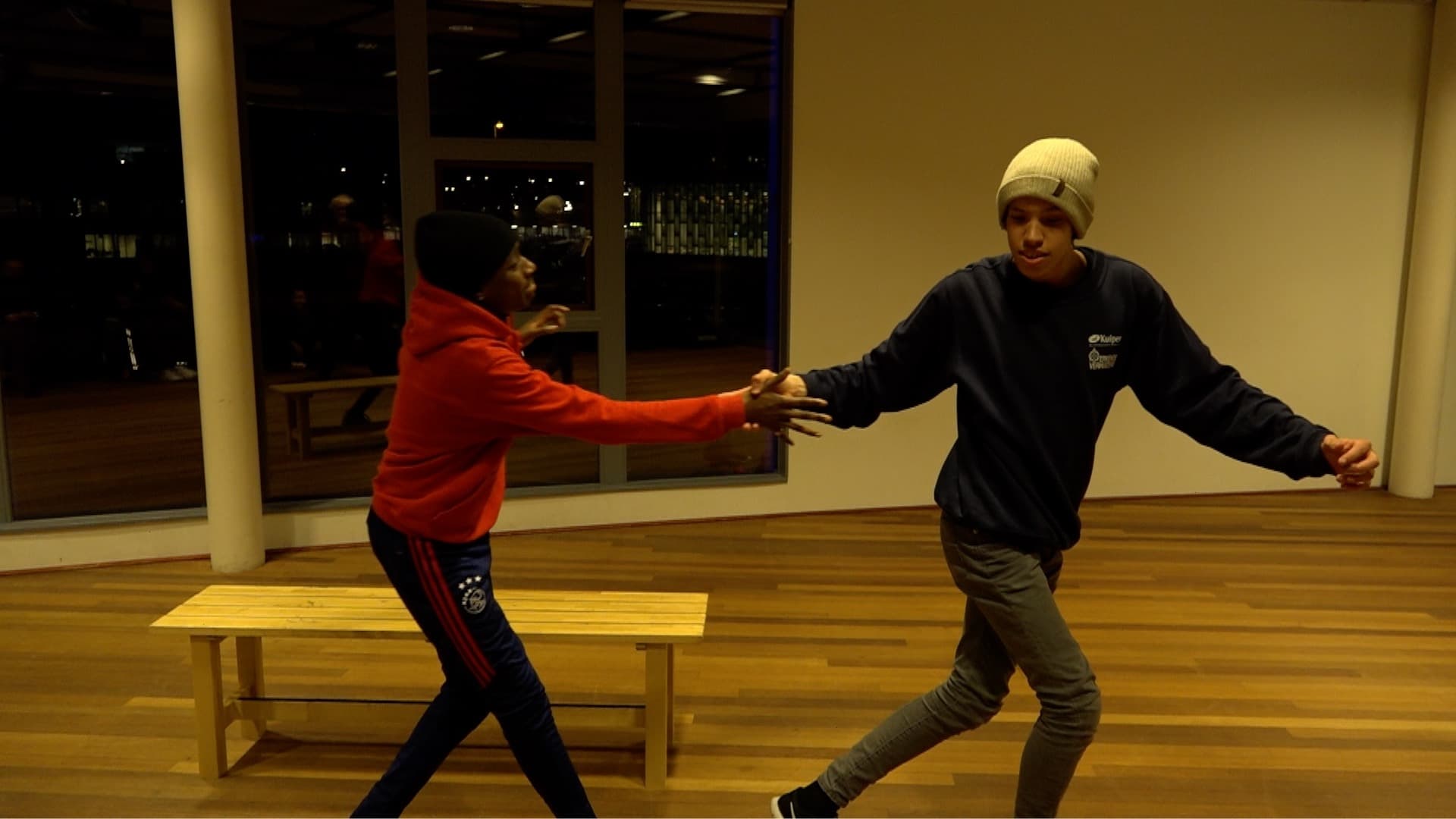
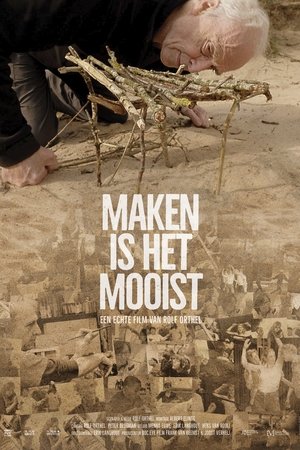
People who create explore, and get to know themselves and others better. In this cinematographic essay, Rolf Orthel looks for the meaning of creating, with reality or the memory of it as a starting point and a train journey as a meandering ribbon through the film. We see the first musical steps of primary school children and youngsters at Jeugdtheaterschool Zuid-Oost. We see what talent does to you when a conservatory student practices for his graduation, when someone paints a remarkable self-portrait or when Konvooi creates a thrilling play. This is high-level creation which makes you wonder how on earth it is possible that you can suddenly be enchanted and moved. The conclusion of Orthel’s search? Creating things is the best.
'Selena: The Series' loses sight of the story's heart: Selena herself.
A recent look at gender and racial diversity in film shows some signs of progress. However, white men still make up the vast majority of actors and directors in top-grossing films.
Severance is about breaking down facades and confronting old models that were once frameworks of our lives. The somewhat subtle message to me is it’s never too late to fall in love, no matter your insecurities.
Steven Spielberg's West Side Story (2021) improves on the original's terrible representation, poorly written romance, and more. --> check out reviews & film summary
The French-born director Laure de Clermont-Tonnerre’s strategic choice to entrust the interpretation of a conventional, feminine character to a non-binary actor pays off: Corrin’s Lady Chatterley is awkward, edgy, and uninhibited at the same time.
The second season arrives over three years after its first. While late on arrival, most audience members will be happy.