
'Tár' — The Monster's Side of Paradise
A film for the post-MeToo era that inverts the narrative with an ironic coda, Tár depicts the duality of a sensitive artist capable of great evil and vile manipulation.
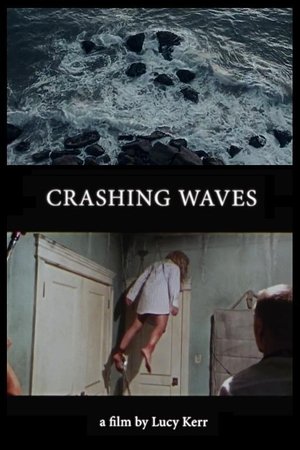


While images produced for Hollywood appear slick and controlled, a stunt performer's testimony in Crashing Waves reveals otherwise, as they parse out all of the elements that go into a car crashing off a cliff and diving into the water for a TV show. Though the image produced and edited creates a split-second moment of violence for the viewer's pleasure, Crashing Waves uncovers the months of labor, training, and danger that the stunt involved, contingent on capitalist, patriarchal hierarchies in the film industry. The film meditates on the stakes of the real in the dominant culture's production of images and emphasizes the importance of the ethics of care.
A film for the post-MeToo era that inverts the narrative with an ironic coda, Tár depicts the duality of a sensitive artist capable of great evil and vile manipulation.
Tran Quoc Bao succeeds in telling us a story about martial arts, human decay, and friendship. The originality shown by his filmmaking is admirable and brings fresh air to the classic Chinese martial arts genre.
While it initially sounds nothing like 'Nope,' the focus on recording/sharing everything—especially trauma—for profit makes Hulu's 'Not Okay' similar to Jordan Peele’s newest movie.
Remakes. Reboots. Reinventions. Redundancy. It's the common practice in Hollywood of late, sometimes offering us victorious reimagining of what can be considered cinematic classics while also, more often, falling flat on their UN-imaginative faces in utter defeat and lackluster results. Admittedly, with this in mind, I went into the newest incarnation of "The War of the Roses" with typical trepidation and cautious optimism.
After years of mediocrity, Thunderbolts* is the welcome change MCU fans were waiting for.