

"Snatching trophies? I am a trophy." Trixie Mattel: Moving Parts
World-famous drag queen Trixie Mattel shares a year of her life with the world in this vulnerable and uplifting documentary.
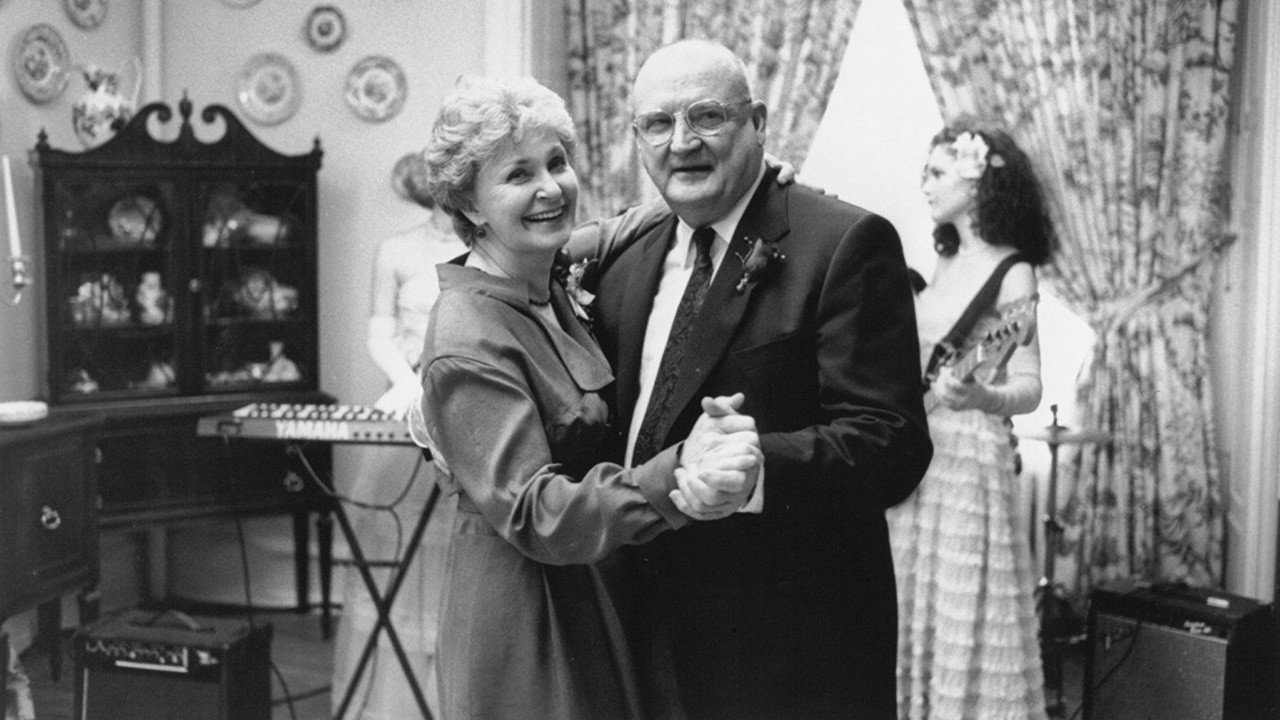



Robert Castle is the idealistic pastor of St. Mary's Episcopal Church in Harlem, and also the cousin of filmmaker Jonathan Demme. Demme's affectionate portrait of his cousin traces Castle's story, beginning with his first parish assignment, in New Jersey in the early 1960s, in an increasingly African-American-populated neighborhood rocked by violence and civil rights protests. The film raises intimate discussions of race, faith and family, while also showing Castle's daily routine as a pastor.
World-famous drag queen Trixie Mattel shares a year of her life with the world in this vulnerable and uplifting documentary.
Throughout Brendan Fraser’s career, he has played a plethora of unique, layered characters who explore the importance of not being afraid to display your emotions, something that is often seen to not be a masculine trait. This idea of regulating emotion and what traits men are able to possess creates a toxic atmosphere for men who are often told they should not cry or represent their emotions in any physical way. These characters represent that men can be joyful, emotionally conscious, and sensitive, while also representing their masculine identity instead of painting those qualities as fighting against their masculinity.
Villeneuve’s Dune is a masterpiece for its crafting process, but references to David Lynch's picture are sometimes too obvious.
'Barbarian' is horror infused with something ridiculous that makes the whole thing entertaining.
Unknown Origins promises a cool spin on superheroes and serial killers, but ultimately delivers cheap comedy.
Based on the true story of activist and paralegal Erin Brockovich, the titular film charts her incredible story of success.