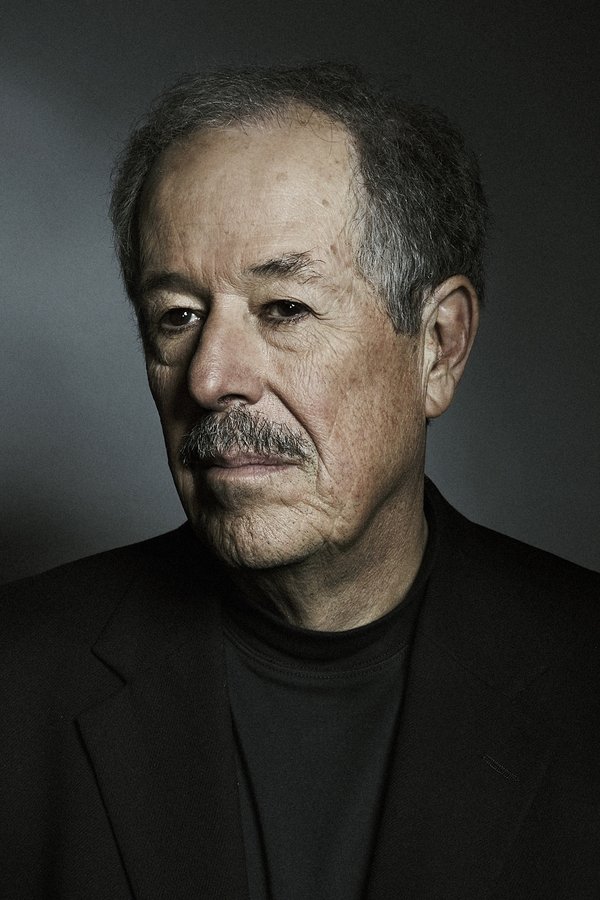

A Haunting Portrayal of Motherhood in "The Lost Daughter"
'The Lost Daughter' doesn't paint over the choices Leda and Nina make as mothers as right or wrong but examines the messy in-between.
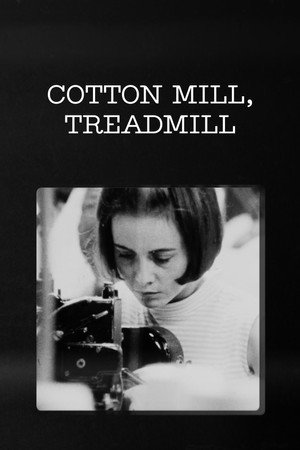


Director Denys Arcand made an inquiry on textile industry in Quebec, meeting employers and workers of that industry.
'The Lost Daughter' doesn't paint over the choices Leda and Nina make as mothers as right or wrong but examines the messy in-between.
The social issues The Half of it takes on are handled well, between the antagonization brought on to Ellie for her race and the conflict that arises from her being gay. Both aspects of her character are built up over the course of the film and don’t seem abrupt or rushed. The film shows racism towards Ellie and her and father in varying levels, from having her schoolmates specifically address her as "Chinese girl” to the fore mentioned way her Dad is treated due to language barriers. The same can be said about Ellie being a lesbian. While she never truly “comes out” in the narrative, that does not undermine her journey of self-discovery from being meaningful. These ideas aren’t thrust upon the viewer in a preachy manor, the scenarios that occur feel believable given the rural setting. The film presents watchers with problems whom those like Ellie may face, and leaves us to sit with them and reflect.
The original Mothra is a fun monster movie that has way stronger lore, music, and special effects than most of its contemporaries.
Ant-Man is a 2015 live action film based on the Marvel Comics characters of the same comics series, including Scott Lang and Hank Pym, along with others.
The assassins in Bullet Train are quirky, deadly, and diverse. Yet, they all seem to be some type of caricature. While the movie is fun and action-packed, it’s also packed with stereotypes that don’t make for the best representation.