

'The Royal Treatment' Comes to Manhattan
Izzy and Prince Thomas learn that taking control of their own destiny requires following their hearts and making their own decisions.

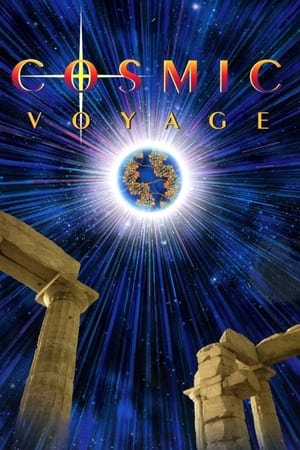


The Academy Award® nominee Cosmic Voyage combines live action with state-of-the-art computer-generated imagery to pinpoint where humans fit in our ever-expanding universe. Highlighting this journey is a "cosmic zoom" based on the powers of 10, extending from the Earth to the largest observable structures in the universe, and then back to the subnuclear realm.
Izzy and Prince Thomas learn that taking control of their own destiny requires following their hearts and making their own decisions.
This coming-of-age musical features a strong representation of LGBTQ+ individuals coming-of-age.
Essentially 'Get Out' but for white women, 'Don't Worry Darling' has strong material with its twist reveal, but the writing and directing falter trying to execute it.
The film follows the biblical story of Moses, from his time as a prince of Egypt, to a leader for the people of Israel. It’s a film that works brilliantly in animation, and is one that both children and adults can; enjoy despite its religious contexts, it is friendly to general audiences.
Want a list to watch some of the best Japanese anime films of all time? Check out this article which presents some anime films that will keep you glued to your couch!
Many call 'Tragedy Girls' a modern-day 'Heathers', and I do see the resemblance. The film asks the same question that all teenagers suffer with: who am I? Well, the movie answers this — you are your online presence.