

A Lesbian Breakdown of "Honey, Don't!"
It's sexy, regardless of what else is going on.
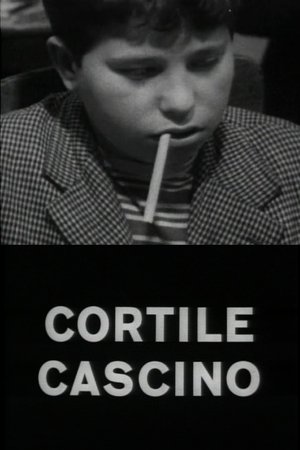


This long-suppressed and controversial documentary was produced in 1961 for network television but never broadcast. Co-mingling cinema verité and narrative techniques, the film offers a sensitive but critical look at the slum called Cortile Cascino in the center of Palermo, Sicily where poverty and early death are constants and where the church and the Mafia compete for the inhabitants' fealty. The established church, largely ignoring the plight of its parishioners, nonetheless voices its outrage when a faith healer draws large crowds. The Mafia runs an illegal slaughterhouse and controls the concession to funerals but also distributes free food to the district's hungry residents. In the face of relentless adversity, the women provide the only stabilizing force. The neighborhood's despair is tragically foregrounded in a sequence depicting the burial of baby who died of malnutrition. The soundtrack is composed of comments by the people, recorded and translated by the filmmakers.
It's sexy, regardless of what else is going on.
Written and directed by Eva Victor, who also plays Agnes, the main character, Sorry, Baby is slow and artsy, but extremely effective. It shows how the trauma developed after a sexual assault has a ripple effect and loudly echoes in the victim and her life for years after.
A collection of the ten best films that captured William Shakespeare’s pathos the best, both for the diversity they bring, and of course “the aesthetic."
Disney’s Hunchback of Notre Dame is a unique film coming from the same studio that brought us The Little Mermaid and Aladdin. While it does have its silly moments to maintain Disney’s family-friendliness, it also carries themes that stick to audiences years after its release.
"Beef" is a new dark comedy with a near entire Asian-American cast
The documentary depicts the indigenous people of Mexico with sublime reverence, highlighting a generational harmony with the land.