‘Palmer’: Tearing Down Gender Stereotypes
When Eddie Palmer is released from prison he returns home and he meets Sam, soon becoming his primary caregiver.




Henri Serin (Jean-Pierre Marielle), an umbrella salesman, leads a quiet life between his work, his family and his passion for painting. During his many business trips, Henri indulges in a few amorous escapades, which provide a welcome change from the tiresome daily routine his bigoted wife locks him into. One fine day, Henri decides to drop everything and live on love and fresh water. He ends up in Pont-Aven, where he meets Émile, a local painter imitating Gauguin, with whom he shares his drinking and other feminine attractions.

Joël Séria
Director


Jean-Pierre Marielle
Henri Serin, umbrella representative and painter

Claude Piéplu
Pilgrim / Peddler

Jeanne Goupil
Marie, maid

Dolores McDonough
Angela, frivolous young Quebec woman

Romain Bouteille
Vicar

Andréa Ferréol
Mrs. Licquois, client in the portrait
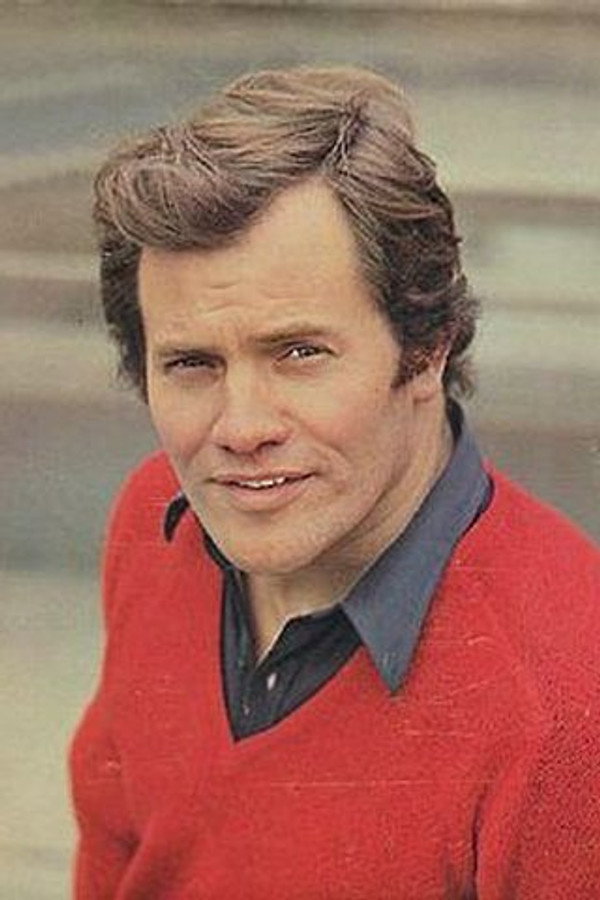
Bernard Fresson
Émile, professional painter

Martine Ferrière
Sister of the pilgrim / peddler

Gisèle Grimm
Mrs. Serin, Henri's wife

Louison Roblin
Merchant of the first shop

Dominique Lavanant
Marie Pape, prostitute in Breton costume
When Eddie Palmer is released from prison he returns home and he meets Sam, soon becoming his primary caregiver.
For those tranquil houses with white fences, what is happening behind every closed door?
When Juana tries real sushi for the first time, she is immediatley smitten by it and discovers a passion she never knew she had.
The plot could’ve really been interesting if the elements of lycanthropy was integrated with perhaps the struggle of identity of being LGBTQ+. It's an experience for so many that as they’re starting to realizing their true selves, they feel like a monster, especially if they come from unsupportive homes or communities. Instead, the horror and transformation elements seem thrown in without contemplation of how this could deepen the narrative.
Weird has a name and it's, Weird Al. 'Weird: The Al Yankovic Story' makes you want to "Eat it" then "Beat it".
I’m still trying to comprehend the psychological and moral implications of their fascination with each other, or why their almost written-in-the-stars depth of connection makes so much sense.