“Disclosure Day” and Anthropocentrism
Disclosure Day asks us to question humanity's role in the universe but falls victim to the same assumptions of centrality.
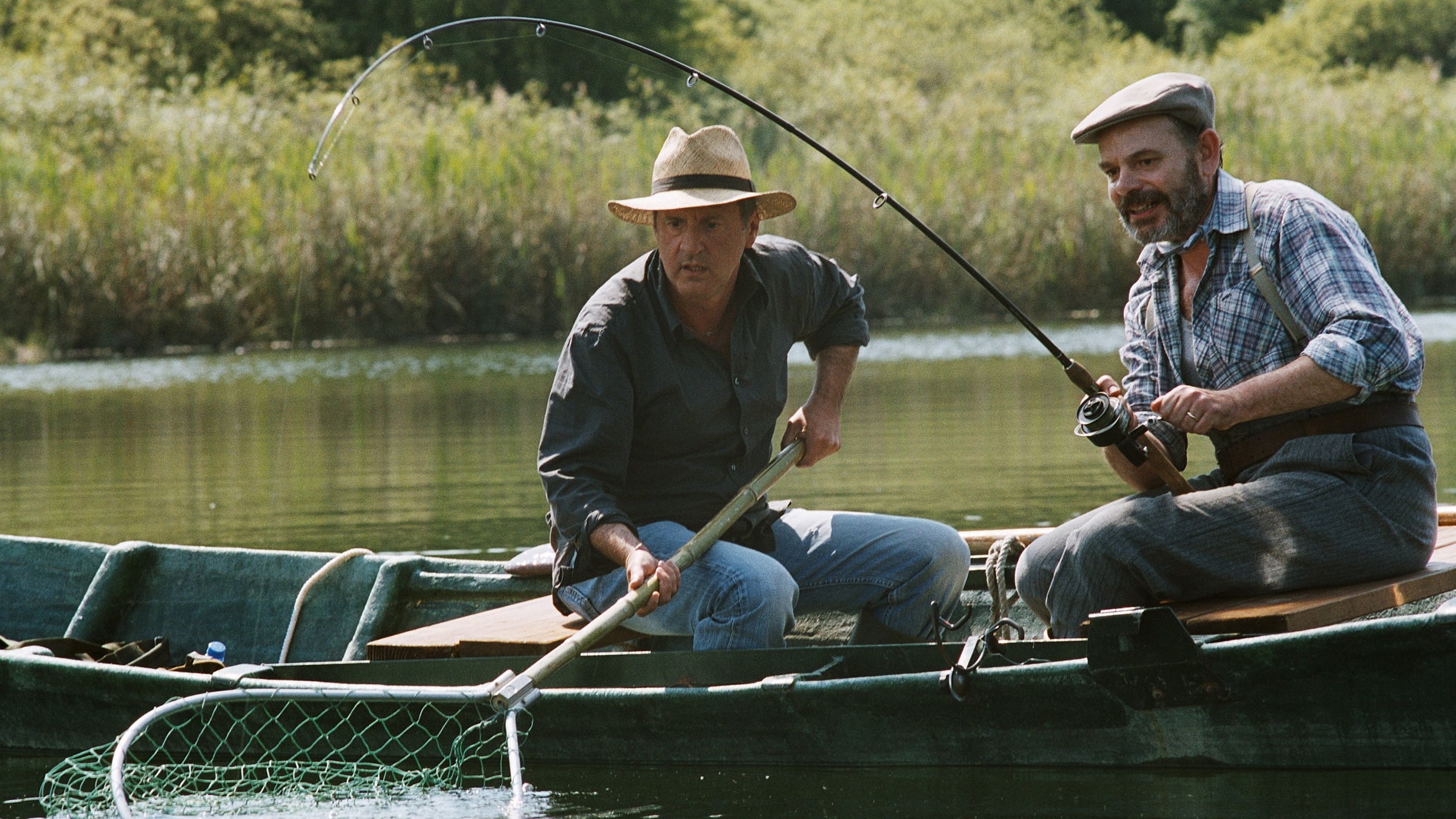
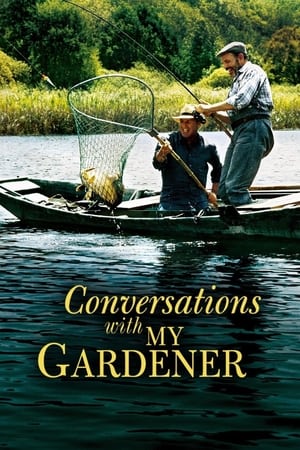


A successful artist, weary of Parisian life and on the verge of divorce, returns to the country to live in his childhood house. He needs someone to make a real vegetable garden again out of the wilderness it has become. The gardener happens to be a former schoolfriend. A warm, fruitful conversation starts between the two men.
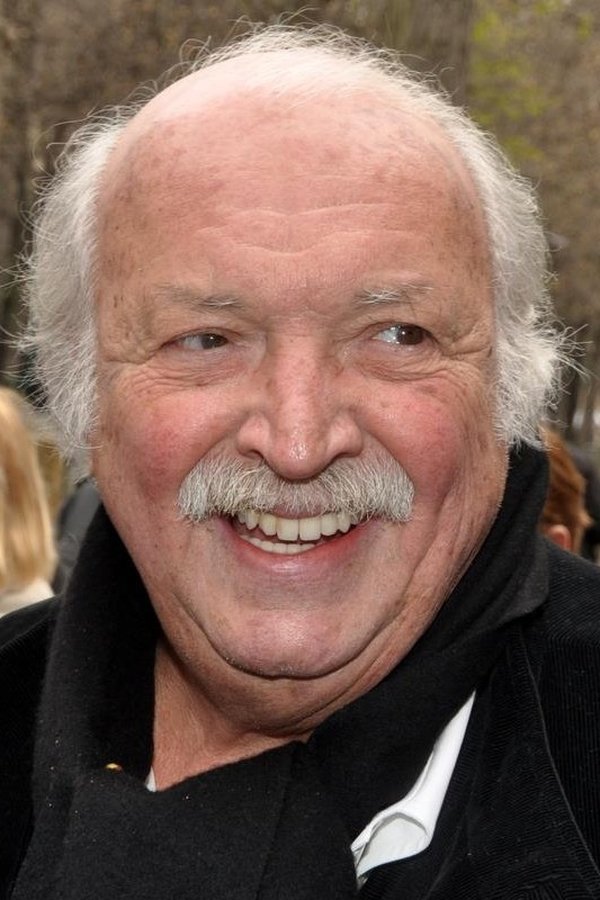
Jean Becker
Director

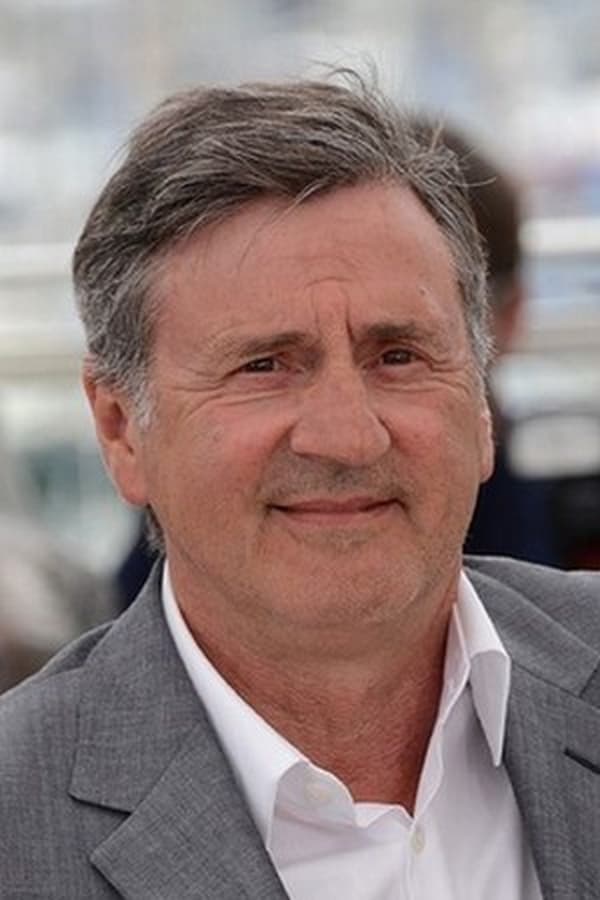
Daniel Auteuil
The painter, aka 'Dupinceau'

Jean-Pierre Darroussin
Léo, the gardener aka 'Dujardin'
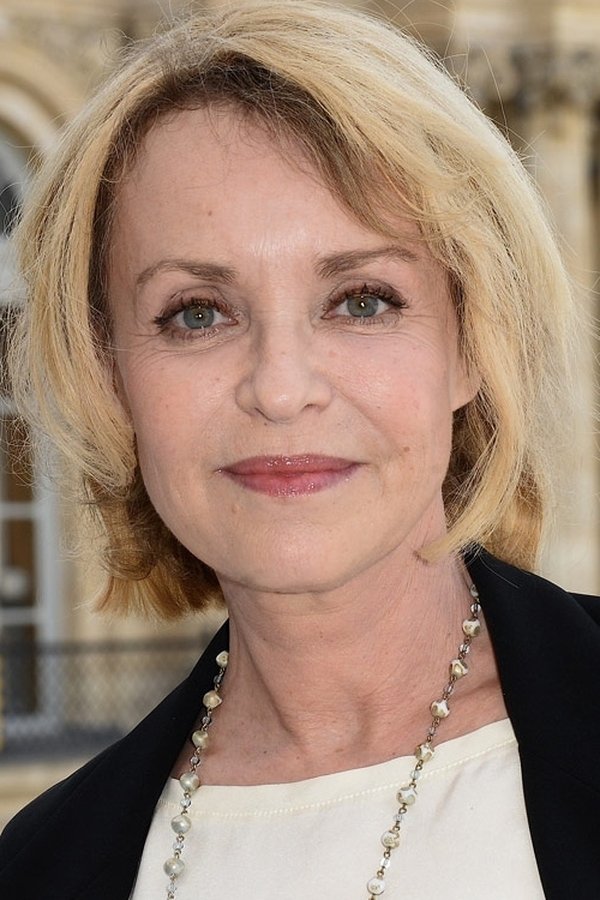
Fanny Cottençon
Hélène
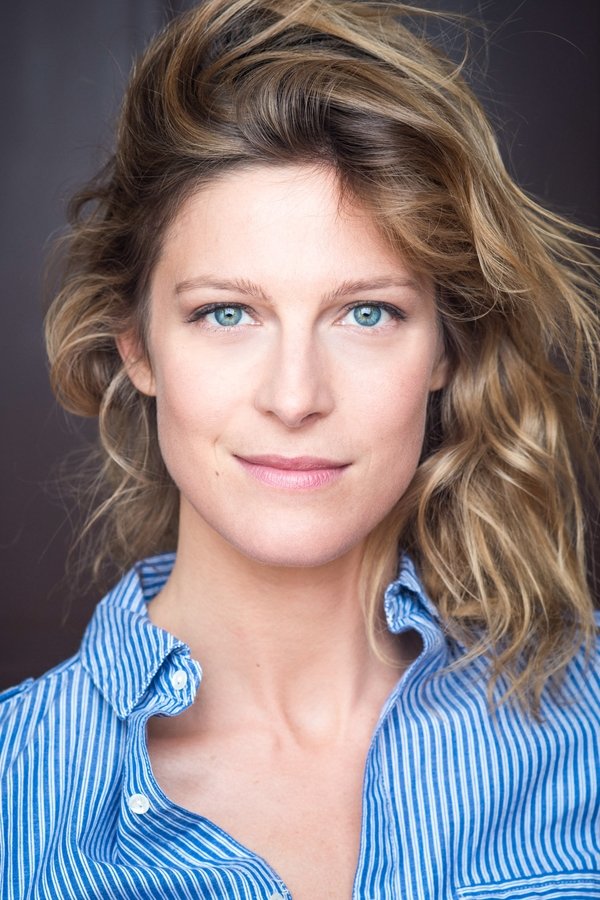
Alexia Barlier
Magda, painter's pupil
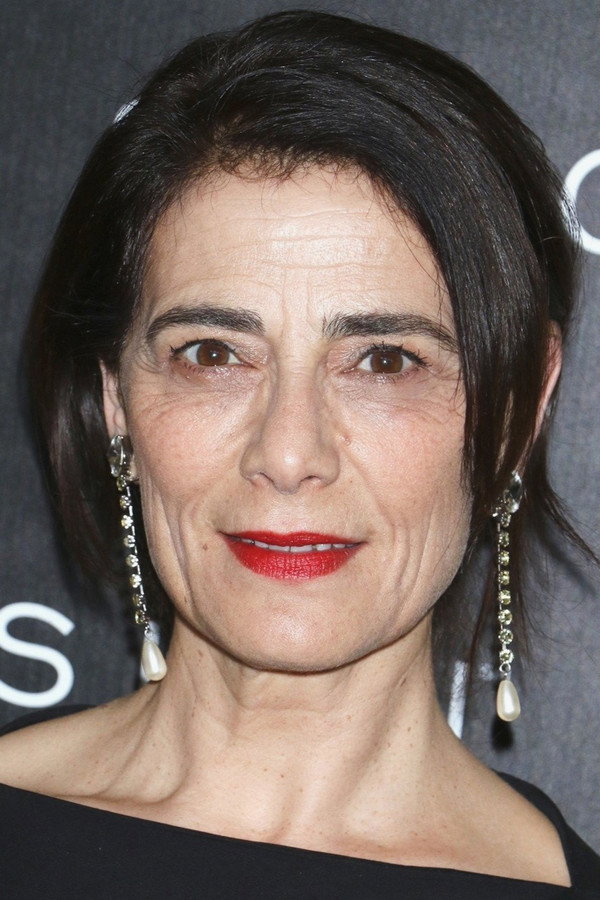
Hiam Abbass
The gardener's wife

Élodie Navarre
Carole, painter's daughter

Roger Van Hool
Tony, another painter
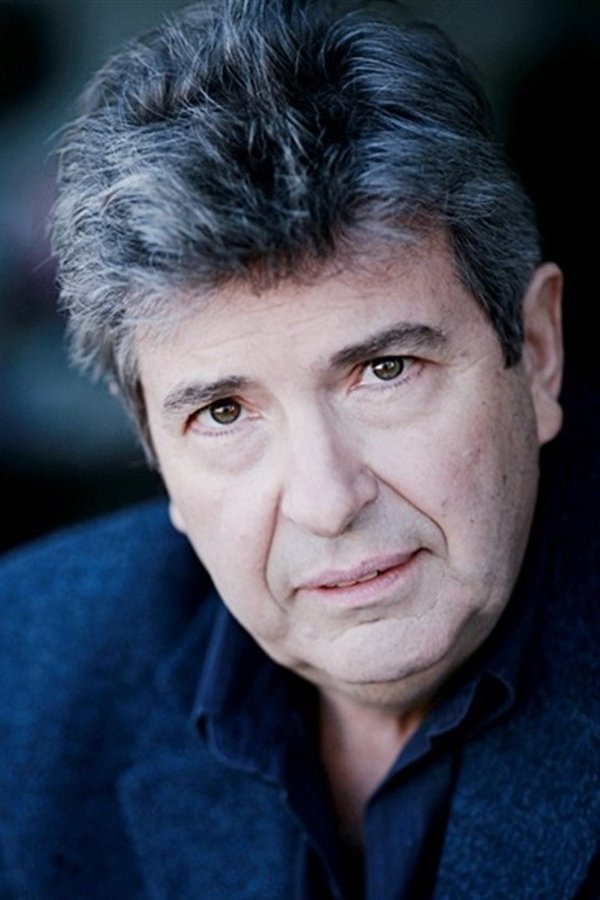
Michel Lagueyrie
René, painting equipment dealer
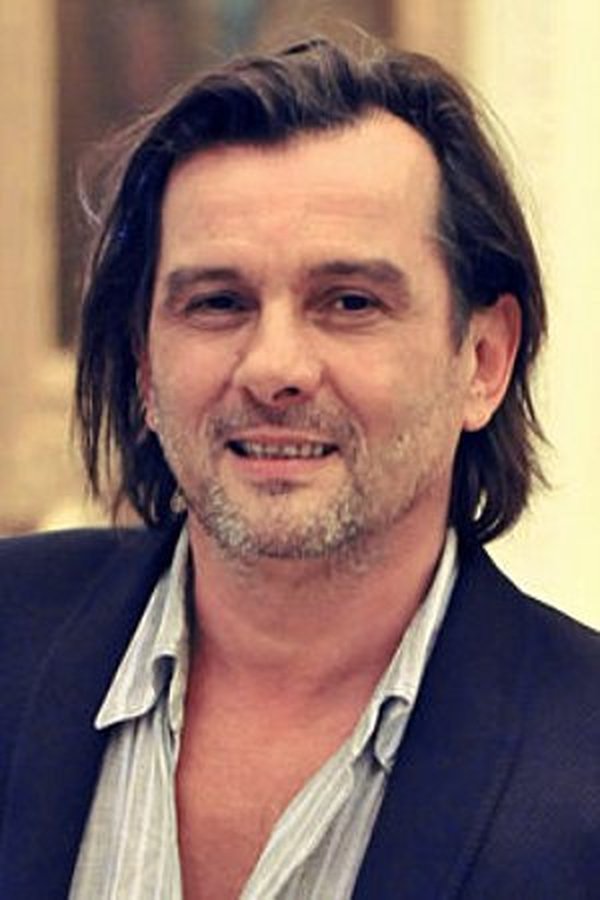
Christian Schiaretti
Charles, future husband of Carole
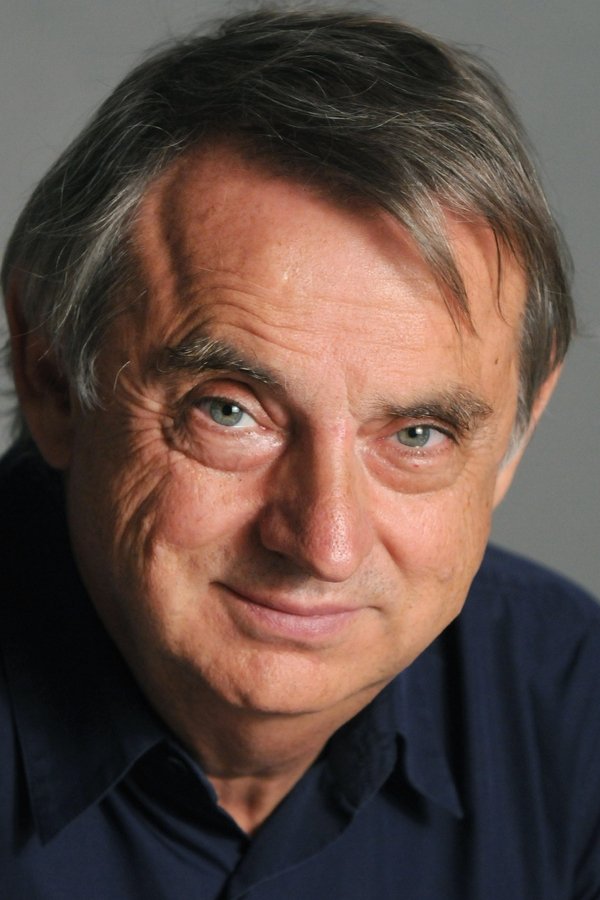
Jean-Claude Bolle-Reddat
The mayor
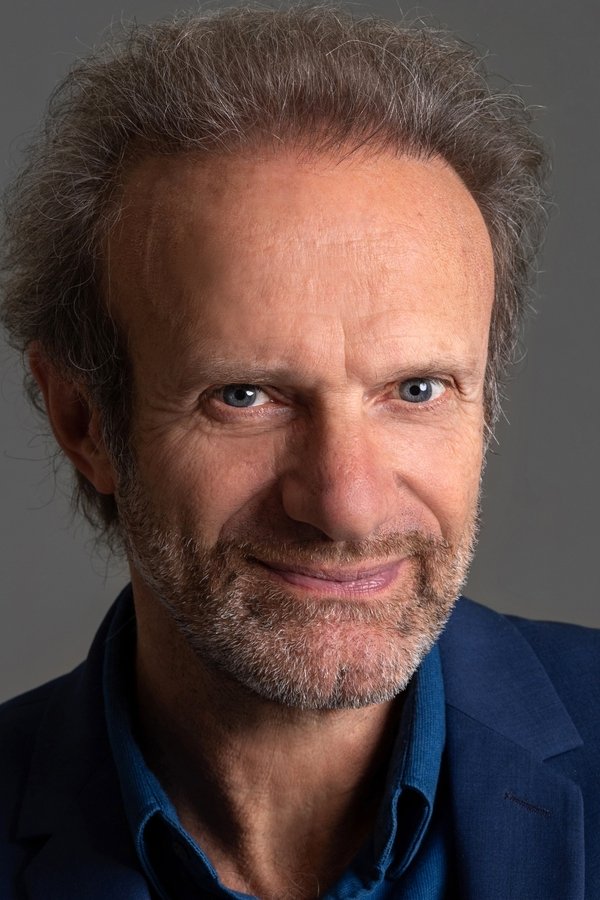
Bernard Crombey
Durieux, painter's friend
Disclosure Day asks us to question humanity's role in the universe but falls victim to the same assumptions of centrality.
The trainwreck is hot but tame.
Slumber Party Massacre is a gory film with just enough commentary on sexist excuses, the validity of women's voices, and the inherent feminism of the slasher.
If you mix religious rituals with dark mythology, the result will be effective, and the story powerful in 90% of the cases. That is exactly what happens at the beginning of The Vigil.
Its predictability shouldn’t distract from the enjoyment that the pure cinematic imagination behind the camera elicits. It is a movie of crises both moral and mortal, oozing with CGI, and thoroughly enjoyable.
Juneteenth is a day to commemorate the emancipation of enslaved people in the United States on June 19th, 1865. We did it! Everyone is free! Everyone is equal! End of story, right?