
Writing Great Villains: Why They Shouldn't Be Sympathetic
Writing great villains is about striking a balance between charming and evil, so we love them but also love to see them lose.
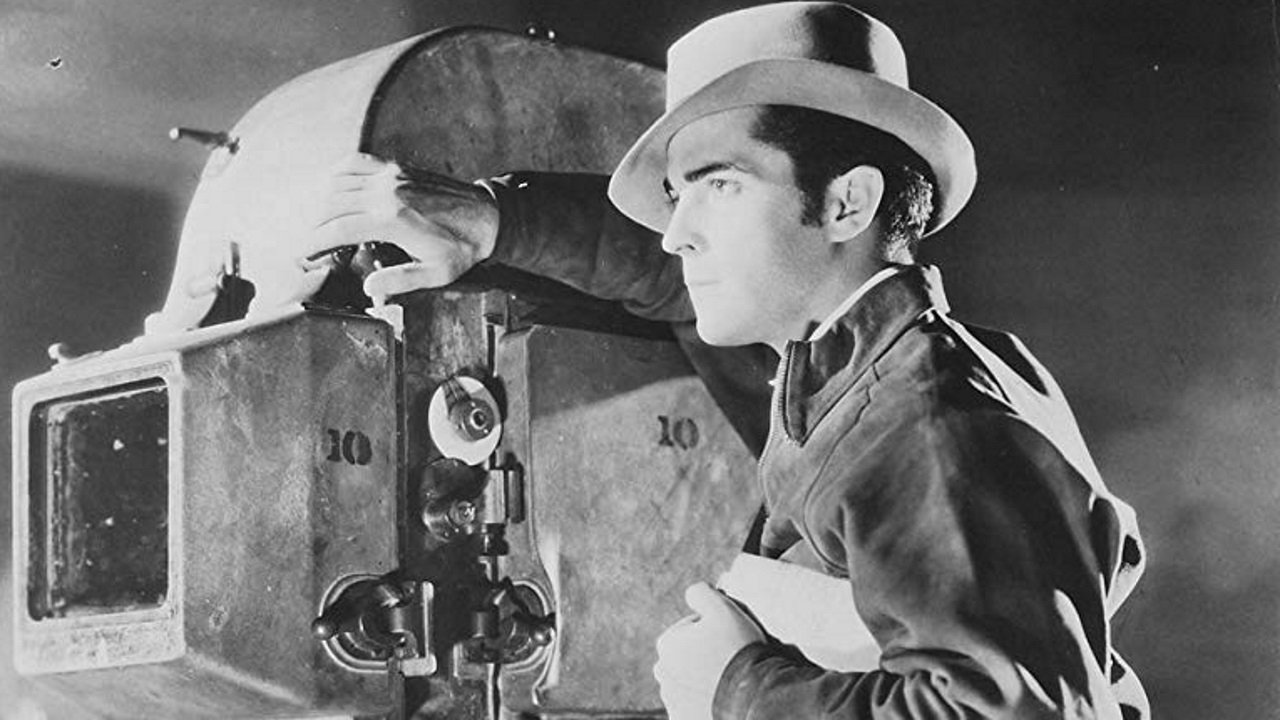
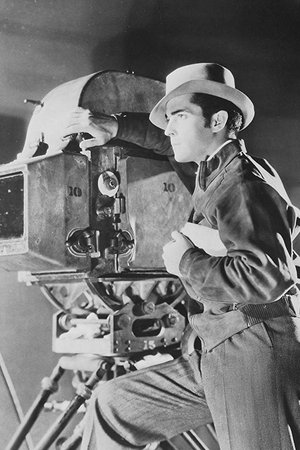


In 1935, former Hollywood silent film star Ramón Novarro (of Durango, Mexico) joined the ranks of adventurous Spanish-speaking, risk-taking producers by writing, directing and producing through his R.N.S. Productions this romantic comedy set in Los Angeles. The film, shot in collaboration with members of his extensive family—brothers Antonio (assistant director) and Eduardo Samaniego (art director), sister Carmen Samaniego (actress), and uncle Ramón Guerrero (actor)—centers on the romance of the rich Rosalía (Luana Alcañiz) and the poor Alberto, a swimmer played by real life Argentinian swimmer José A. Caraballo, who, like the character in the film, had competed in the 1932 Los Angeles Summer Olympic Games.
Writing great villains is about striking a balance between charming and evil, so we love them but also love to see them lose.
After We Collided is a sequel to last year’s After, which itself was based on Anna Todd’s 2014 novel of the same name, and which was originally published as a Harry Styles-centric fan-fiction on WattPad (a similar path as E.L. James’ Fifty Shades of Grey series).
While this film thinks that it is diagnosing the cause, it is merely diagnosing a symptom instead.
Steven Spielberg's West Side Story (2021) improves on the original's terrible representation, poorly written romance, and more. --> check out reviews & film summary
Horse racing is a very difficult sport and challenge, especially for a young woman like Michelle Payne.
The external threat invaded the domestic environment at the most valuable moment: grieving.