“The Boys in the Band”
With a cast of exceptional and exclusively openly gay actors, "Boys In The Band" takes on themes of homophobia, racism, vanity, and substance abuse.
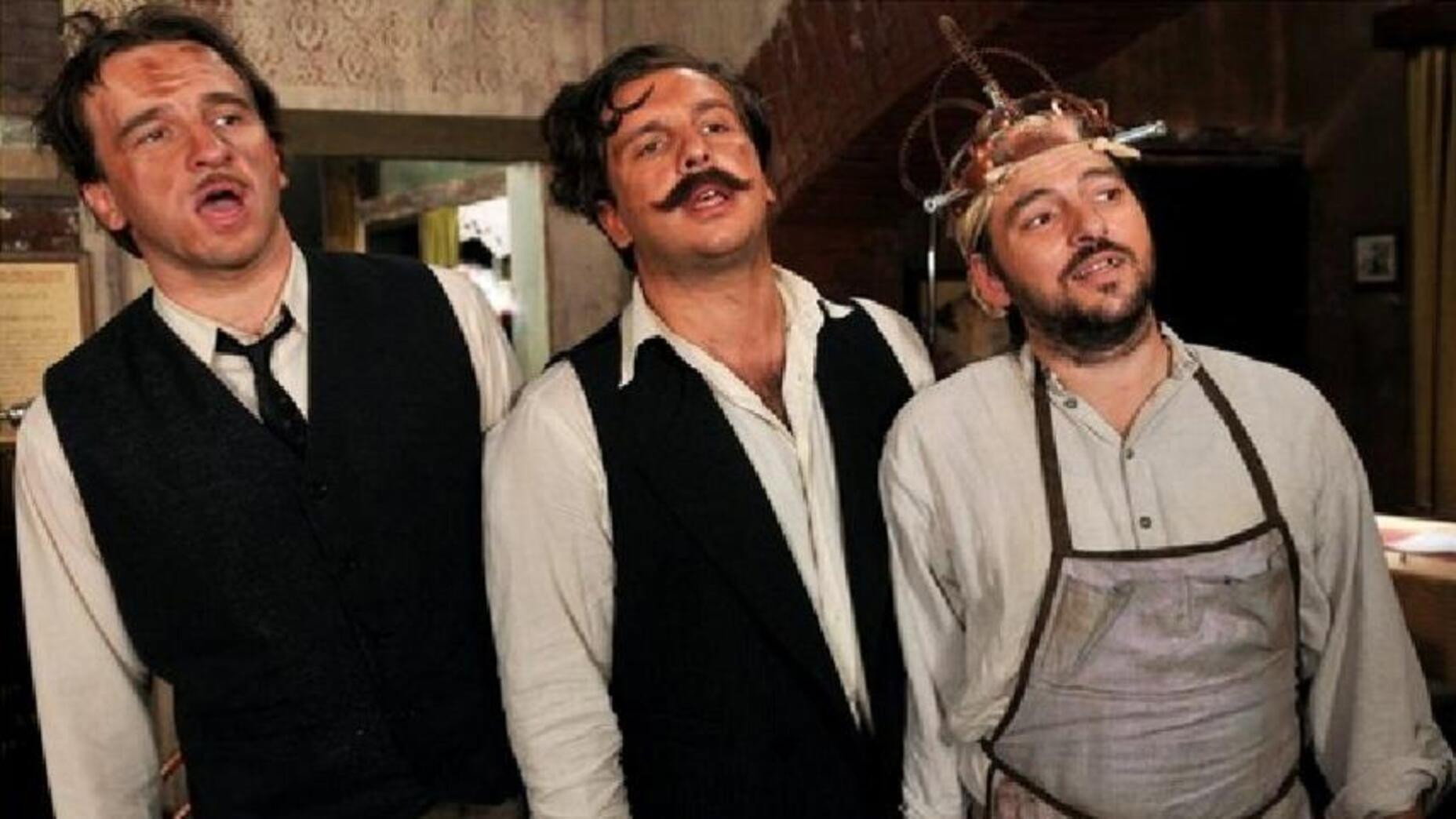
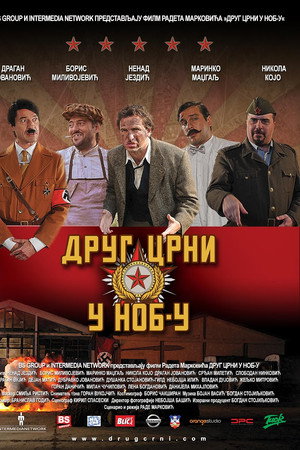


Set in April of the turmoil that is the year 1941. The Germans have occupied Yugoslavia and its capital Belgrade. Adolf Hitler is again drawing the new borders of Europe. Remains of Belgrade are filled with chaos, despair, black markets, famine and poverty. The Serbian people are broken up into national traitors, servants of the German occupants, chetniks, communists etc. That is the setting where our well-known characters find themselves. Our hero is Zivota Grujic – Comrade Black, the descendant of the notorious Black Gruya. Just as cunning and witty as his predecessor, Comrade Black endeavors to make use of every situation he finds himself in. Ideal opportunities open up when against his own will, he is forced to cooperate with all the present influential heads of Europe.

Rade Marković
Director


Nenad Jezdić
Života Grujić - Drug Crni

Boris Milivojević
Brale Kalabić

Marinko Madžgalj
Veselin Čegovic Če / Drugarica Marija
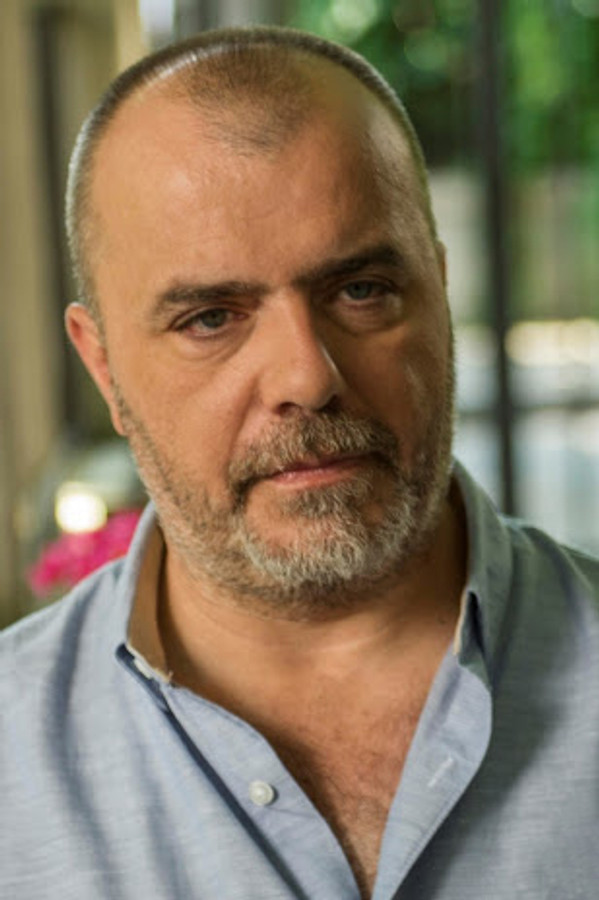
Nikola Kojo
Drug Tetak

Dragan Jovanović
James Bold / Muftija / Adolf Hitler

Dušanka Stojanović Glid
Družilka Doktorović

Dubravko Jovanović
Sekula / Vojvoda Draško / Partizan Ramo / Maks
Dejan Matić
Četnik Paun / Agent Derižabić / Majstor Šoća / Partizan Kosmajac / Jozef

Slobodan 'Boda' Ninković
Drug Uča / Fon Štrumtugl

Srđan Miletić
Milić Batinić / Pukovnik Berger

Rene Bitorajac
Hrvoje Budak
With a cast of exceptional and exclusively openly gay actors, "Boys In The Band" takes on themes of homophobia, racism, vanity, and substance abuse.
Him is visually stunning—all concrete cathedrals and bone-rattling impact shots that look like a nightmare highlight reel. Marlon Wayans is magnetic as this legendary quarterback who's basically selling salvation with a smile that never quite reaches his eyes. But the story keeps running in circles: more tests, more cryptic pep talks, more ritualistic drills. The sports-as-religion metaphor beats you over the head when subtlety would've been more effective. The middle drags, and that finale chooses spectacle over substance. It's undeniably stylish, but left me cold. Also worth noting: despite the Monkeypaw connection, this isn't actually a Jordan Peele film—he didn't write or direct.
I didn’t love Expecting Amy, the mini-series following Amy Schumer’s pregnancy, but it brought up a lot of great unspoken side-effects of working and growing a human in America.
A sweet, singalong distraction with several positive messages.
“Eleanor The Great” is a feel-good story that explores how we cope with grief and loss while educating us about the horrors of the Holocaust.
Alongside A Drowning Man, I Signed The Petition, 3 Logical Exits, and A World Not Ours, A Man Returned continues to paint a realistic portrait of the Refugee Crisis that eschews the Western gaze and stereotype. These are real portraits painted by a director with lived experience, cultural connection and an amazing eye for visuals.