Incluvie – Better diversity in movies.
Identity in film with Incluvie stamps, scores, reviews.

Incluvie – Better diversity in movies.
Explore identity in film with Incluvie stamps, scores, reviews, and insights.

trailer banner
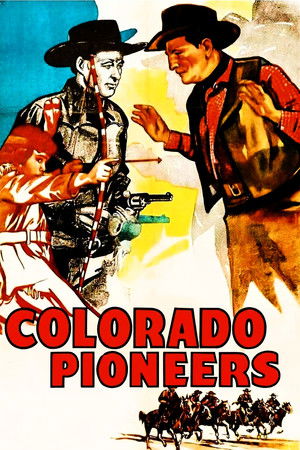
Colorado Pioneers poster

Colorado Pioneers (1945)

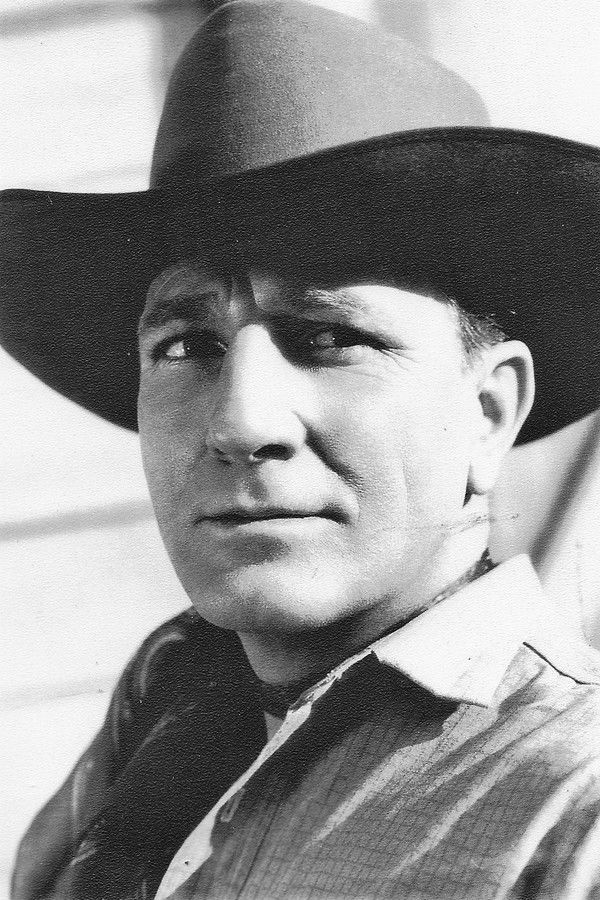
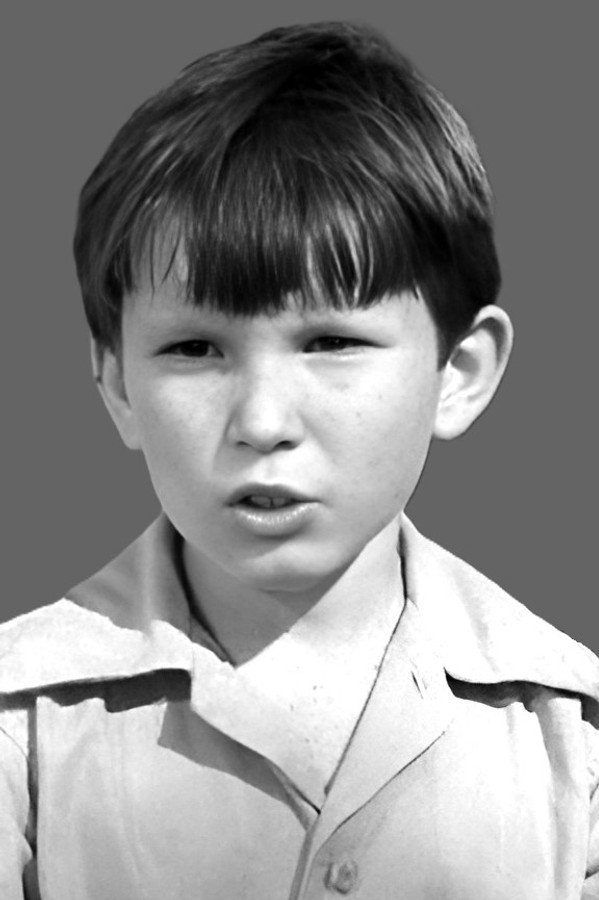
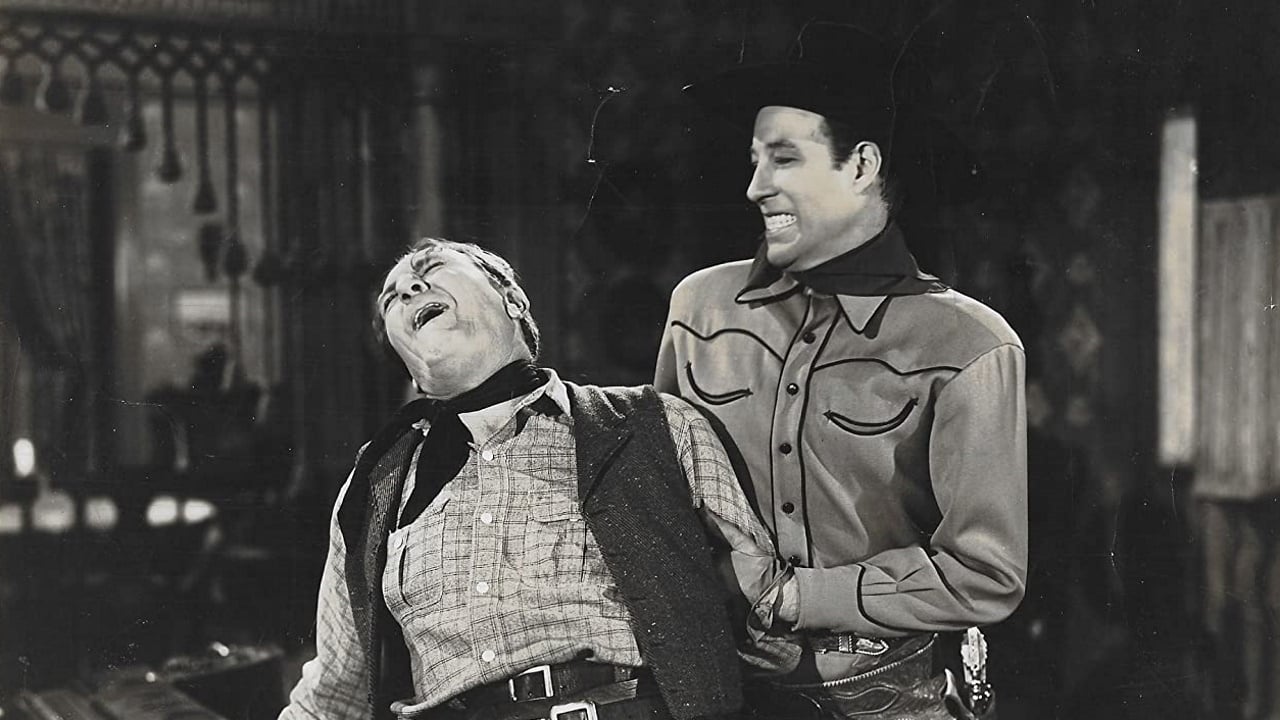
An interesting entry in Republic Pictures' long-running "Red Ryder" B-Western series, this film is not about hardy settlers braving the Colorado winters, as the title would suggest. Instead it's a sort of Reform School Western about a couple of wayward Chicago boys (Billy Cummings and Freddie Chapman) taken in by Ryder's indomitable aunt, "The Duchess" (Alice Fleming.) The boys escaped their very own "Fagin," Bull Reagan (Roy Barcroft), and were given a second chance on the lady's Western ranch. Unfortunately, Reagan returns to do a bit of cattle rustling, once again luring the boys into becoming his accomplices.
- / 5
PopScore
Representation

Pictures and Videos


Incluvie Gala

Movie Information


An interesting entry in Republic Pictures' long-running "Red Ryder" B-Western series, this film is not about hardy settlers braving the Colorado winters, as the title would suggest. Instead it's a sort of Reform School Western about a couple of wayward Chicago boys (Billy Cummings and Freddie Chapman) taken in by Ryder's indomitable aunt, "The Duchess" (Alice Fleming.) The boys escaped their very own "Fagin," Bull Reagan (Roy Barcroft), and were given a second chance on the lady's Western ranch. Unfortunately, Reagan returns to do a bit of cattle rustling, once again luring the boys into becoming his accomplices.

Rating:
Genre:Western
Directed By:R.G. Springsteen
Written By:Earle Snell
In Theaters:11/14/1945
Box Office:

Runtime:57 minutes
Studio:Republic Pictures

Articles You May Like


The Rise of a Kindhearted Comedy Hero: The Anti-Toxic Masculinity Message of Brendan Fraser Films

Throughout Brendan Fraser’s career, he has played a plethora of unique, layered characters who explore the importance of not being afraid to display your emotions, something that is often seen to not be a masculine trait. This idea of regulating emotion and what traits men are able to possess creates a toxic atmosphere for men who are often told they should not cry or represent their emotions in any physical way. These characters represent that men can be joyful, emotionally conscious, and sensitive, while also representing their masculine identity instead of painting those qualities as fighting against their masculinity.
Amanda Mazzillo