What Mean Girls Says About Diversity
Mean Girls not only centers around what goes on in high school, but also shows viewers and fans the diversity among people, especially teenagers, within today's society.
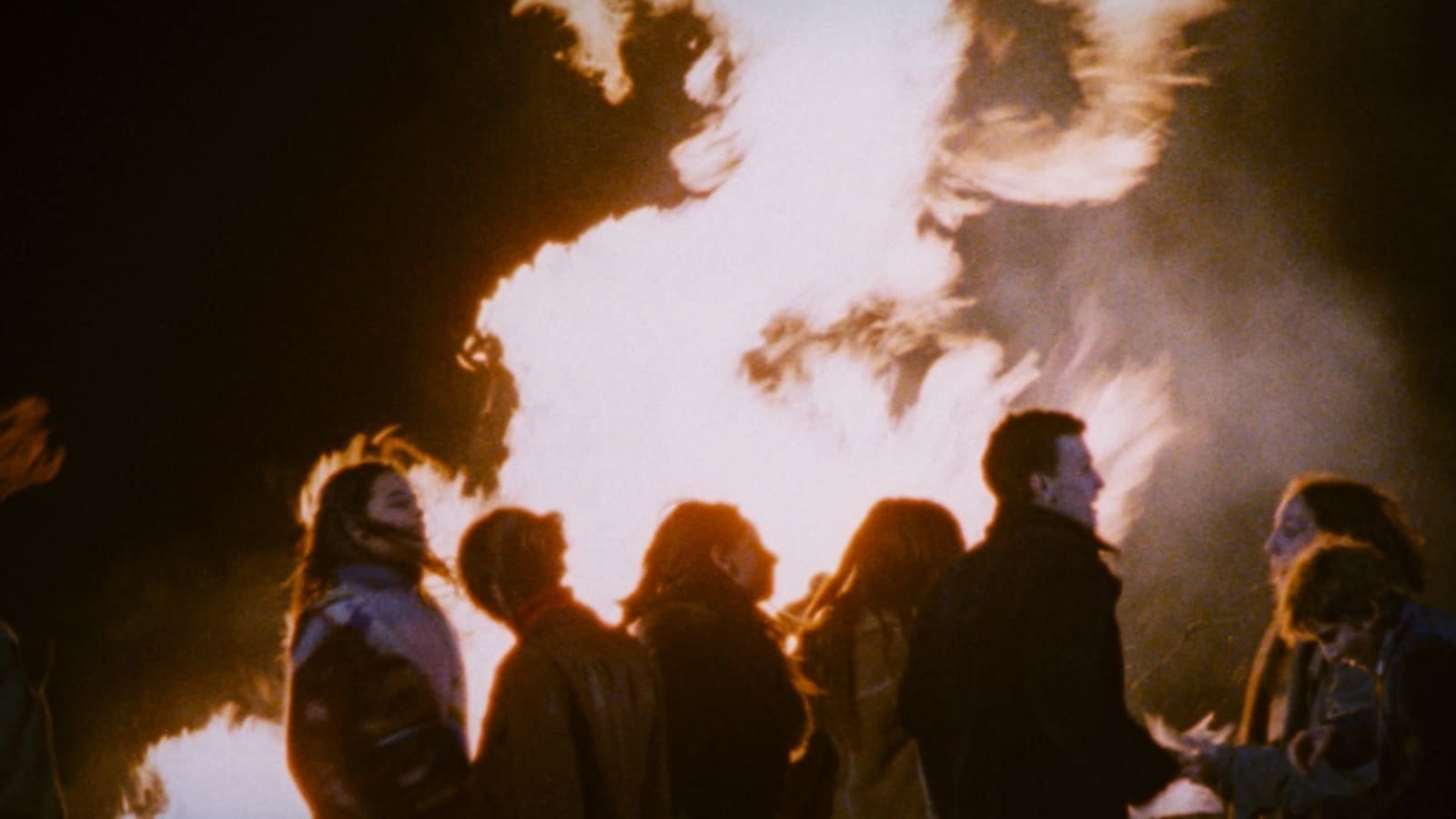



An outer suburb of Paris, 1972. Gilles and Christine, both sixteen, are classmates and lovers who have become frustrated with the aloofness of their families and the general monotony of their lives. When the pair are caught shoplifting, Christine's father ships her off to a home for emotionally disturbed children, temporarily putting space between her and Gilles. Luckily for them, though, she escapes and the couple contemplate running away together.

Olivier Assayas
Director


Virginie Ledoyen
Christine

Cyprien Fouquet
Gilles

Szabó László
Le père de Gilles

Jean-Pierre Darroussin
L'inspecteur

Dominique Faysse
La mère de Christine

Jackie Berroyer
Le père de Christine

Smaïl Mekki
Mourad

Jean-Christophe Bouvet
Le professeur
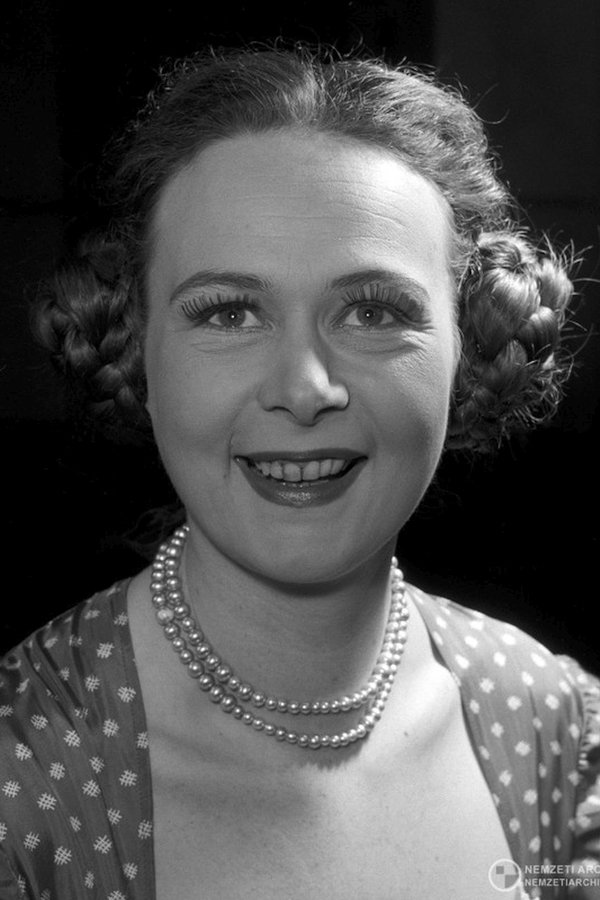
Ilona Györi
Marie
Renée Amzallag
L'infirmière
Mathieu Mardoukhaev
Frère de Gilles
Mean Girls not only centers around what goes on in high school, but also shows viewers and fans the diversity among people, especially teenagers, within today's society.
Cord Jefferson's hilarious and thought-provoking film continues a long-standing cinematic tradition, expanding the conversation around the impact of systemic racism in today's media.
A brief look at two Barry Jenkins films that have established him as one of the greatest filmmakers of our time.
The death of Grace's father brings challenges as the family tries to preserve their ranch.
A refreshing twist is that all the kids’ powers are…kind of useless. There’s a kid who can only move in slow motion, a kid who has every power in the world but can only use them randomly, and our main character Missy who has no powers at all. The thesis of the film seems to be that it doesn’t matter what kind of powers you have, its the way you use them, which is good for the warm and fuzzies.
We, the Jane Austen aficionados, are suckers for everything and anything under the sun that’s remotely related to her and her world. That’s because we are so drawn to her unique style of fiction, romance, and social commentary, we take any allusion to her influence as a hint to what to expect when we start watching a movie or reading a book.