
Incluvie – Better diversity in movies.
Identity in film with Incluvie stamps, scores, reviews.

Incluvie – Better diversity in movies.
Explore identity in film with Incluvie stamps, scores, reviews, and insights.

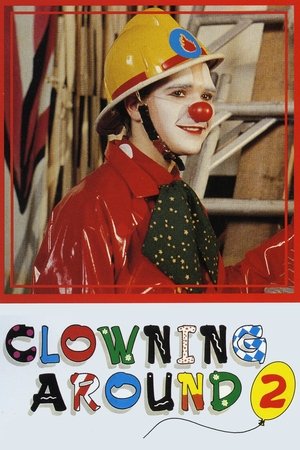
Clowning Around 2 poster

Clowning Around 2 

Sim, now a member of the Winter Circus in Paris, befriends Eve, another young clown. Drawn to an experimental style of clowning used by Circus Oz and Cirque du Soleil, the techniques get them both fired, but when Sim returns home to Australia, he finds that he is now the inheritor of a share in the Rathnow Circus.
- / 5
PopScore
Representation

Pictures and Videos


Incluvie Gala

Movie Information


Sim, now a member of the Winter Circus in Paris, befriends Eve, another young clown. Drawn to an experimental style of clowning used by Circus Oz and Cirque du Soleil, the techniques get them both fired, but when Sim returns home to Australia, he finds that he is now the inheritor of a share in the Rathnow Circus.

Rating:
Genre:Drama, Family, TV Movie
Directed By:George Whaley
Written By:John Coulter, David Rapsey, Tony Cavanaugh, Ranald Allan
In Theaters:
Box Office:

Runtime:

Studio:Barron Films

Articles You May Like


"She’s Gotta Have It” was Ahead of the Curve in Portrayal of Female Sexuality

In Spike Lee’s She’s Gotta Have It (1986), we follow the love life of powerful female protagonist Nola Darling (Tracy Camilla Johns) and explore the relationship dynamics she has with her partners. She sees three men simultaneously: Greer Childs, (John Canada Terrell) Mars Blackmon (Spike Lee), and Jamie Overstreet (Tommy Redmond Hicks). Though an 80’s film, She’s Gotta Have It is surprisingly progressive with its themes of female sexuality, although at some points in the film it is handled clumsily. Overall Nola is an incredibly compelling character especially for modern women, as we as a society acknowledge female sensuality more and more without the negative stigma.

Andrea Amoroso

Short Film Review “With Arms Raised” A car ride, conversation, what we’ve experienced, personal judgements, and what we resort to is explored with both enigmatic then striking impact

“And I think to myself….what a wonderful world”. Louis Armstrong sang about this notion via his classic 1967 song, an ode to witnessing elements of our life that should be but some reminders of exactly what that concluding line of each verse indicates. Now we see our contemporary realities and, just being honest, it makes a sentiment like this seem SO overtly far away….perhaps even impossible….to accept or believe could be. It sounds harsh, but again, so much of what is occurring speaks not to beauty, but bedlam.

Kirk Fernwood