








Looking Behind the 'Z-O-M-B-I-E-S' Trilogy
Our trilogy at Seabrook High School starts with a rivalry between zombies and humans who eventually come together.
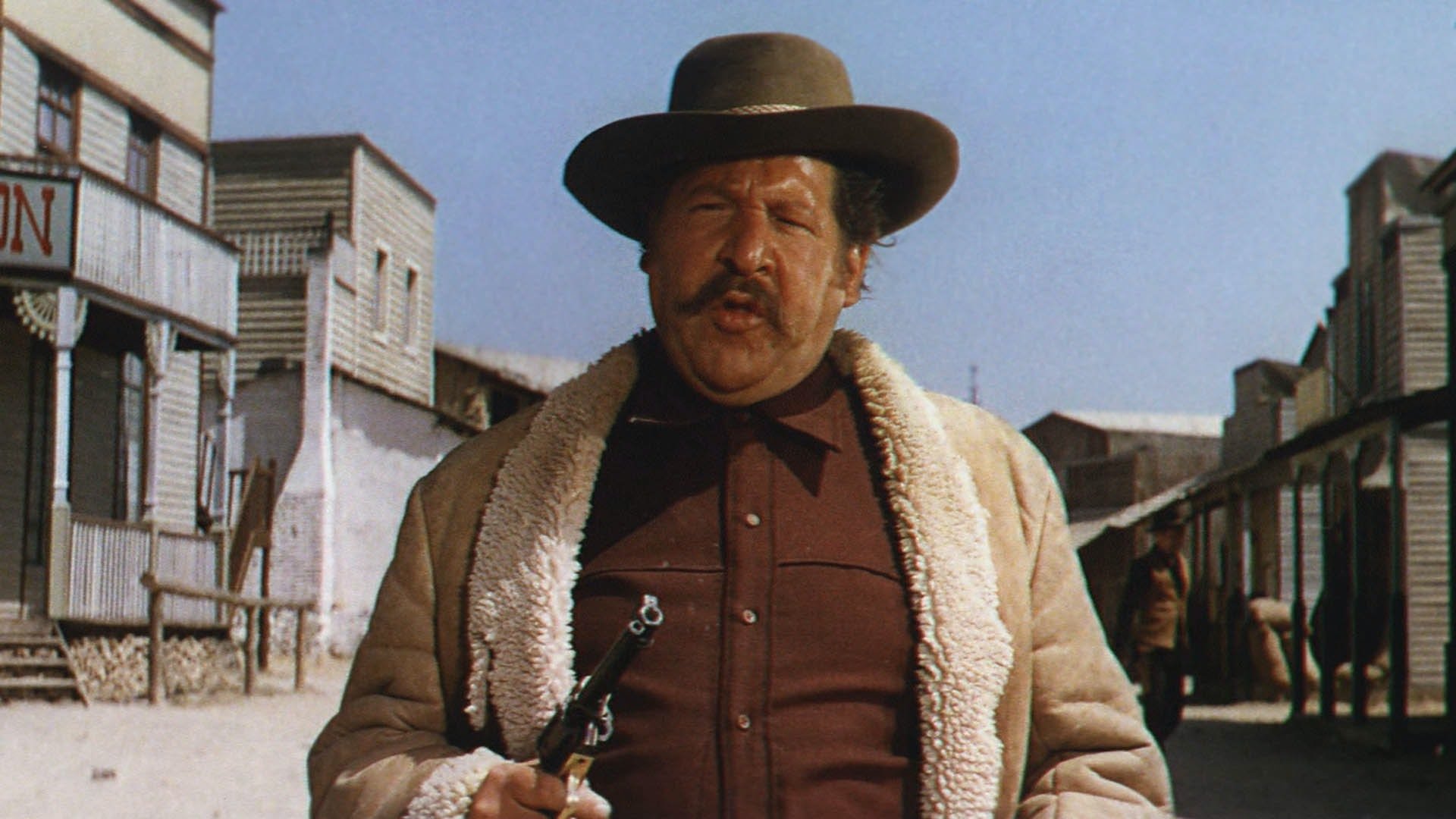
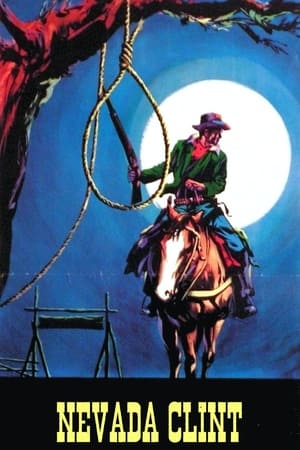


Clint Harrison is a gunfighter who has been on the run from a vengeful family for years. He returns to his home town to discover that his wife has taken his son and fled north to escape his unsavory reputations. Following her in an attempt to make amends, he rides into the middle of a land-grab war between a group of desperate farmers and an unscrupulous rancher named Shannon and his brutal foreman. Promising his wife that he won't use this gun, Clint must stand by as Shannon's men eliminate the farmer's in a series of well-staged set pieces calculated to make the audience anticipate the inevitable moment when Clint is forced to turn his guns and settle accounts.
Our trilogy at Seabrook High School starts with a rivalry between zombies and humans who eventually come together.
America is the crux of the storyline: she is the only person in existence with the power to jump between universes. As central as America is to the Multiverse of Madness story, she somehow didn’t get that much to do.
The Mandolorian has a more nuanced and commentative take on masculinity that refrains from praising the toxic traits associated with the social category, while also showing a more positive and transformative representation of masculine characters.
When the retelling of the Cinderella fairy tale and a holiday spirit come together, viewers learn about class issues as well as perseverance despite setbacks.
The trainwreck is hot but tame.
By undermining the appeal and credibility of black characters, the show compromises the very idea of diversity and representation it sets to promote.