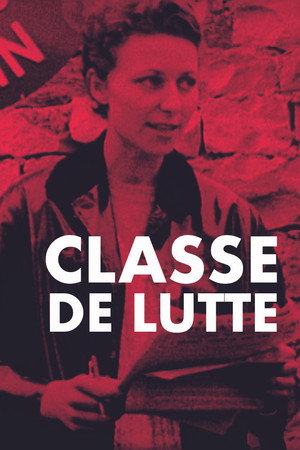
Class of Struggle
A follow-up to Be Seeing You (À bientôt, j’espère), this collective work—initiated by Chris Marker and the Medvedkin Group—was made in collaboration with workers at the Yema Watch Factory in Besançon. It follows a female worker who becomes active in labor organizing, depicting everyday struggles and the growing consciousness within the French labor movement.

- / 5
PopScore
Representation
Pictures and Videos

Movie Information
A follow-up to Be Seeing You (À bientôt, j’espère), this collective work—initiated by Chris Marker and the Medvedkin Group—was made in collaboration with workers at the Yema Watch Factory in Besançon. It follows a female worker who becomes active in labor organizing, depicting everyday struggles and the growing consciousness within the French labor movement.
Rating:
Genre:Documentary
Written By:
In Theaters:
Box Office:
Runtime:37 minutes
Studio:Groupe Medvekine, Societe pour le Lancement des Oeuvres Nouvelles (SLON)
Cast

Articles You May Like
Honey Don’t!: A Messy Queer but Mischievous Comedy
Honey Don't! is a chaotic queer noir that's part detective story, part midnight movie madness. Margaret Qualley is fantastic as the wise-cracking private eye Honey, with Aubrey Plaza and Chris Evans adding their own dry humor to the mix. The mystery itself is pretty loose, but the film makes up for it with crackling sexual tension, weird side characters, and razor-sharp dialogue. It's messy and uneven, but in the best possible way.
The Naked Gun: New Squad on Fire!
Naked Gun: The New Police Squad Team delivers exactly what fans want: relentless, expertly crafted chaos that honors the original while cranking everything up to eleven. The gags fire at machine-gun pace—sight jokes layered with wordplay and physical comedy so outrageous it borders on art. It's gleefully self-aware without being cynical, silly without being stupid, and maintains that perfect ZAZ-style balance of treating absolute absurdity with complete seriousness. The film knows exactly what it is: a comedy missile designed for maximum laughs, and it hits its target with surgical precision. Pure, unhinged entertainment that proves spoof comedy still has plenty of life left in it.
It’s ‘The Little Things’ That Bore You
Hoppers: A Lesson on Teamwork and Big Emotions
Hoppers is a fun ride with a deep message underneath. In true Pixar fashion, Hoppers explores the complexity of emotions and learning to be still in a world that demands fast progress. Through the main character Mabel, we are reminded what it is like to let ourselves feel big emotions. But also how not to be controlled by them.
A Lesson in Self-Fulfillment: An Incluvie Film Festival Review of ‘My Only Wish’
Complex relationships between mothers and daughters are far from a new concept, whether the strain comes from abandonment, beliefs, or trauma. In My Only Wish, an Incluvie Film Festival submission, Brenda Gutierrez’s take on her character’s maternal divide comes in the form of abandonment.