









A Haunting Portrayal of Motherhood in "The Lost Daughter"
'The Lost Daughter' doesn't paint over the choices Leda and Nina make as mothers as right or wrong but examines the messy in-between.
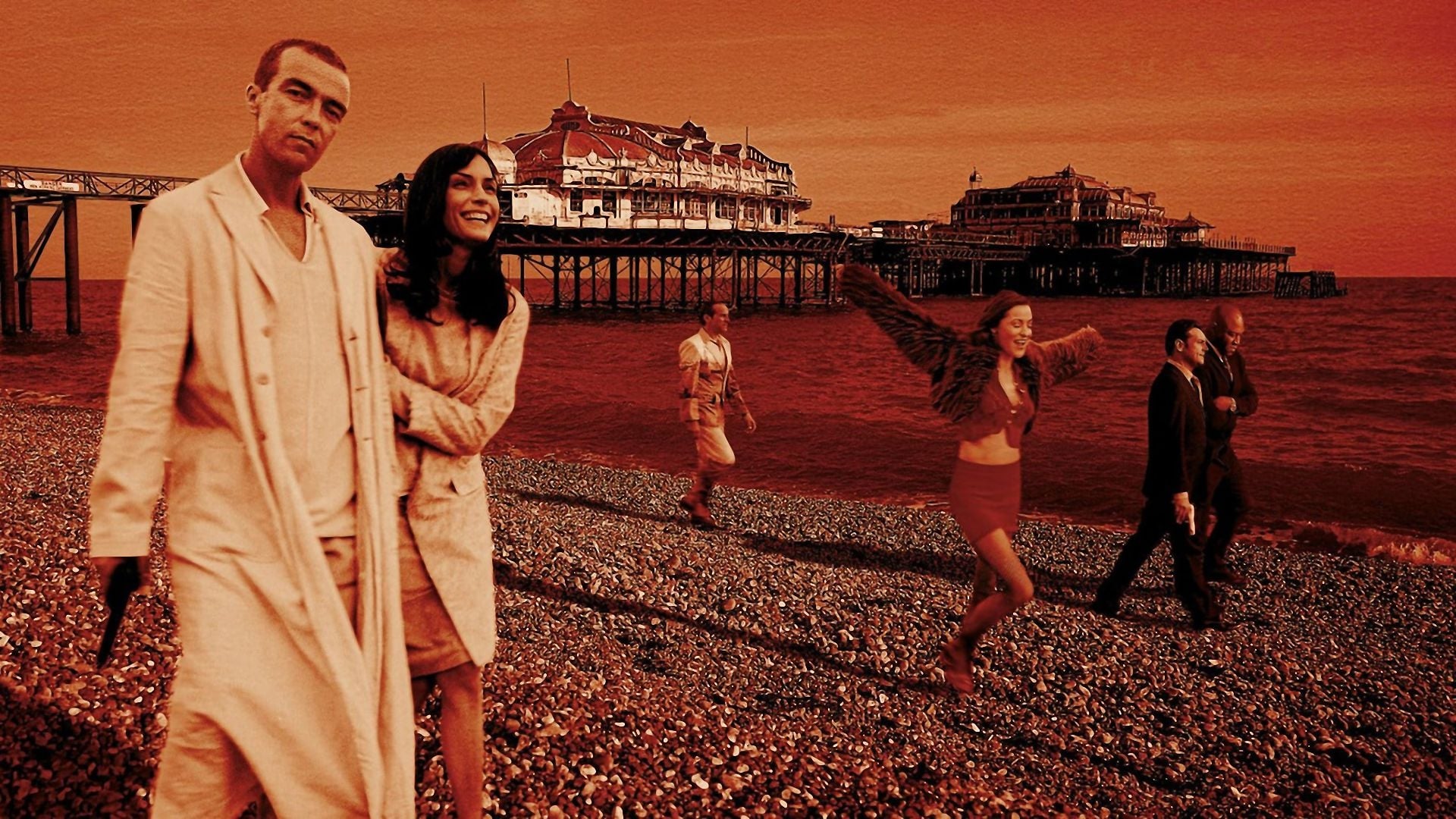
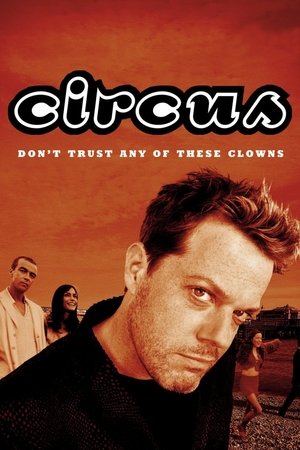


Bruno, a sadistic criminal, wants clever con man Leo out of the way. Leo and his equally clever wife, Lily, are up to something. So too is Julius: he hires Leo to kill Gloria, Julius's wife. Leo does it, but then Julius shows up with the murder on tape, saying Gloria isn't his wife - it's blackmail. Leo's bookie, Troy, is also closing in, wanting to be paid. Bruno and Lily as well as Bruno and Julius have their own scams running, and Leo is their target. Maybe Leo can get Troy off his back, avoid Moose (Bruno's huge enforcer), send Gloria's corpse out of England, turn the tables on Bruno's murderous brother Caspar, and outfox Lily. Or is Lily his fox? It's a three-ring circus.
'The Lost Daughter' doesn't paint over the choices Leda and Nina make as mothers as right or wrong but examines the messy in-between.
“Candyman ain't a 'he.’ Candyman is the whole damn hive." Candyman represents all Black victims of white supremacy, and this art form narratively conveys it in a succinct, adulatory way, the history of which is rare to find.
Praising Black representation and condemning the power structures that suppress it, a mother delivers an impassioned speech to her distant son.
'Airplane Mode' is a young adult movie that is about a woman who learns to step away from her smartphone, and from social media.
Fire Island is the more inclusive film of the two with the bi-phobic definition of pansexuality in The Thing About Harry and its obvious lack of colour on screen
Animation as a medium of storytelling can be thought to be open to all ages and as I hope my reading will reveal, 'Nimona' could be interpreted as a transgender story.