



“Madeline’s Madeline” and the Exploitation of Actresses
This emotional, frightening, and dreamlike story examines the ways actresses are exploited in the name of art.
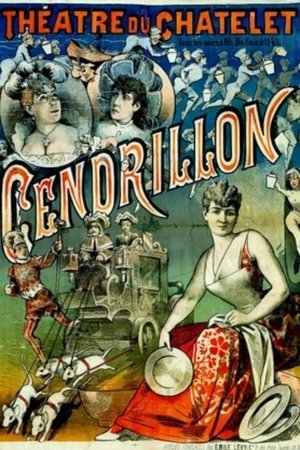


Georges Méliès's first attempt at Cinderella was in 1899. That film was extraordinary then for having multiple scenes and a semblance of a narrative; additionally, the use of dissolves as transitions in it influenced other filmmakers for years to do the same. Méliès was the cinema world's preeminent leader then. By 1912, however, that was no longer the case; frankly, as evidenced by this feature, his style had become dated. Moreover, Méliès had begun to adopt techniques from other filmmakers, such as direct cuts instead of dissolves, and there's even a match on action shot during the slipper trying-on scene.
This emotional, frightening, and dreamlike story examines the ways actresses are exploited in the name of art.
Marvel’s animated show What If...? ended last week, so let’s go back and look at all of the different universes shown and rank each episode from worst to best!
It only seems to prove that when the company had their backs against the wall and needed an all pleasing, generic movie that had to make up for The Last Jedi, they chose to sacrifice almost everything that made their main protagonist interesting and that made her stand out as the strong female character that a generation of young movie goers was supposed to look up to. Instead, we were left with a Rey that was so much less than she could have been. And I guess that’s the real story of Rey and The Rise of Skywalker; they could have been so much more, but they were just more of the same.
Summit Station, the longest running lesbian bar in Ohio, was one of the places that made lesbian community possible.
Treated like a granter of wishes for those earning out of retelling the same tragedy, Marilyn looks like she's caged in different stages of trauma for us to stare at, instead of someone we’ve finally allowed to rest in peace.
"Up" features one of Pixar's few Asian-American heroes and explores the institutionalized hardships elderly people face. Also, Dug is a good boy.